Civic Education Study Program Bachelor
The study program of Pacasila Education and Citizenship (PPKn) is one of the oldest study programs within the Indonesian University of Education (UPI) and the Faculty of Social Science Education (FPIPS). The PPKn study program was established almost simultaneously with the founding of the Teacher Education College (PTPG), which is the precursor to the Bandung Institute of Teacher Training and Education (IKIP), now UPI. PTPG was established on October 20, 1954, while the PPKn study program, which was then called the "Department of Economics and Law," was founded on November 10, 1954. The establishment of this department was based on the decision of the Minister of Education and Culture of the Republic of Indonesia, number 35742, dated September 1, 1954, regarding the "Establishment of PTPG," which was founded on October 20, 1954, and was located in the Isola Building, specifically in the northern area of Bandung.
As one of the oldest PPKn study programs, it has successfully produced the first graduates from IKIP Bandung, who were also the first education graduates in Indonesia, namely Prof. HM. Numan Somantri, M.Sc., who later served as the Rector of IKIP Bandung for two terms from 1978 to 1987. In 1955, it changed to the "Department of Law," then in 1964 it changed again to the "Civic-Law Department," in 1970 it became the "Department of Pancasila and Law," and in 1982 it was renamed the "Department of Pancasila Moral Education and Citizenship (PMPKn)" until 2006. According to the decision of the UPI Academic Senate, the PMPKn Department was renamed the Citizenship Education Department, abbreviated as PKn, starting in early July 2007. From 2016 until now, it has been renamed Pancasila and Citizenship Education (PPKn).
In line with the advancements and developments in Science and Technology, as well as various government policies, particularly those related to state ideology, the name of the PPKn study program has undergone changes from period to period. In carrying out its academic duties, the PPKn study program develops its Vision, Mission, and Objectives.
To
become a pioneering and excellent study program in producing experts in
Citizenship Education who possess a sense of nationalism, love for the homeland
(patriotism), and adherence to Pancasila.
(1)
To organize a Bachelor's degree program in
Citizenship Education that focuses on mastering the fundamental knowledge and
concepts of citizenship, politics, law, economics, and statehood.
(2)
To conduct studies on Pancasila, the 1945
Constitution of the Republic of Indonesia (UUD NRI 1945), and the Unitary State
of the Republic of Indonesia (NKRI).(3)
To study Citizenship Education as an integrated
discipline, a synthetic discipline, or the education of disciplines and its
applications for skill development.
(4)
To build cooperation and networks for the
organization and development of the Bachelor's degree program in Citizenship
Education to enhance its role and growth.(5)
To conduct training, workshops, and consultation
services for Citizenship Education programs for the community.
Objectives:
- To produce prospective teachers of Pancasila and Citizenship Education who are patriotic and adhere to Pancasila, capable of solving issues related to citizenship education.
- To produce prospective authors of books and articles on Citizenship Education who are committed to the implementation of Pancasila and the 1945 Constitution of the Republic of Indonesia.
- To produce innovative entrepreneurial candidates in citizenship education that encompass academic, curricular, sociocultural, and governmental domains.
- To generate various forms of cooperation and networks for the organization and development of Citizenship Education.
- To meet community needs in the areas of leadership, management, training, workshops, consultation, and evaluation.
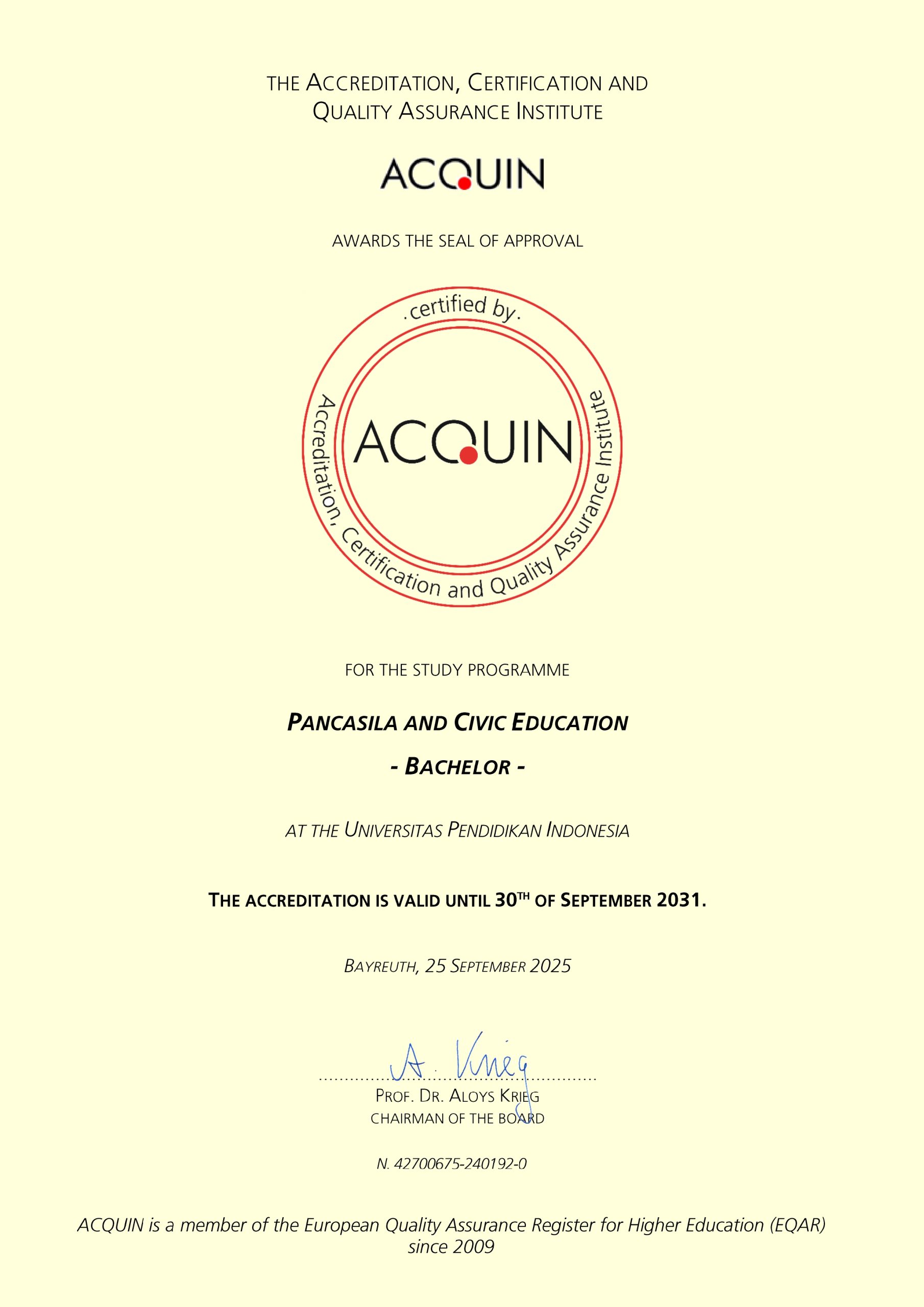
PPKn Study Program at the undergraduate level (S1) of UPI has been accredited by the National Accreditation Board for Higher Education (BAN PT) four times. The first accreditation was in 2000, with a grade of B. In 2006, BAN PT conducted a reaccreditation and awarded an A grade (376), indicating very good quality. In 2011, BAN PT again performed reaccreditation and maintained the A grade (376), also indicating very good quality for the S1 PPKn Study Program. (Number 016/BAN-PT/Ak-XIV/S1/VII/2011). The accreditation (fourth reaccreditation) by BAN PT in 2016 awarded a grade of A (375), which is considered very good, with the accreditation (Number 0940/SK/BAN-PT/Akred/S/VI/2016) The last accreditation by BAN PT in 2021 awarded an excellent grade of A with Accreditation (Number 8841/SK/BAN-PT/Ak-PPJ/S/VI/2021) This decision letter is valid until June 18, 2026. Additionally, the PPKn study program has received international accreditation AUN-QA Accreditation (Number AP761UPIDEC21) from January 10, 2022, to January 9, 2027.
|
National Accreditation |
International
Accreditation |
||
|
2011 |
2016 |
2021 |
2022
|
|
Rank
A Accrediting
Institution: BAN PT Decree
Number: 016/BAN-PT/Ak-XIV/S1/VII/2011 Date
of Issue: 28/07/2011 Expiration
Date: 28/07/2016 Sertifikat BAN PT 2011-2016 |
Rank A Accrediting
Institution: BAN PT Decree
Number: 0940/SK/BAN-PT/Akred/S/VI/2016 Date of
Issue: 17/06/2016 Expiration
Date: 17/06/2021 Sertifikat BAN PT 2016-2021 |
Rank A Accrediting
Institution: BAN PT Decree
Number: 8841/SK/BAN-PT/Ak-PPJ/S/VI/2021 Date of
Issue: 18/06/2021 Expiration
Date: 18/06/2026 Sertifikat BAN PT |
AUN-QA Decree
Number: AP761UPIDEC21 Issue
Date: 01/10/2022 Expiration
Date: 01/09/2027 Sertifikat
AUN-QA |
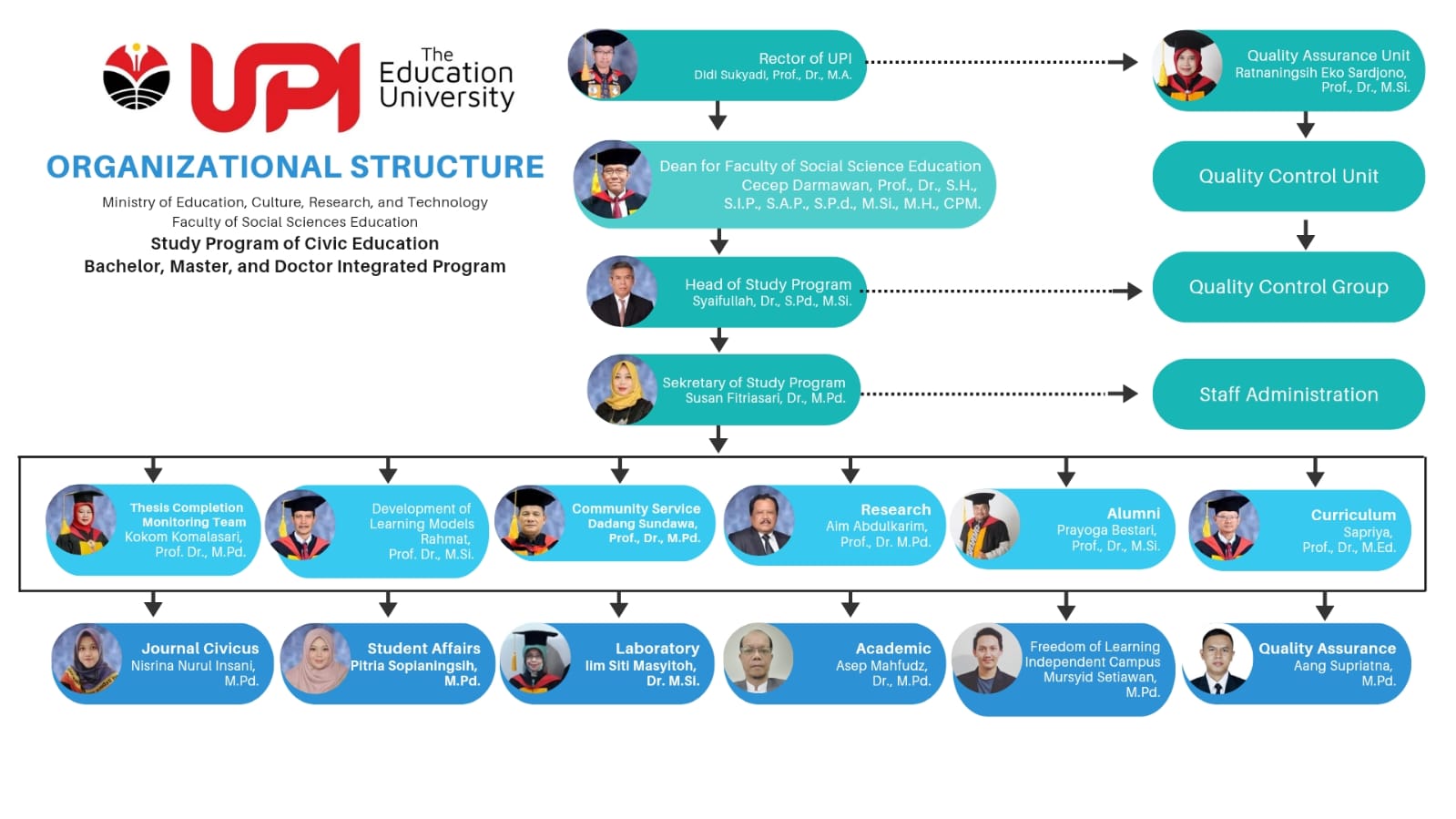
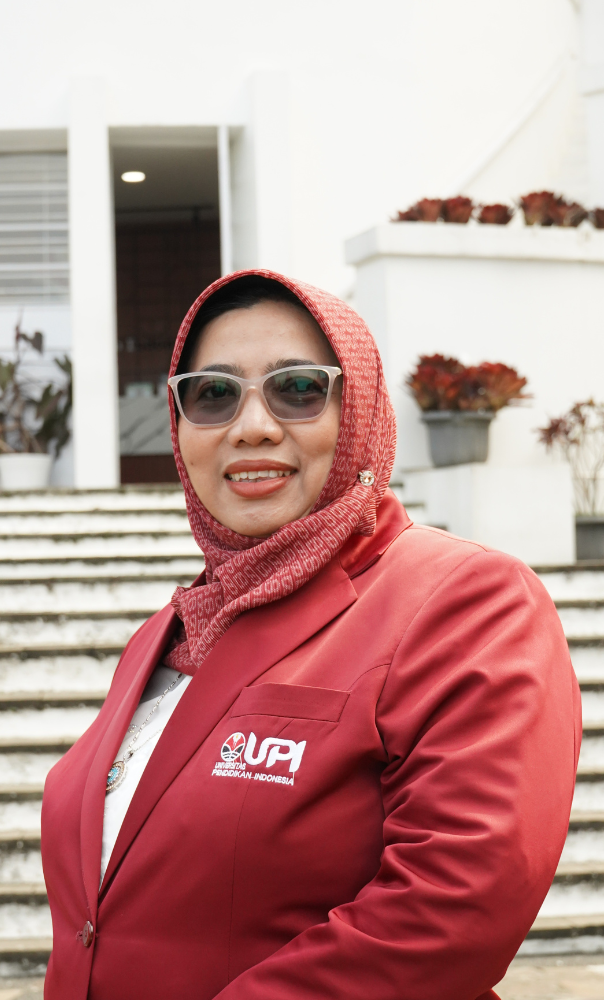
Dr. Leni Anggraeni, M.Pd,.
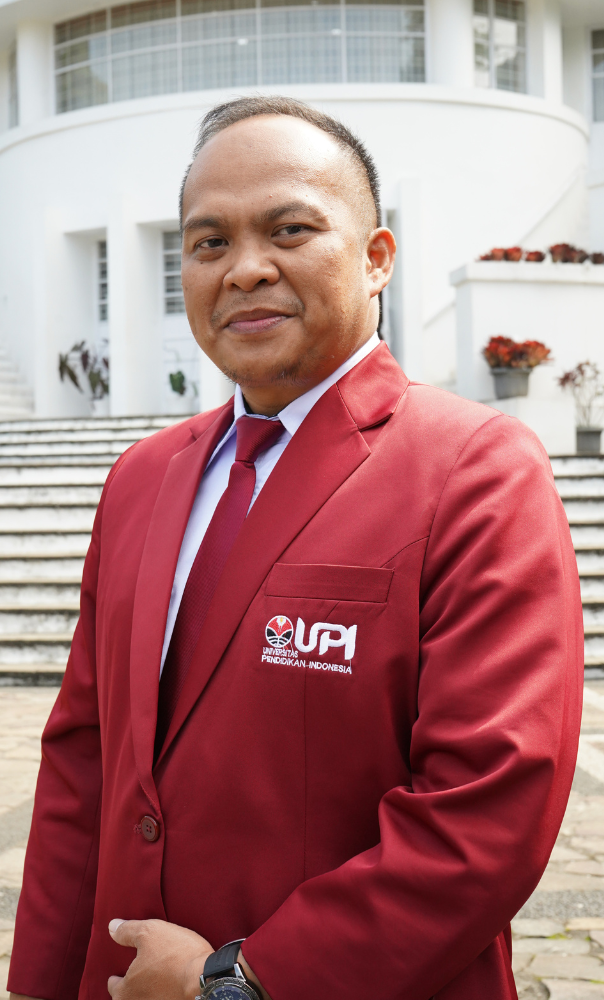
Dr. Supriyono, M.Pd.

Dr. Vini Agustiani Hadian, M.Pd.
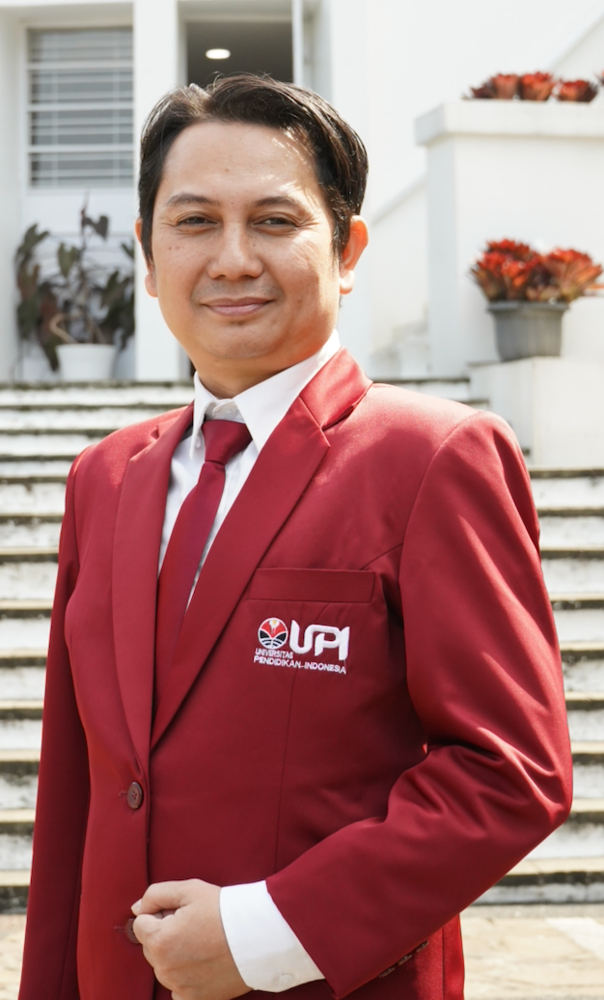
Dr. Dede Iswandi, M.Pd.
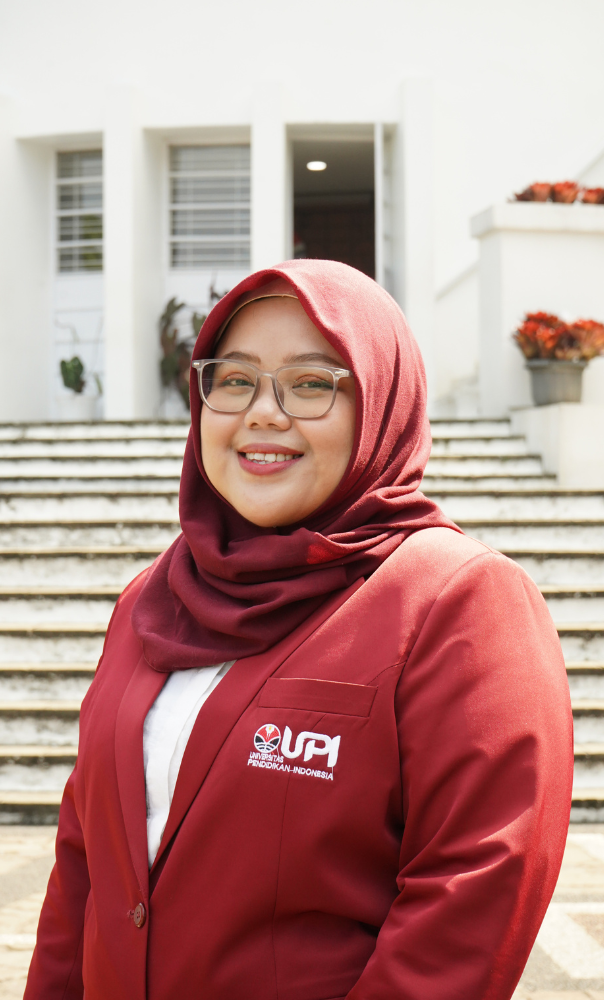
Pitria Sopianingsih, M.Pd.
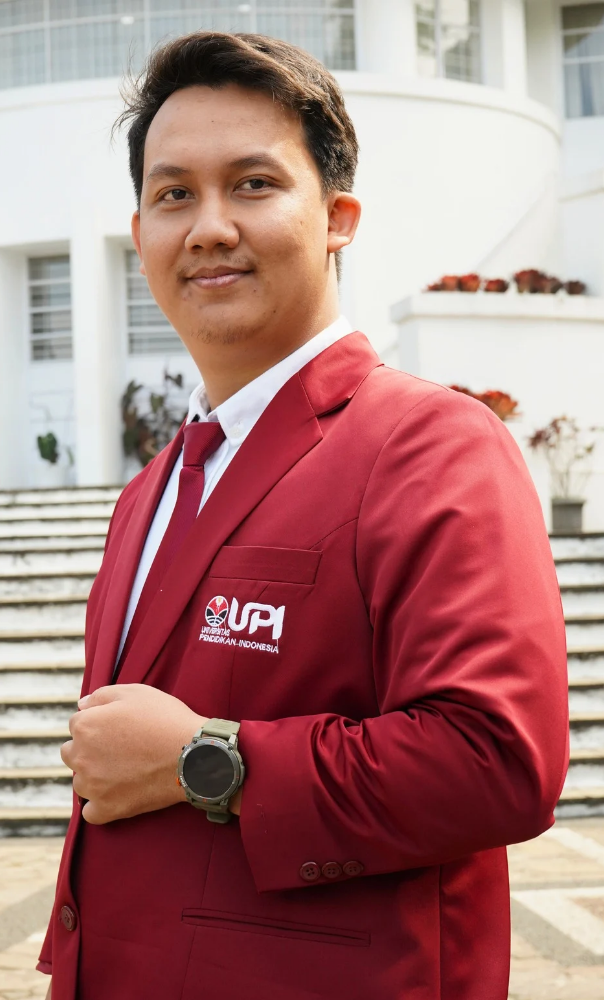
Mursyid Setiawan, M.Pd.
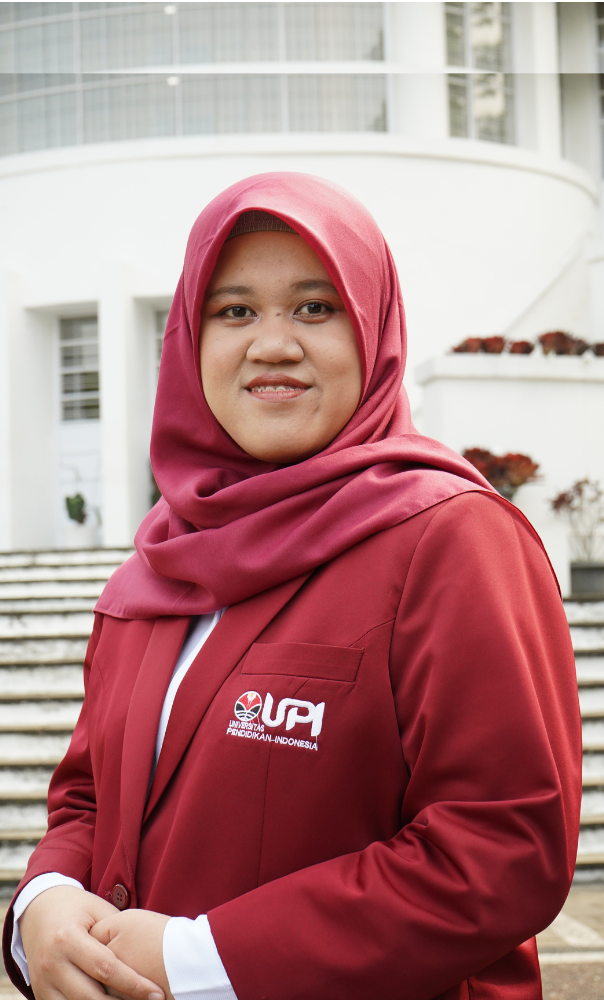
Nisrina Nurul Insani, M.Pd.
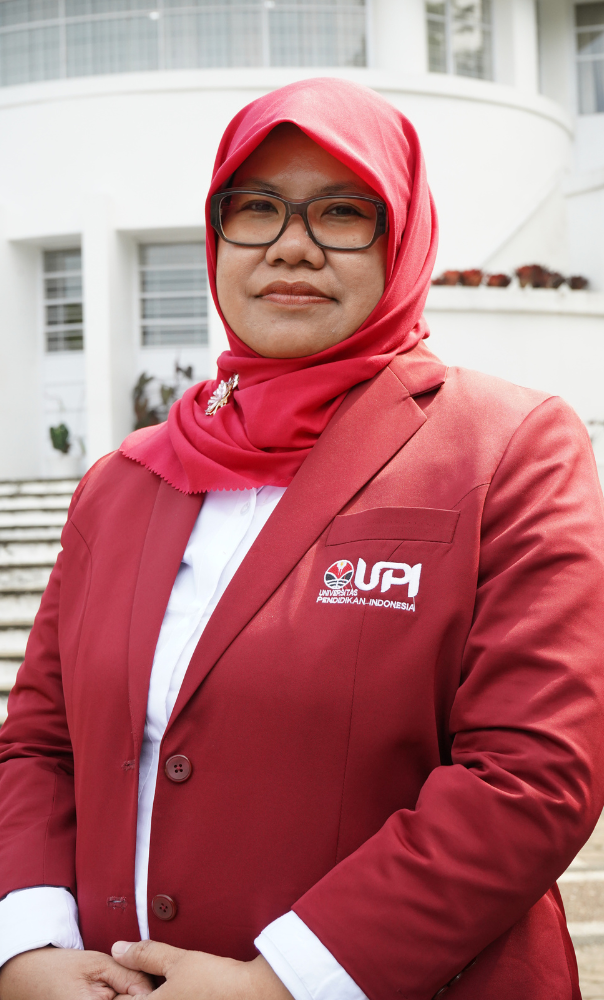
Dr. Ratna Fitria, S.Pd., M.Si.
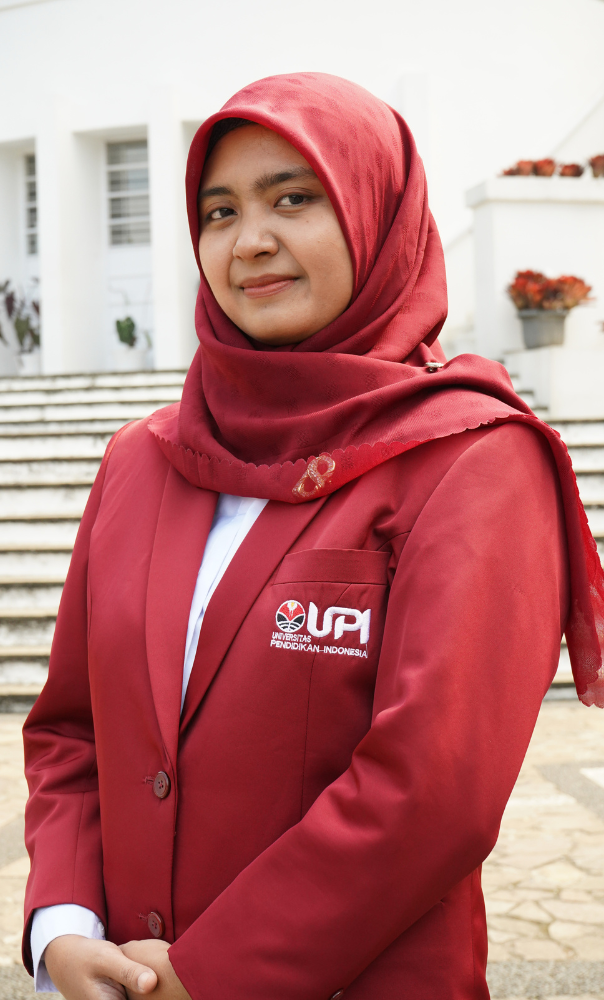
Indah Intan Megasari, M.Pd.
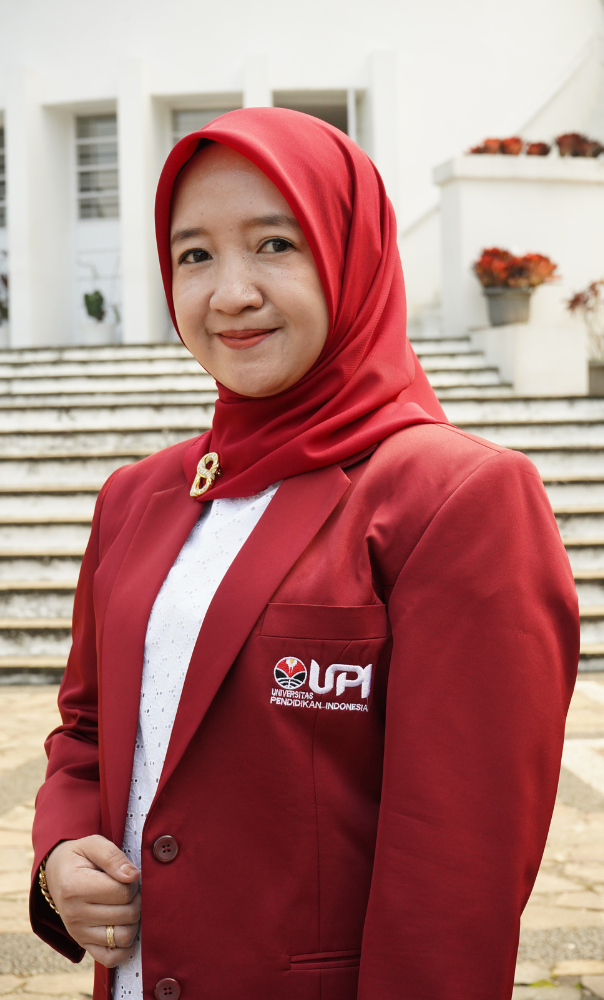
Dr. Rika Sartika, M.Pd.
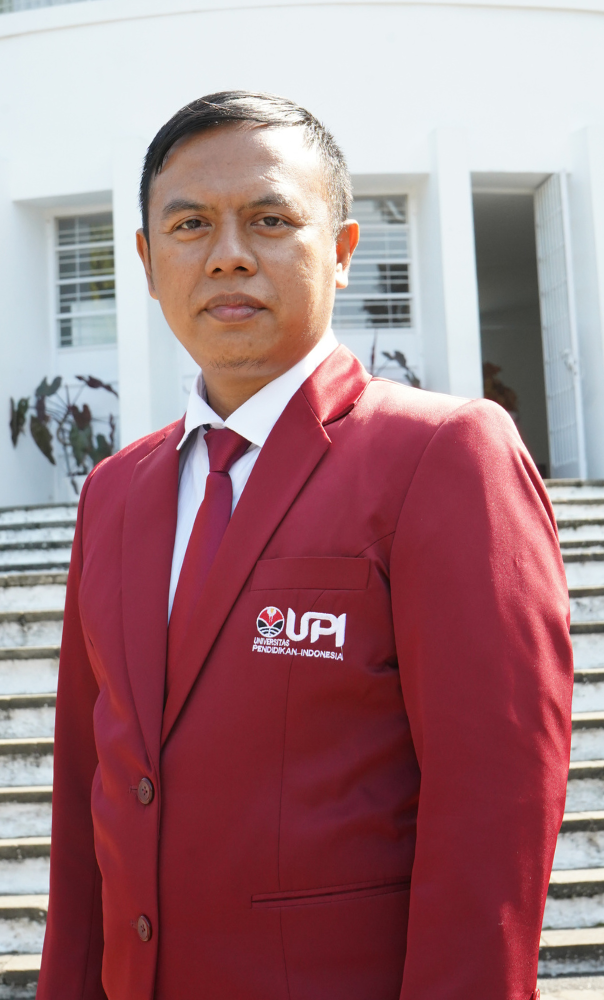
Aang Supriatna, M.Pd.
The lecturers of the PPKn Study Program have conducted various research studies on Citizenship Education, politics, law, and learning, tailored to their respective fields of expertise. In addition to the lecturers, students are also involved in research activities and community service conducted by the lecturers each year.
The results of the research and community service are published in international and nationally reputable journals, as well as in books with ISBN. The following research works have been published in international and nationally reputable journals, indexed by Scopus and SINTA, reflecting the academic contribution of lecturers and students in the field of Civic Education:
DOCUMENT LIST
1. Journal publication
2. Book written by lecturer of Pancasila and Civic Education
3. PKM 2022-2025
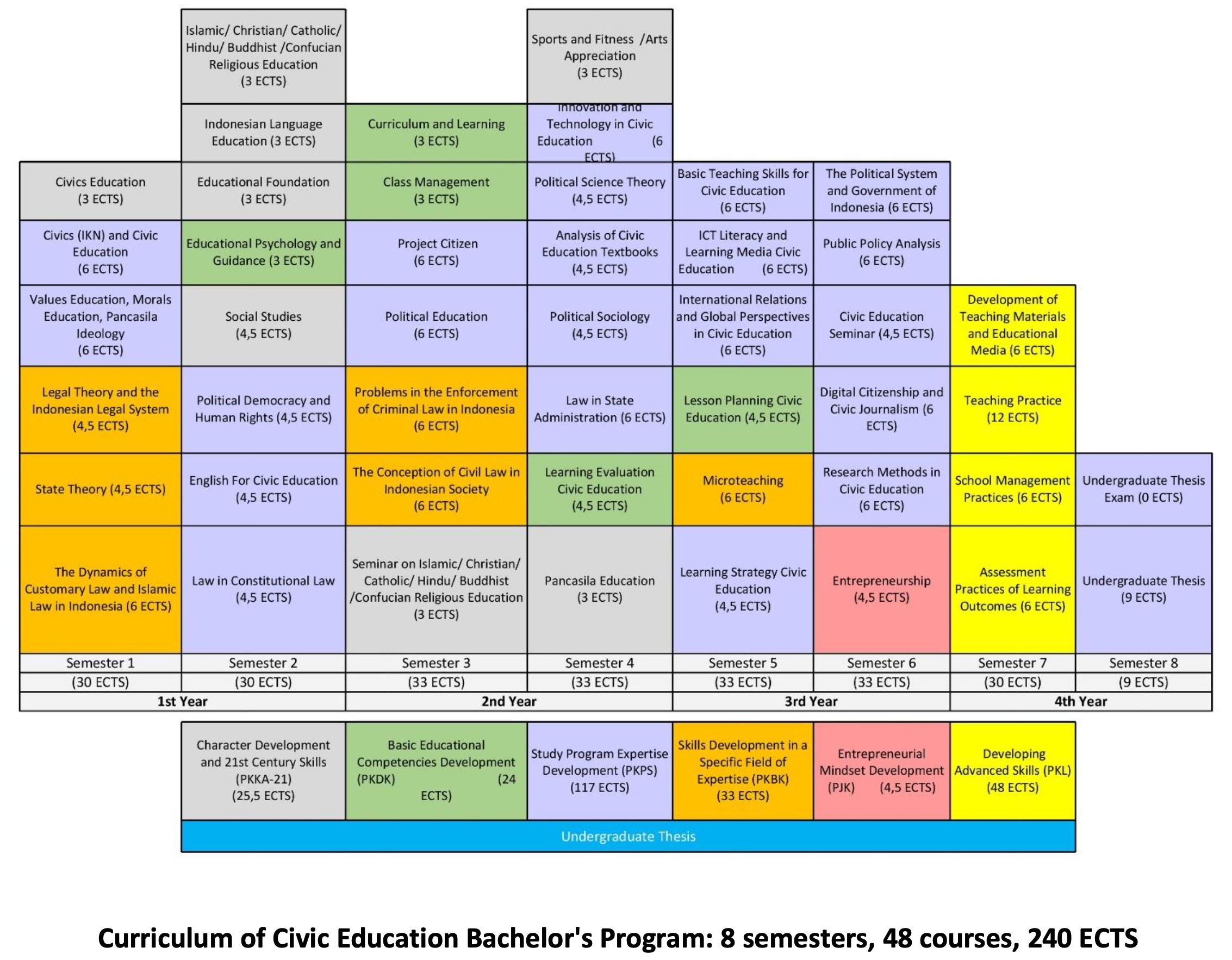
The Module Handbook for the Bachelor Program in Pancasila and Civic Education (PPKn) outlines a comprehensive curriculum comprising 48 courses designed to be completed over eight semesters (four academic years). The program carries a total academic load of 240 ECTS (European Credit Transfer and Accumulation System), with each semester offering around 30 to 33 ECTS, except for the eighth semester which consists of 9 ECTS, primarily dedicated to the Undergraduate Thesis.
The curriculum includes general education courses (such as Religious Education, Indonesian Language, and Physical Education), educational foundation courses (such as Curriculum and Learning, Classroom Management), and subject-matter courses in civic and political education (including Political Education, Human Rights, Constitutional Law, and Public Policy). Additionally, students engage in project-based learning, teaching practicum, and school- based assessments, ensuring a balance between theory and practice.
One of the key strengths of this curriculum is the integration of contemporary issues in digital citizenship and global civic engagement, reflected in courses like Digital Citizenship and Civic Journalism and Global Perspectives in International Relations. Students are trained to become professional educators through Microteaching, Teaching Practicum, and School Management Practicum, and are expected to demonstrate academic competence by completing an Undergraduate Thesis in the final semester. This program is designed to produce graduates who are knowledgeable, skilled, and responsible civic educators. They are equipped to promote democratic values, critical thinking, legal literacy, and moral intelligence, while also being responsive to the digital transformation and global challenges in education.
Facilities and Infrastructure
Various learning facilities and student support services have been provided by the University and Faculty, such as libraries, sports centers, and open spaces. The Bachelor of Citizenship Education program also has several learning facilities and student activities. As part of the Faculty of Social Sciences (FPIPS), the Citizenship Education program shares a lecture building located within the FPIPS building. This faculty implements resource sharing for both lecture rooms and other spaces to support learning, meetings, and other student activities.
For offline learning activities, the Bachelor of Citizenship Education program is equipped with two lecture rooms located on the 4th floor (4.1 and 4.10), one micro-teaching room, one laboratory room, a civic corner on the 2nd floor, and a faculty workspace consisting of 8 rooms spread across the 2nd, 3rd, and 4th floors of the FPIPS UPI building.
The lecture rooms for Pancasila and Citizenship Education students are equipped with complete and good facilities, such as: lecture tables, whiteboards, air conditioning (AC), Liquid Crystal Display (LCD) projectors, speakers, wireless projectors, and Wireless Fidelity (Wi-Fi). The chairs and tables are movable, allowing for flexible classroom activities according to the creativity and learning objectives of each session. Additionally, students in the Pancasila and Citizenship Education program can access a smart class located in the FPIPS building for hybrid classes or academic agendas, such as visiting professors or activities that require teleconferencing. This room is equipped with a smart TV, smart board, and other supporting facilities such as a sound system and functioning recording cameras.
The micro-teaching room is also a shared space with other educational programs. This room is used for micro-teaching practice, where students act as model teachers to conduct micro teaching activities. With soundproofing and observation glass, instructors can assess micro-teaching practices in detail. This room, in addition to having tables and chairs, is also equipped with an infocus projector, whiteboard, and air conditioning (AC).
The laboratory for the Pancasila and Citizenship Education program has an area of 14.00 x 7.50 m². This laboratory is directly managed by the program and headed by a laboratory head assisted by a secretary. The laboratory has two staff members who serve as laboratory technicians and web managers. Facilities available in the laboratory include a studio room, web management room, journal management room, book corner, achievement corner, and media center. The laboratory serves as a learning resource for students to develop their potential. It is used, for example, to create educational media products to enhance skills in media production, such as posters, comics, educational videos, presentation materials, etc. Students use the laboratory when completing course assignments, writing research reports, creating projects in the form of educational media, writing scientific papers, or when holding discussions. The laboratory is also used by faculty for meetings and academic group discussions. It is a facility that supports the academic community in carrying out their academic activities. The civic corner, located on the 2nd floor of the FPIPS building, serves as a meeting space for discussing matters related to lectures, along with adequate faculty Wi-Fi availability. The faculty workspace consists of large and medium-capacity rooms. The medium-capacity room accommodates eight faculty members, while the small-capacity room holds three faculty members. Each faculty member is separated by cubicles, which supports their concentration while working: https://www.upi.edu/pendidikan/fasilitas, library: http://perpustakaan.upi.edu/
The Self-Assessment Report (SAR) ACQUIN for the Bachelor Program in Pancasila and Civic Education (PPKn) at Universitas Pendidikan Indonesia (UPI) provides a comprehensive evaluation of the program's quality assurance, curriculum, and accreditation processes. It outlines the program's structure, which includes undergraduate, master's, and doctoral levels, and highlights its accreditation achievements, such as AUN-QA international accreditation and BAN-PT national accreditation (Grade A). The report details the program's student-centered learning approach, integration of technology, and alignment with national and international standards, including the Indonesian National Qualifications Framework (KKNI) and Outcome-Based Education (OBE). It also covers faculty qualifications, student admission processes, learning resources, and stakeholder involvement in curriculum development. The document emphasizes UPI's commitment to producing graduates who uphold democratic values, critical thinking, and global competitiveness, supported by robust internal and external quality assurance mechanisms. The full report is accessible via the provided links.
Link Final SAR ACQUIN
MODULE HANDBOOK FOR THE BACHELOR PROGRAM IN PANCASILA AND CIVIC EDUCATION
The Module Handbook for the Bachelor Program in Pancasila and Civic Education (PPKn) provides a detailed overview of a four-year undergraduate curriculum comprising 48 courses, totaling 240 ECTS. The program spans eight semesters, with a focus on general education, foundational pedagogical courses, and specialized subjects in civic and political education, such as Constitutional Law, Human Rights, and Digital Citizenship. It emphasizes practical training through teaching practicums, project-based learning, and school-based assessments, while integrating contemporary themes like global civic engagement and digital transformation. The final semester is dedicated to an Undergraduate Thesis (9 ECTS), ensuring graduates emerge as skilled educators capable of fostering democratic values, critical thinking, and adaptability to global and digital challenges in education. The complete handbook is accessible via a provided link.
Link Module Handbook
SUMMARY OF ANNEX: NATIONAL RECOGNITION DOCUMENTS
As part of the external quality assurance system in Indonesia, all study programs in this cluster have undergone national accreditation processes conducted by official accreditation bodies, namely the National Accreditation Board for Higher Education (BAN-PT) and Independent Accreditation Institutions (LAM)
Link Summary of Annex
LIST OF ANNEX CLUSTER SOCIAL 2
SUMMARY OF ANNEX 0: National Recognition Documents
SUMMARY OF ANNEX 1: QA Handbook
SUMMARY OF ANNEX 2: Module Evaluation Guideline
SUMMARY OF ANNEX 3: Study and Examination Regulations
SUMMARY OF ANNEX 4: Complaints Policy
SUMMARY OF ANNEX 5: Admission Regulation
SUMMARY OF ANNEX 6: Learning Agreement Regulation
SUMMARY OF ANNEX 7: Diploma Supplement
SUMMARY OF ANNEX 8: CVs of Full Professors and Academic Lecturers
SUMMARY OF ANNEX 9: Staff Recruitment or Hiring Policy
SUMMARY OF ANNEX 10: Teaching Load and Ratio
SUMMARY OF ANNEX 11: Overview of Labs and Equipment
SUMMARY OF ANNEX 12: Overview of Library Resources
SUMMARY OF ANNEX 13: Career Paths for the Graduates
SUMMARY OF ANNEX 14: Data Collection Policy and Progression Rates
SUMMARY OF ANNEX 15: Evaluation Results of Students and Alumni
SUMMARY OF ANNEX 16: Advertising Material
SUMMARY OF ANNEX 17: Blended Learning or Distance Learning Achievements
SUMMARY OF ANNEX 18: Graduation Certification
SUMMARY OF ANNEX 19: Industry Partners/User
SUMMARY OF ANNEX 20: International Office Regulations
SUMMARY OF ANNEX 21: Module Recognition Regulations
SUMMARY OF ANNEX 22: On-going Monitoring and Periodic Review of Programs
SUMMARY OF ANNEX 23: Overview of IT-Infrastructure
SUMMARY OF ANNEX 24: Partner Universities
SUMMARY OF ANNEX 25: Research Activities
SUMMARY OF ANNEX 26: Study Schedules
SUMMARY OF ANNEX 27: Thesis or Abstract Examples for All Programs