
Tourism Marketing Management
tourism marketing
managEMENT
Over the past 20 years, each memory we've created has woven a rich tapestry of friendship, learning, and growth, reminding us that the journey is just as beautiful as the destination.
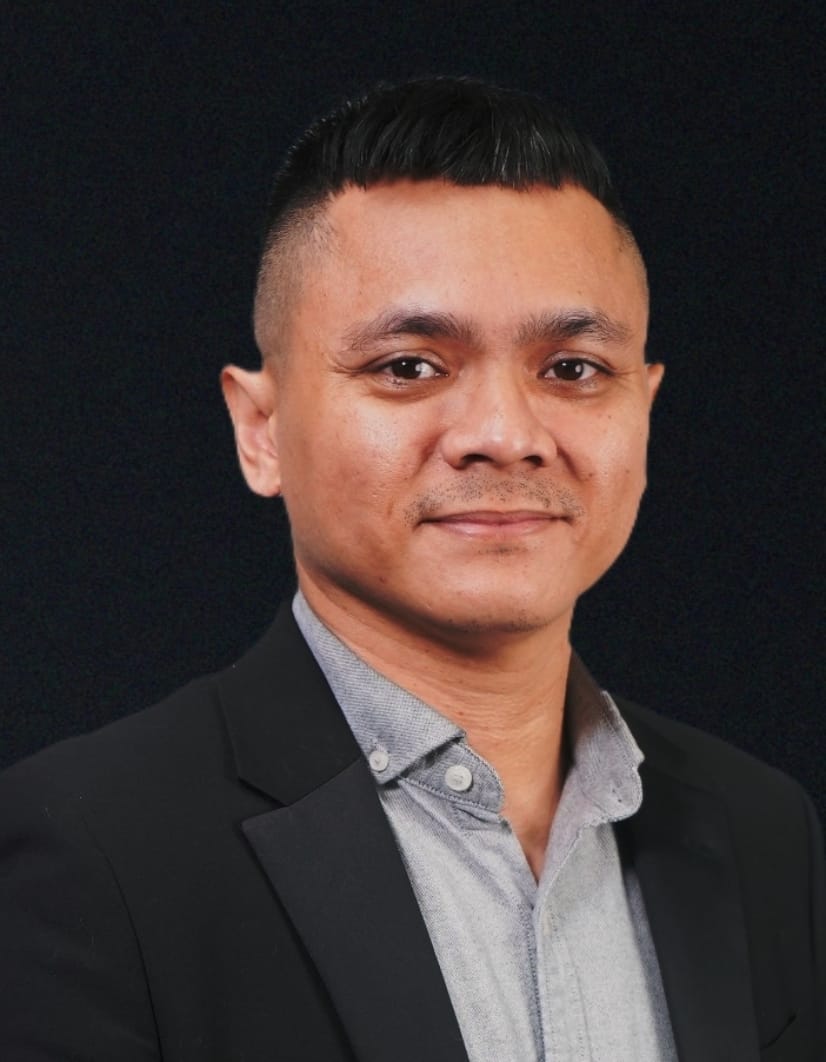
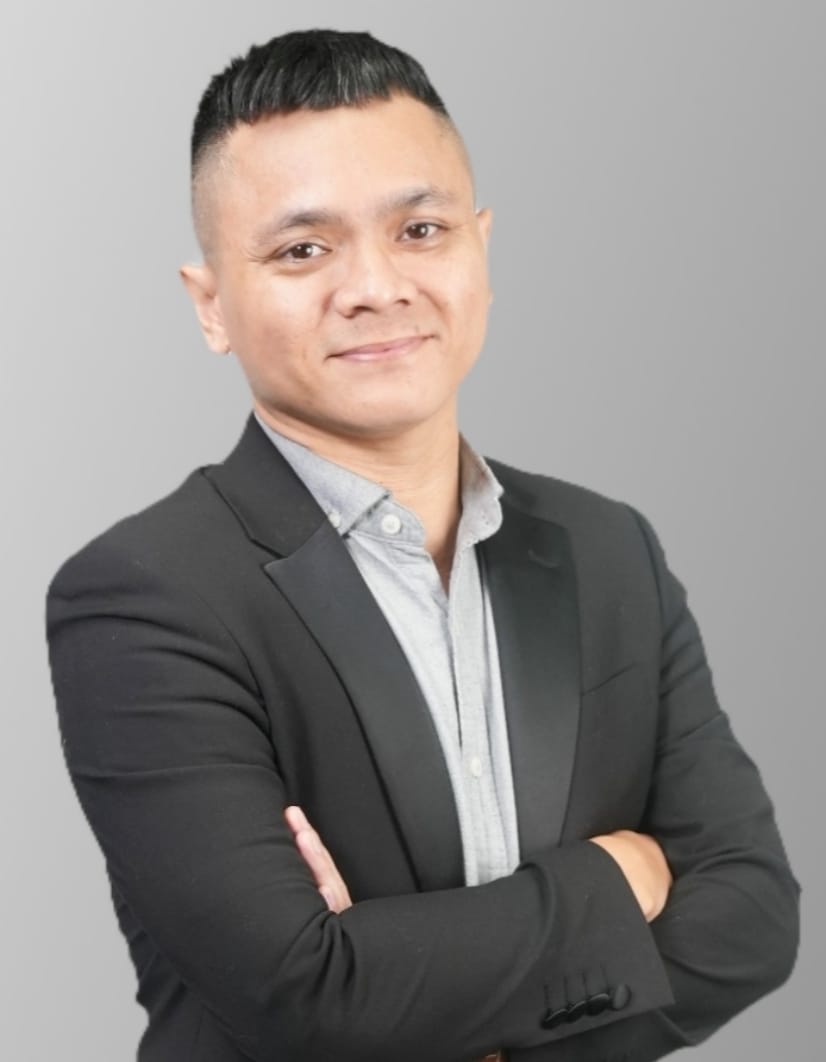
Head of Tourism Marketing Management Study Program
Areas of Study
About Us


Manajemen Pemasaran Pariwisata
Tourism Marketing Management
Study Program Code : B535
Strata: S1
Bachelor's Degree: S.Par.


Year Of Establishment: 2005 Decree of establishment: 1339/J33 / PP.03/2005
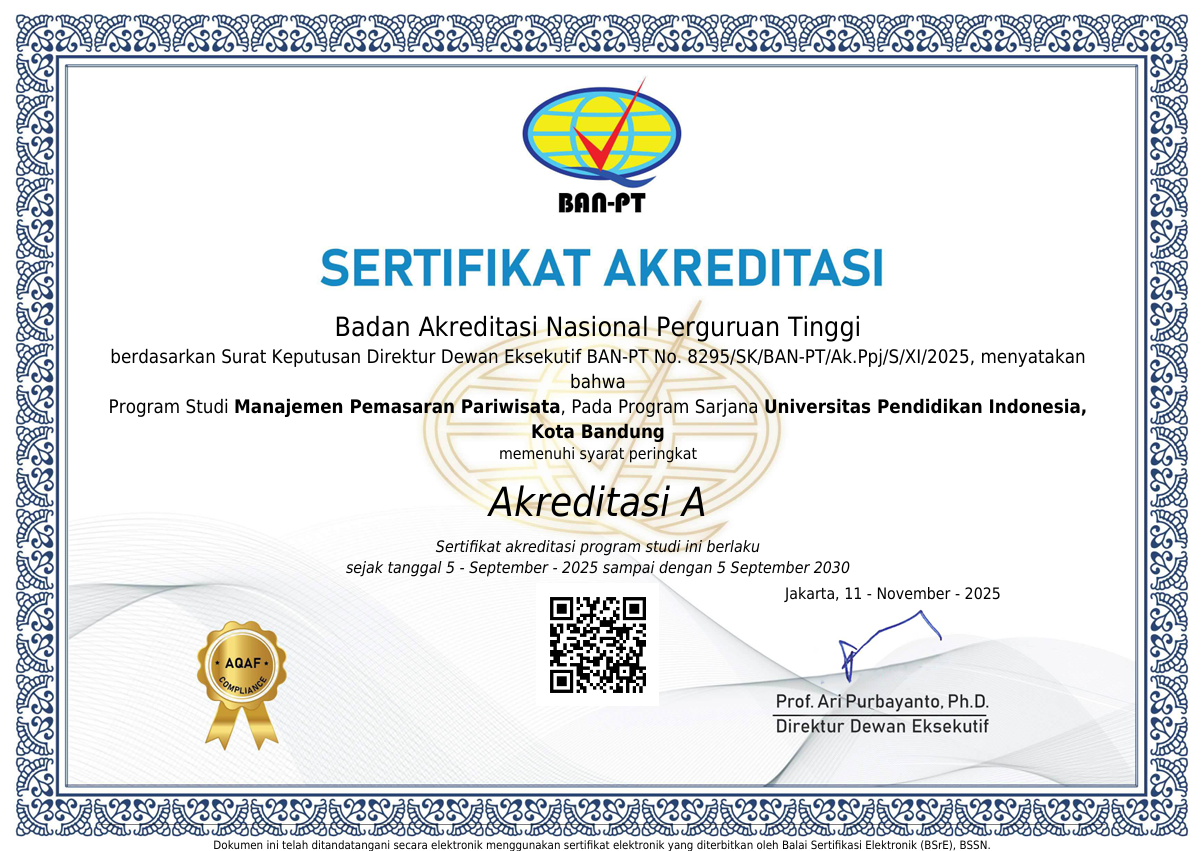
Year Of National Accreditation: 2025
National Accreditation Rating: A
National Accreditation Decree Number: 8295/SK/BAN-PT/Ak-Ppj/S/XI/2025
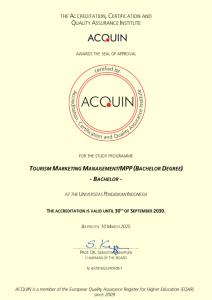
Year of International Accreditation: 2025
International Accredited by ACQUIN
International Accreditation Decree Number: N. 42701652-240105-1

Location: Jl. Dr. Setiabudhi No. 229, Isola, Kec. Sukasari, Kota Bandung, Jawa Barat Email: [email protected] Website: https://fpips.upi.edu/tmm
Curriculum Insights
The Tourism Marketing Management (MPP) study program was established in 2005. This study program is one of the tourism study programs under the Faculty of Social Science Education (FPIPS), Universitas Pendidikan Indonesia. The accreditation status of this program for the period 2020 to 2025 is A, it is also internationally accredited by ACQUIN (The Accreditation, Certification and Quality Assurance Institute). The graduate profile of this study program includes:
- Managers and marketers in the field of tourism,
- Researchers in the field of tourism marketing management,
- Entrepreneurs in the field of tourism. The graduate profile of the MPP.

Menjadi Program Studi Pelopor dan Unggul yang Berfokus Internasionalisasi dalam Pengembangan Keilmuan Manajemen Pemasaran Pariwisata yang Berbasis Riset, Teknologi, dan Pengembangan Pariwisata yang Berkelanjutan
Become a pioneer and superior study Program that focuses on internationalization in the scientific development of Tourism Marketing Management based on Research, Technology, and Tourism Development Sustainable.
- Menyelenggarakan pendidikan yang berkualitas untuk menghasilkan lulusan dalam bidang manajemen pemasaran pariwisata
- Melakukan penelitian yang bermanfaat bagi pengembangan ilmu manajemen pemasaran pariwisata dan stakeholders pariwisata
- Berperan aktif dan peduli terhadap masyarakat sekitar dalam pengembangan potensi kepariwisataan
- Provide quality education to produce graduates in the field of Tourism Marketing Management.
- Conduct research that contributes to the development of knowledge in Tourism Marketing Management and benefits tourism stakeholders.
- Actively engage and be responsive to the local community in developing tourism potential.
The development of the curriculum in the Tourism Marketing Management program is guided by several philosophical foundations that provide clear direction and objectives for the educational offerings. These foundations encompass various schools of thought, including perennialism, essentialism, existentialism, progressivism, and reconstructivism.
Perennialism: A Foundation of Deep Knowledge
Perennialism serves as the first philosophical foundation in the development of the Tourism Marketing Management curriculum. This approach is adopted due to the need for deep learning and understanding of fundamental concepts. In the context of the tourism industry, the demand for professionals with a strong knowledge base is crucial. The program believes that to become competent professionals in the tourism sector, students must possess a solid foundation of knowledge and develop critical thinking skills.
Essentialism: Focus on Core Material
Essentialism is the second philosophical foundation influencing the curriculum of the Tourism Marketing Management program. This foundation emphasizes that the curriculum should include core material deemed essential for all students. In this program's context, this includes professionalism, proficiency in English, and a deep understanding of tourism marketing management. The curriculum is designed with consideration of industry needs and the competencies expected from graduates.
Existentialism: Valuing Individuality and Freedom
The third philosophical foundation affecting the Tourism Marketing Management curriculum is existentialism. In an educational context, existentialism highlights the importance of valuing individual uniqueness and the freedom to determine one's life direction. The program provides space for students to engage in personal reflection, hands-on experiences, and the development of non-academic aspects such as emotions and creativity through various concentrations and the implementation of diverse MBKM programs.
Progressivism: Direct Experience and Social Interaction
In response to the dynamic demands of the tourism industry, the progressivism approach becomes an important philosophical foundation in developing the Tourism Marketing Management curriculum. This approach emphasizes the significance of direct experience, experimentation, and social interaction in learning. Students are encouraged to develop skills, attitudes, and critical thinking relevant to future job market challenges.
Reconstructivism: Understanding and Changing Unjust Social Structures
The final philosophical foundation influencing the Tourism Marketing Management curriculum is reconstructivism. In studying tourism marketing management, there is a critical emphasis on understanding the social, political, and cultural contexts of the real world. The program encourages students to become agents of change capable of understanding and altering unjust social structures through discussions, collaborative projects, and critical analyses of social realities.
The Tourism Marketing Management program embraces a constructivist approach to learning, emphasizing the active role of students in building their own knowledge through interaction with their environment. According to this theory, students are not merely passive recipients of information; they become active agents in the learning process, engaging in the construction of their understanding through diverse experiences, reflection, and social interactions.
The constructivist approach implemented in this program extends beyond traditional lectures to include a variety of learning activities that promote direct student engagement. In this context, problem-based learning, projects, and discussions serve as primary methods, allowing students to construct their understanding through hands-on experiences and deep reflection.
Through this approach, students are given the opportunity to develop critical, creative, and collaborative skills essential for thriving in the dynamic tourism industry. They not only acquire theoretical knowledge but also learn to apply the concepts studied in real-world situations, preparing them to become competent and innovative leaders in an ever-evolving tourism landscape.
The rapid development in the tourism sector, along with advancements in marketing management, has prompted this program to continuously adapt its curriculum. In designing the curriculum, the program prioritizes the analysis and adoption of changes across various social, cultural, economic, political, technological, and environmental aspects. As a result, the curriculum is regularly updated to align with the latest developments.
The integration of cutting-edge technology, emphasis on sustainable values, and understanding of lifestyle trends are key focuses in the curriculum design. This aims to ensure that students not only gain theoretical knowledge but also acquire practical skills relevant to the current and future needs of the tourism industry.
Through this approach, it is expected that graduates of this program will be better equipped to face the challenges and opportunities within the tourism industry, becoming agents of change who contribute to sustainable development and enhance the quality of life for both local and global communities.
- Undang Undang Nomor 20 Tahun 2003 tentang Sistem Pendidikan Nasional
- Undang-undang Nomor 14 Tahun 2005 tentang Guru dan Dosen
- Undang-undang Nomor 12 Tahun 2012 tentang Pendidikan Tinggi Pasal 35 Ayat dan Ayat (2).
- Peraturan Pemerintah Nomor 4 Tahun 2014 tentang Penyelenggaraan Pendidikan dan Pengelolaan Perguruan Tinggi.
- Peraturan Presiden Nomor 8 Tahun 2012 tentang Kerangka Kualifikasi Nasional Indonesia
- Peraturan Presiden Nomor 13 Tahun 2015 tentang Kementerian Riset, Teknologi, dan Pendidikan Tinggi
- Peraturan Menteri Pendidikan dan Kebudayaan Nomor 73 Tahun 2013 tentang Penerapan KKNI Bidang Pendidikan Tinggi
- Peraturan Menteri Pendidikan, Kebudayaan, Riset, dan Teknologi Republik Indonesia Nomor 53 Tahun 2023 Tentang Penjaminan Mutu Pendidikan Tinggi;
- Keputusan Menteri Pendidikan dan Kebudayaan Republik Indonesia Nomor 210/M/2023 tentang Kinerja Utama Perguruan Tinggi dan Lembaga layanan Pendidikan Tinggi di Kementerian Pendidikan, Kebudayaan, Riset, dan Teknologi.
- Keputusan Menteri Pendidikan dan Kebudayaan Nomor 74/P/2021 tentang Pengakuan Satuan Kredit Semester Pembelajaran Program Kampus Merdeka.
- Keputusan Direktur Jenderal Pembelajaran dan Kemahasiswaan Kementerian Riset, Teknologi, dan Pendidikan Tinggi Republik Indonesia Nomor 123/B/SK/2017 tentang Pedoman Tata Cara Penyelenggaraan Pembelajaran Lampau;
- Peraturan Majelis Wali Amanat Nomor 03/PER/MWA/UPI/2015 tentang Peraturan Pelaksanaan Pemerintah Nomor 15 Tahun 2014 tentang Statuta Universitas Pendidikan Indonesia sebagaimana telah diubah beberapa kali terakhir dengan Peraturan Majelis Wali Amanat Nomor 03/PER/MWA UPI/2019 tentang Perubahan Ketiga Peraturan Majelis Wali Amanah Nomor 03/PER/MWA UPI/2015 tentang Peraturan Pelaksanaan Peraturan Pemerintah Nomor 14 Tahun 2014 tentang Statuta Universitas Pendidikan Indonesia;
- Peraturan Senat Akademik Universitas Pendidikan Indonesia Nomor 01 Tahun 2023 Tentang Standar Proses Pembelajaran Universitas Pendidikan Indonesia
- Peraturan Senat Akademik Universitas Pendidikan Indonesia Nomor 02 Tahun 2023 Tentang Ijazah, Sertifikat Kompetensi, Sertifikat Profesi, Gelar, dan Tata Cara Penulisan Gelar di Universitas Pendidikan Indonesia.
- Peraturan Rektor Universitas Pendidikan Indonesia Nomor 18 Tahun 2023 Tentang Penyetaraan Satuan Kredit Semester dan Nilai Hasil Belajar Di Lingkungan Universitas Pendidikan Indonesia
Tourism Managers and Marketers
Researchers in Tourism Marketing Management
Entrepreneurs in the Tourism Sector
Dosennya terbaik, mata kuliahnya seru - seru, banyak hal yang bisa diambil, proses pembelajaran langsung terpakai di industri🫶🏻
Dimulai dari aktif di perkuliahan di bidang Marketing Hima MPP UPI sampai sekarang jadi Senior Marcomm Executive di dprimahotel benar - benar semua yang diajarkan dan dibiasakan saat perkuliahan mudah diterapkan di industri. Teruslah berkarir sesuai dengan passion💪
Kuliah di Manajemen Pemasaran Pariwisata UPI bukan hanya tentang teori, tapi tentang membentuk cara berpikir strategis, komunikasi efektif dan pribadi yang disiplinsangat saya rasakan manfaatnya sekarang. Pengalaman belajar bersama dosen-dosen hebat dan teman-teman yang inspiratif menjadi bekal berharga dalam dunia kerja, terutama saat saya menjalani profesi yang saya tekuni di industri perhotelan. Semua ilmu tentang segmentasi pasar, strategi promosi, brand managemen hingga pemahaman dunia pariwisata kini benar-benar saya terapkan setiap hari.
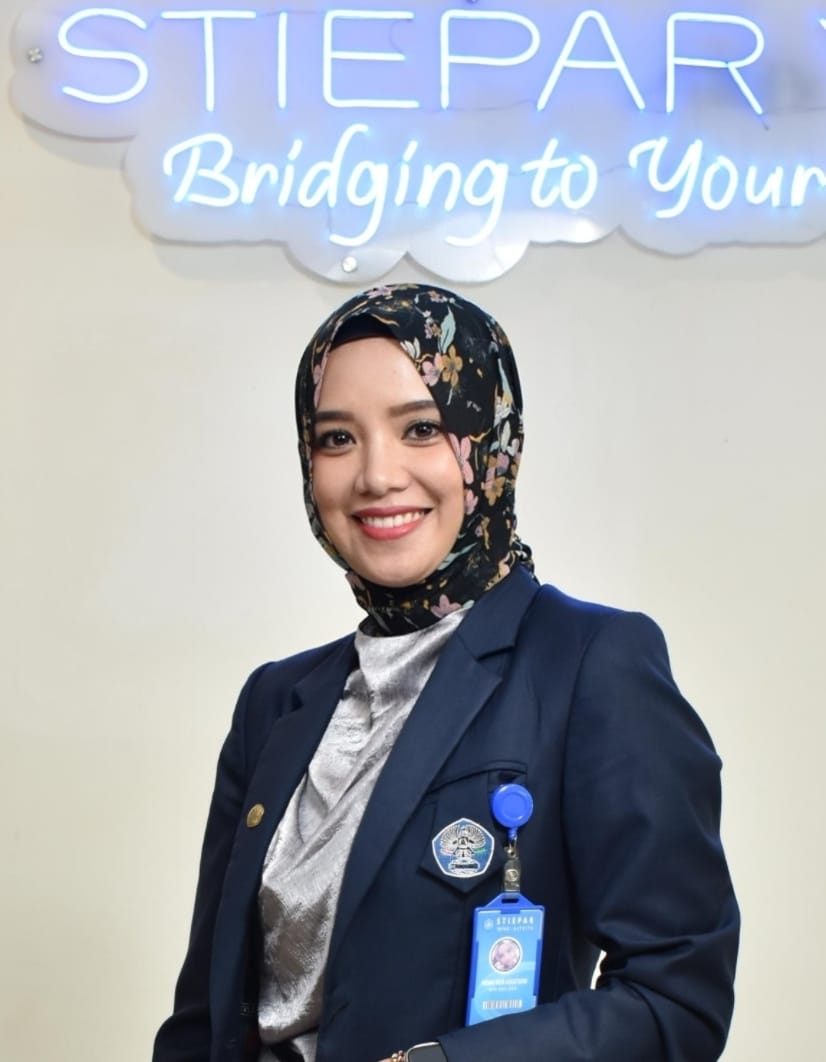
Halo, saya Indah alumni MPP,
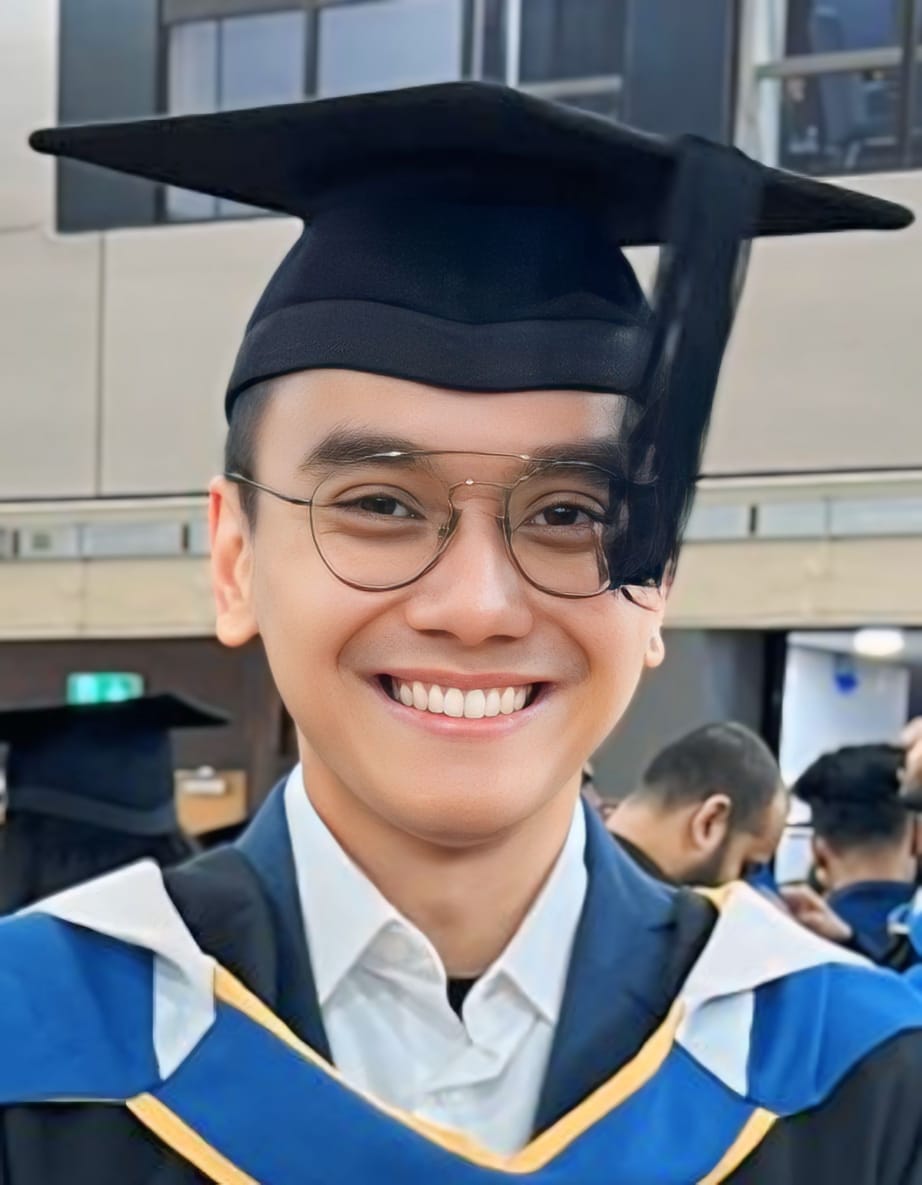
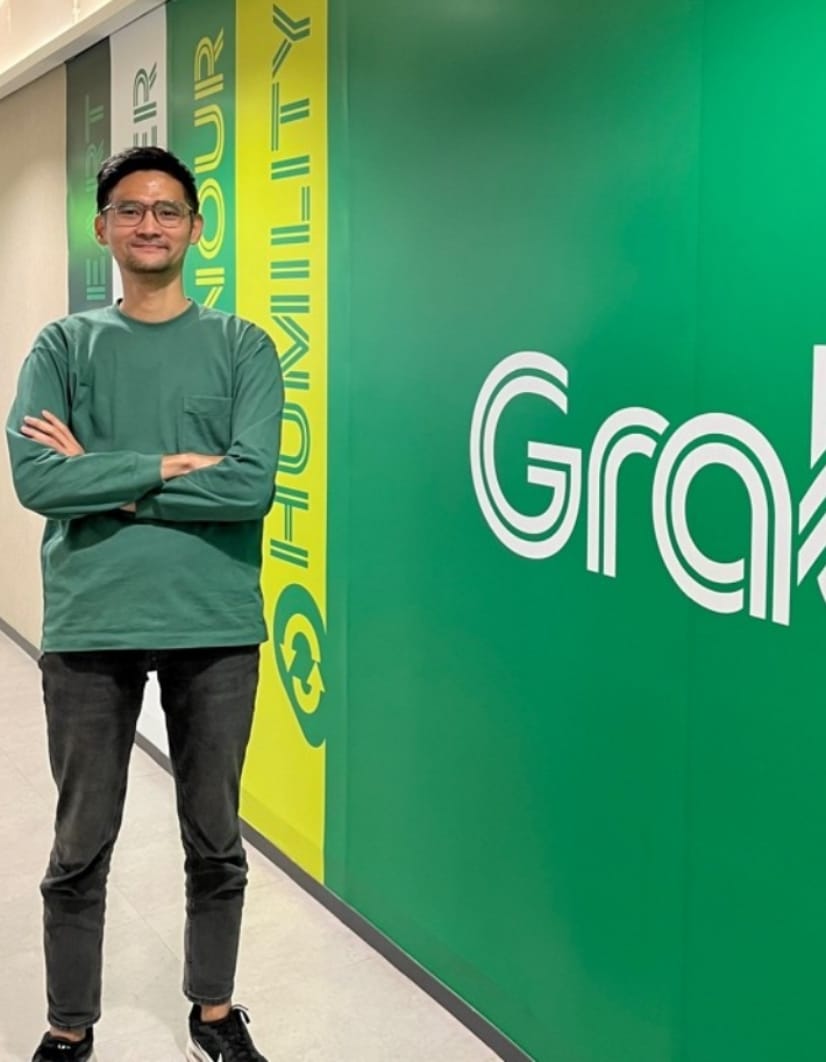
MPP banyak melahirkan alumni-alumni yang dahsyat!
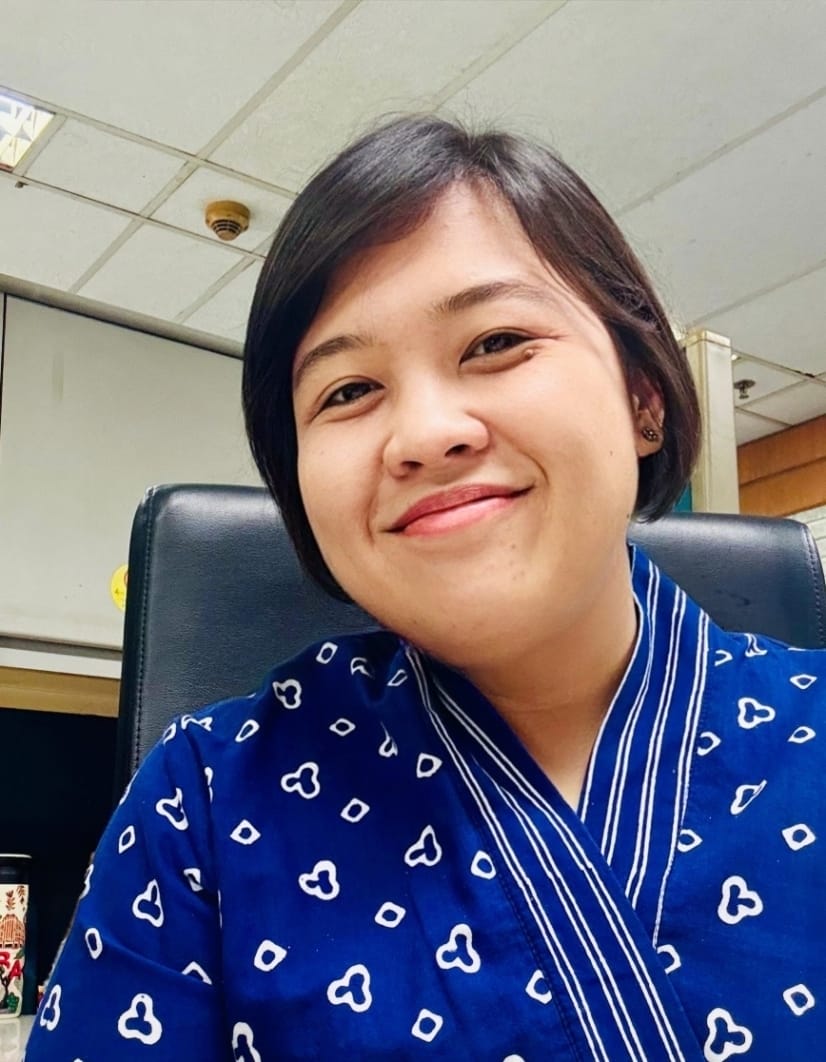
"Keberhasilan diraih tidak melulu karena upaya sendiri tetapi juga didorong oleh lingkungan yang positif dan suportif, serta doa yang menembus langit dari orang tua”
Halo, saya Indah alumni MPP,
Apa yang melewatkanku tidak akan menjadi takdirku dan apa yang ditakdirkan untukku tidak akan pernah melewatkan ku.
Menempuh pendidikan kuliah di MPP UPI adalah pilihan yang tidak akan saya sesali. Selain banyak belajar hal baru, di sini saya juga belajar banyak pengalaman di dunia pariwisata yang belum pernah saya pelajari sebelumnya. Selama berkuliah berbagai kesempatan untuk mendapatkan pengalaman di negara lain juga terbuka lebar dan menjadi salah satu pengalaman yang memberikan banyak pelajaran bermanfaat untuk saya di masa depan. Dibimbing dengan dosen yang profesional dan ramah juga menjadi kesan baik selama saya berkuliah di MPP UPI. Selalu akan ada banyak pengalaman berharga di setiap perjalanan yang kita lalui, hadapi semuanya dengan baik maka akan memberikan makna yang baik.

Ketika saya mengambil konsentrasi Manajemen Pemasaran Destinasi Pariwista, saya bertekad untuk menjadi penulis catatan perjalanan, travel writer. Secara resmi, cita-cita itu memang sepenuhnya terwujud. Namun begitu, saya tetap bekerja sesuai passion saya: menjadi penulis. Tepatnya, penulis artikel iklan.
Gunakan waktumu untuk terus selalu berlatih dan belajar maka hidupmu akan selalu berwarna..
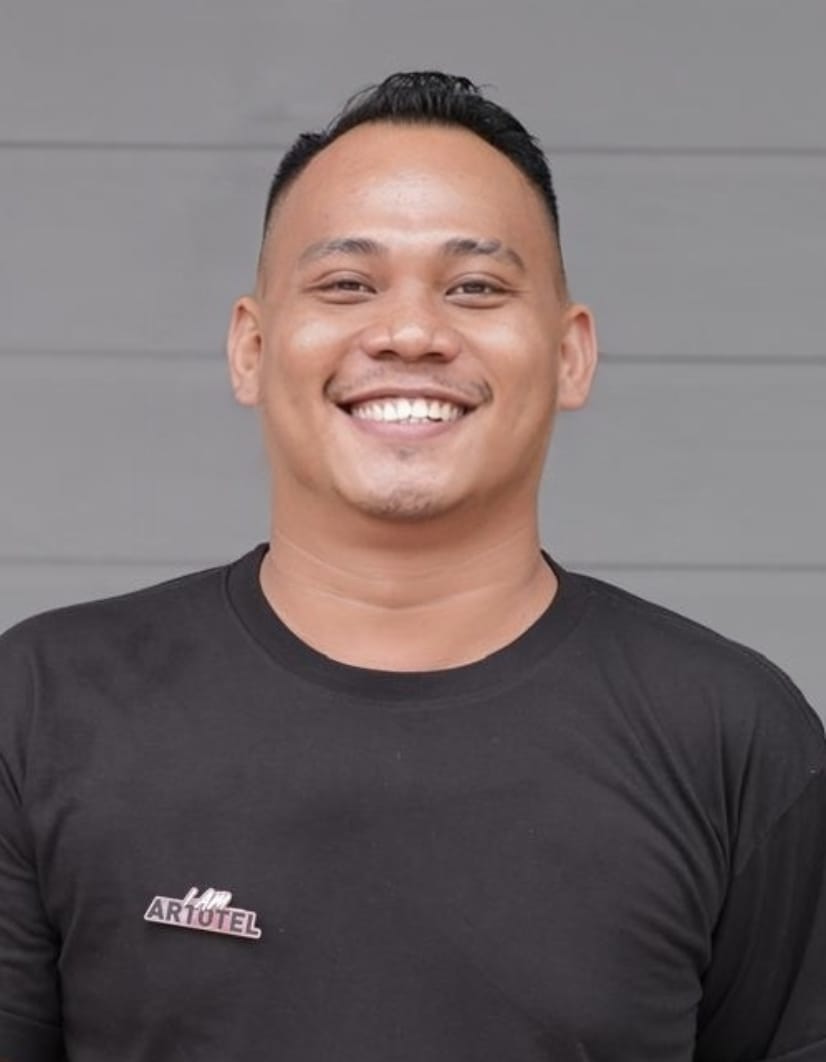
Berkembanglah dimana kamu di Tanam, Tuhan Menempatkan disana untuk satu Tujuan
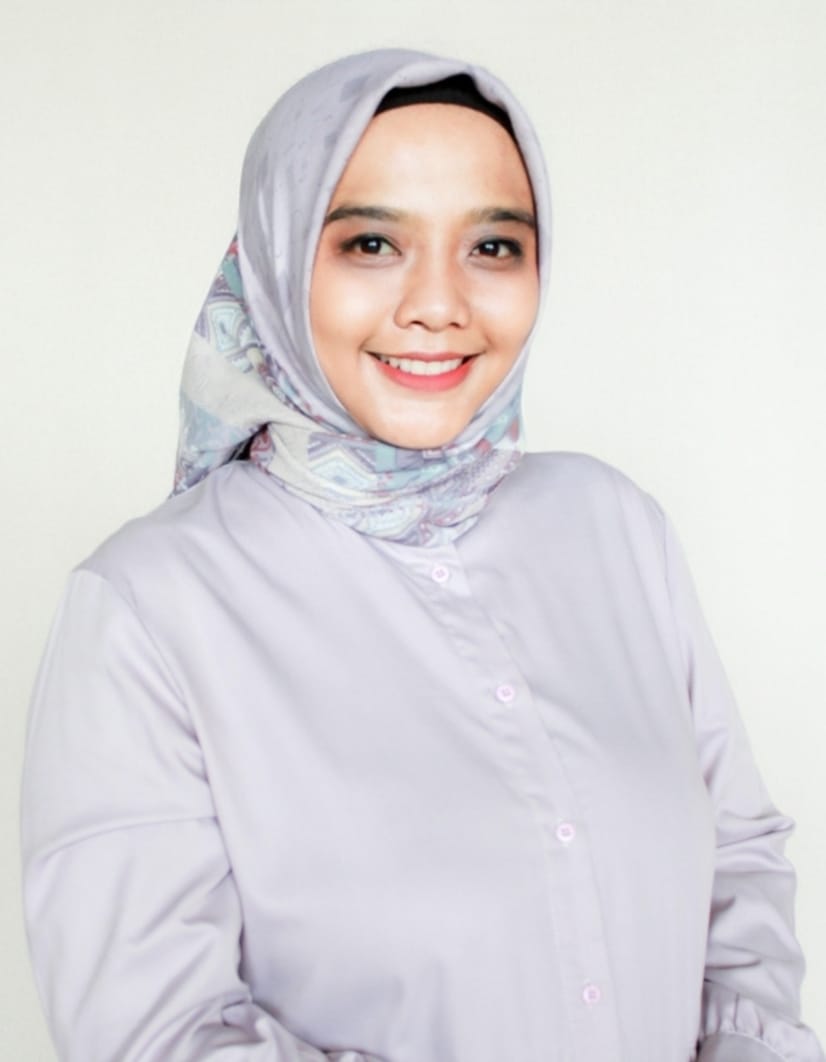
Learning tourism is not just about places; it’s about people, stories, and the connections that shape our world.
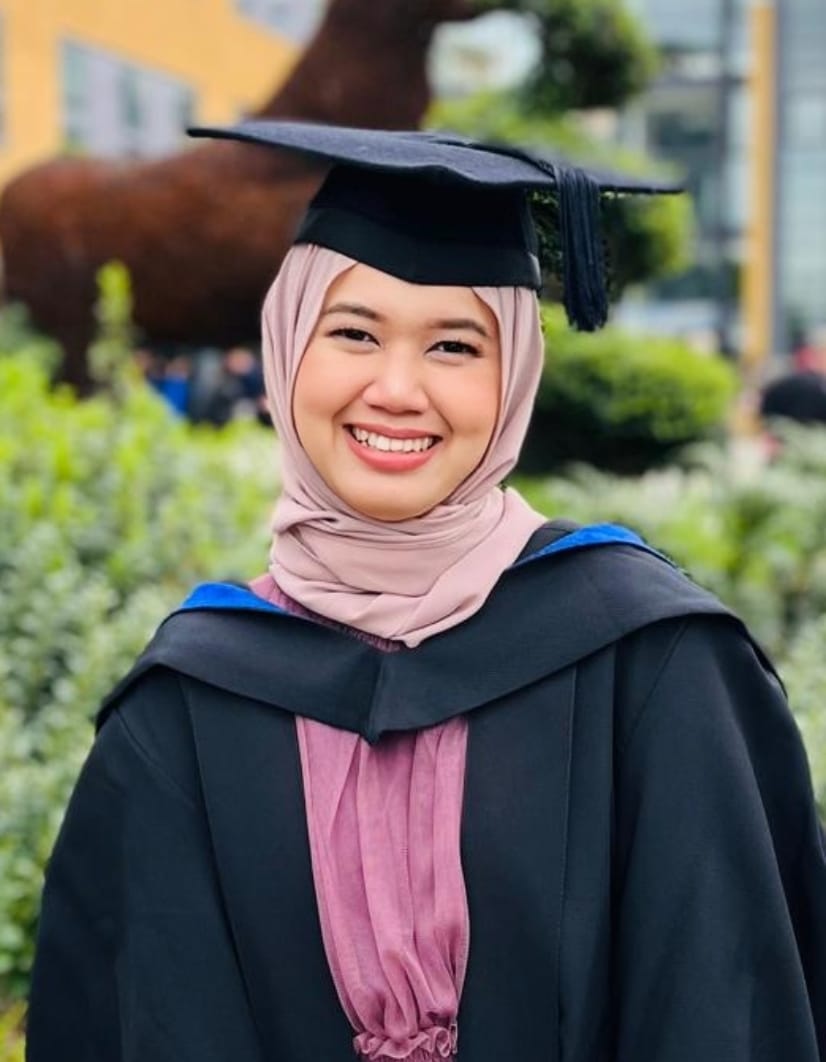
Studying tourism at MPP UPI was more than just earning a degree—it was a journey that shaped my career and aspirations.

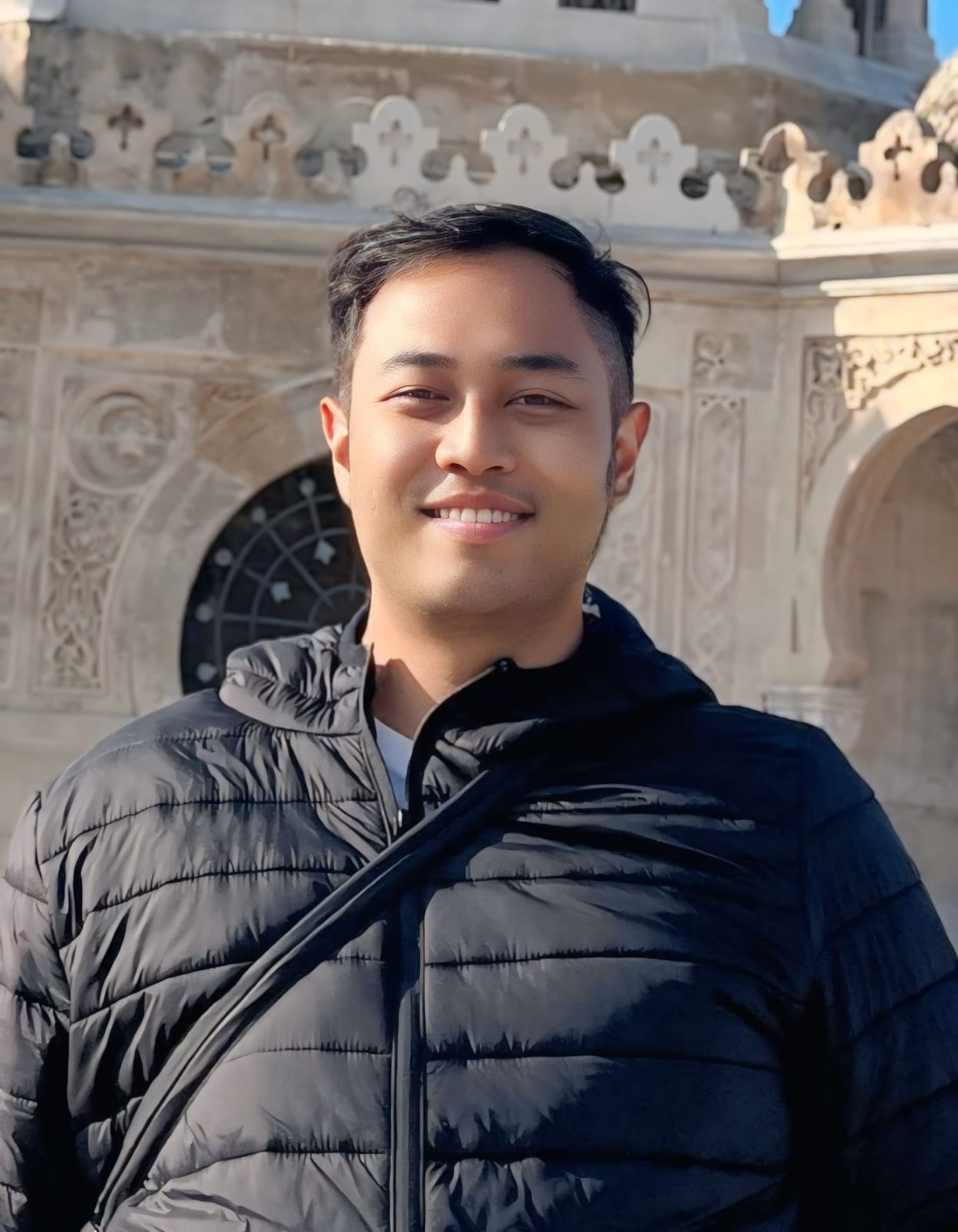
Jelajahi dunia dengan kerja di dunia pariwisata dan jangan pernah malu berani ajaaa teruss.

Saya adalah lulusan dari Manajemen Pemasaran Pariwisata tahun 2014 dengan fokus pada Hotel Manajemen. MPP UPI memberikan saya bekal akademis berskala internasional salah satunya melalui program pertukaran pelajar (AIMS). Saya juga berkesempatan untuk melalukan On The Job Training di salah satu international chain hotels yang mana memberikan saya skill di dunia professional.
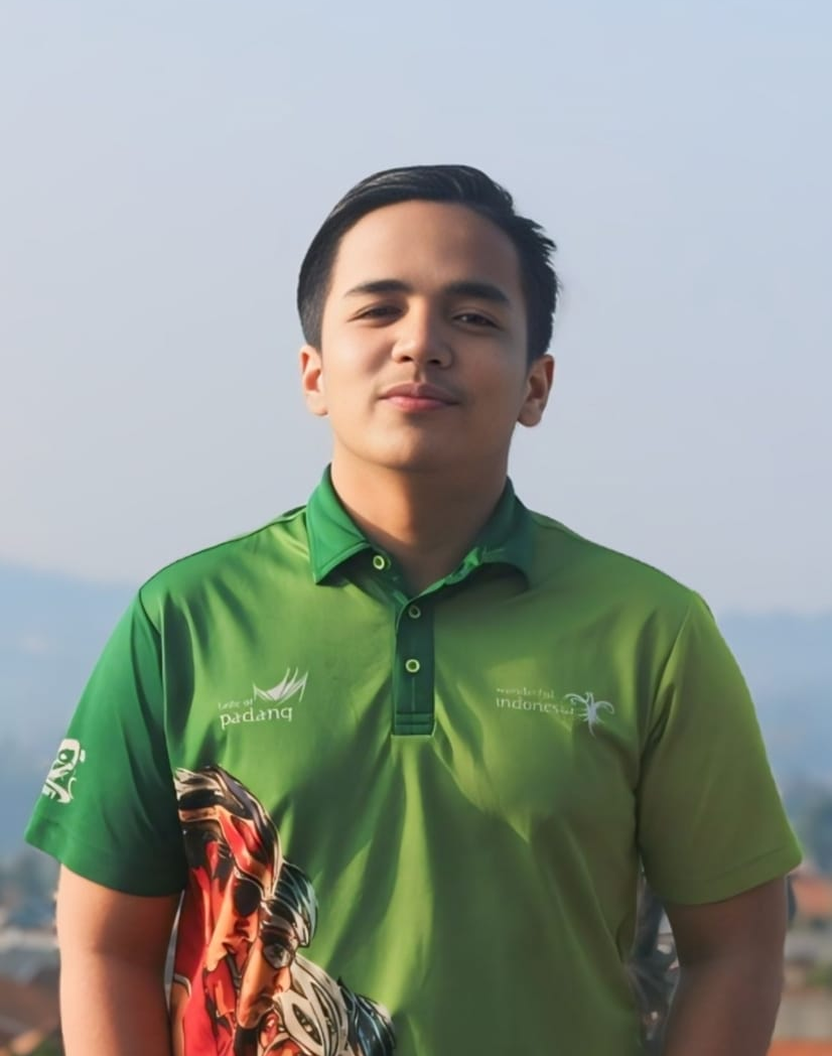
"Hidup yang tidak dipertaruhkan tidak akan dimenangkan"
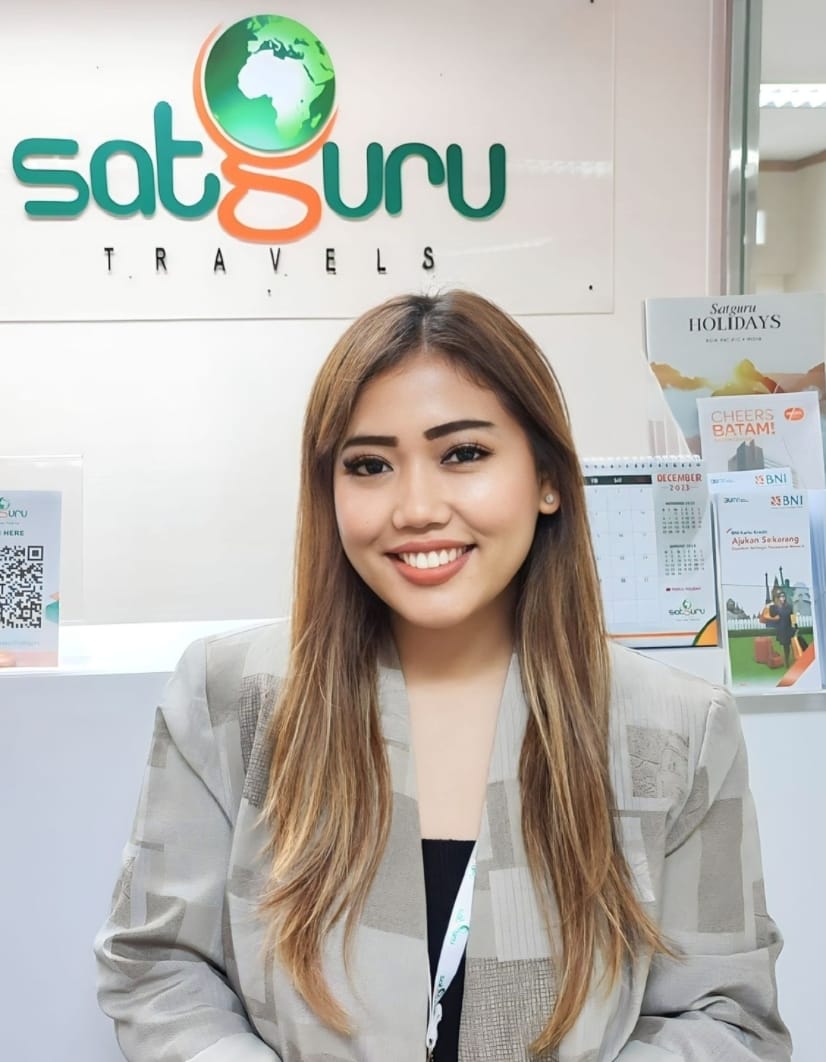
maria Magdalena, S.Par, '10
Business Development Manager, Satguru Travel and Tours.
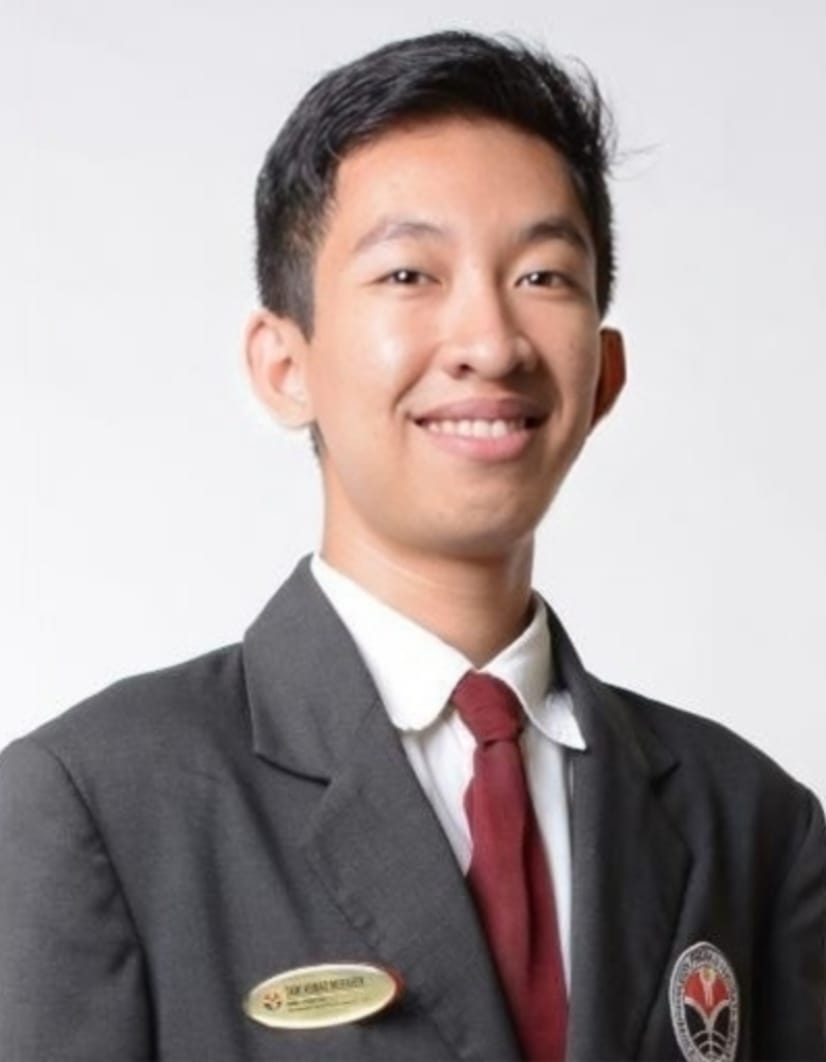
Dani Ahmad Mubarok, S.Par., '11
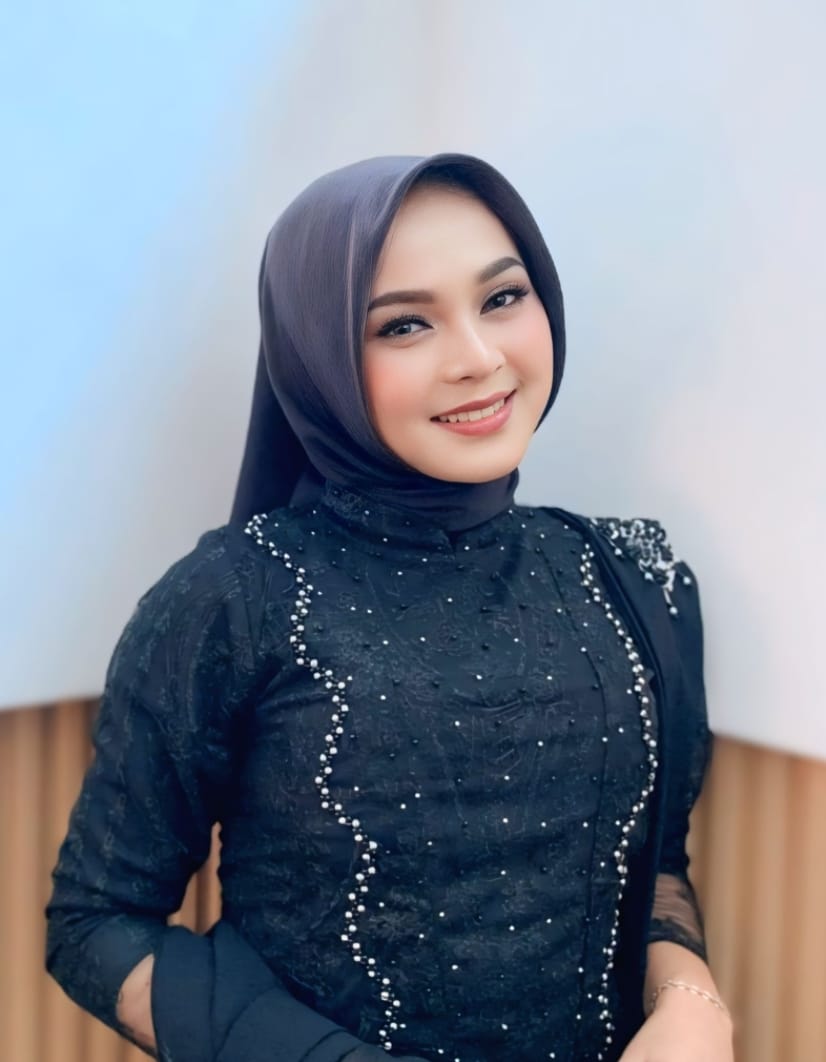
Wida Fitria, S.Par, '19
- Scientific and Ethical Attitude: Demonstrate scientific, educational, and religious attitudes and behaviors that contribute to the improvement of community, national, and state quality based on culture, norms, and academic ethics.
Theoretical Knowledge: Master the theoretical concepts of tourism marketing management, including the philosophical foundations of concepts, constructs, and theories in management, marketing, and tourism.
Research Methodology: Understand the methodological foundations of research in tourism marketing management.
Industry Knowledge: Acquire knowledge related to the operations of tourism industries and institutions, including accommodation management, food and beverage services, travel services, theme parks, event management, and the roles of destination managers and developers.
Lifelong Learning: Integrate learning capabilities, innovation, technology and information mastery, career development, and life skills to become lifelong learners.
Logical and Critical Thinking: Apply logical, critical, systematic, and innovative thinking in the development or implementation of knowledge and technology while considering humanitarian values relevant to their field of expertise.
Strategic Decision-Making: Apply logical, critical, systematic, and innovative thinking in strategic decision-making within tourism marketing through environmental analysis, formulation, implementation, and evaluation of strategies.
Knowledge Development: Analyze developments in the field of tourism marketing management.
Problem Solving: Address social, economic, and environmental issues systematically, logically, and responsibly while adhering to the Global Code of Ethics for Tourism.
Supervisory Techniques: Apply supervisory techniques to processes and outcomes in tourism marketing management industries and institutions.
Scientific Design: Design ideas or scientific studies on the development of tourism marketing management, presented as theses or scholarly publications.
Technological Utilization: Wisely utilize technology in tourism to convey information and solve problems.
Marketing Strategy Design: Design effective and efficient tourism marketing strategies.
Business Feasibility Studies: Design innovative tourism business feasibility studies that have a positive impact on the economy, socio-culture, or the environment.
Effective Communication: Apply effective communication practices in tourism marketing management professions, respecting cultural differences.
Admissions
The selection path for new students in 2025 includes National Selection Based on achievement (SNBP), National Selection Based on tests (SNBT) and independent selection.
Students who want to continue their studies in the Tourism Marketing Management Study program can go through 3 admission channels in accordance with government policies regarding new student admission programs for state universities that are held annually.

By following this path, prospective students who are selected Grade 12 students are reviewed for their achievements based on learning records or semester report cards grades 1 – 5, portfolios, and other academic achievements. Generally, student achievement will be recorded by the school next, submitted as an outstanding student by the school to be reviewed whether it can follow the SNBP path by the SNPMB PTN 2023 team. Code: 334049 Name: Tourism Marketing Management Degree: Bachelor
Prospective students will take part in the selection based on tests along with the national scale. This selection is based on the results of computer-based scholastic test scores. There are seven subtests of material that will be tested in the scholastic potential Test (TPS) which include general Reasoning Ability, Quantitative Ability, General Knowledge and understanding, ability to understand reading and writing, mathematical reasoning, Indonesian literacy, and English literacy.
Code: 334049
Name: Tourism Marketing Management
Degree: Bachelor

Regular independent selection of Universitas Pendidikan Indonesia in 2024 is a selection carried out by UPI independently which is determined based on the results of a combination of psychological test results in areas of interest, scholastic potential Test, Literacy Test (literacy in Indonesian and in English) and Mathematical Reasoning Test conducted by Universitas Pendidikan Indonesia
General requirements SM UPI participants must meet the following:
- Graduates of SMA/MA/SMK/ Package C in 2024, 2023, and 2022.
- Have physical and mental health that does not interfere with the smooth learning in the course of his choice.
Terms of Registration:
- SM UPI applicants can choose 2 (two) study programs in the same or different interest groups, namely educational and/or non-educational interest areas.
- Registration is done online on the site https://pmb.upi.edu
- Deposited fund at the bank cannot be requested back.
- Each applicant is only given one opportunity to register online.
- If the participant wants to change the choice of study program after the registration process is completed, then the applicant must do the process from the beginning and make the registration fee payment back to the bank.
- Fill out a statement of willingness to pay tuition fees and upload it to the SM UPI registration process.
Learning Hub
The Tourism Marketing Management study program adopts various effective learning methods to prepare students for the challenges of the tourism industry. It combines management concepts and theories with marketing principles, which are then specifically applied in the context of the tourism industry.
The teaching and learning process is designed to stimulate students to think critically, explore, innovate, and experiment using various learning resources facilitated by both the study program and the university. Faculty members are given the flexibility to utilize methods, learning tools, and technologies to optimize the teaching and learning experience, ensuring that student engagement is central to a two-way educational process.
The Tourism Marketing Management Study Program adopts various effective teaching methods to prepare students for the challenges of the tourism industry. It integrates management concepts and theories with marketing principles, which are specifically applied within the context of the tourism sector. This process encourages critical thinking, exploration, innovation, and experimentation among students, supported by diverse learning references provided by both the study program and the university. Faculty members have the freedom to use different methods, learning tools, and technologies to enhance the learning experience, ensuring that the educational approach is interactive and focused on students' needs.

This method is one of the most widely used in Student-Centered Learning as it focuses on collaborative learning, negotiation, communication, and leadership. It aims to stimulate students' creativity in generating innovative solutions to achieve a common goal.
This method is used as a form of applying the concepts and theories that students have learned in class by working both in groups and independently to complete a project. This project may involve market analysis, marketing planning, consumer research, or the development of tourism marketing strategies.

Faculty members are given the freedom to use various methods and technologies that can enhance the quality of the teaching and learning process, making the learning experience more engaging and stimulating in a student-centered approach. To better understand the implementation of the Student-Centered Learning approach, the following table summarizes the methods used in the Semester Learning Plan (RPS).
A method we commonly used in daily learning activities to discuss lecture topics aimed at enhancing students' interpersonal skills for collaboration, allowing them to engage with the material more critically and analytically.
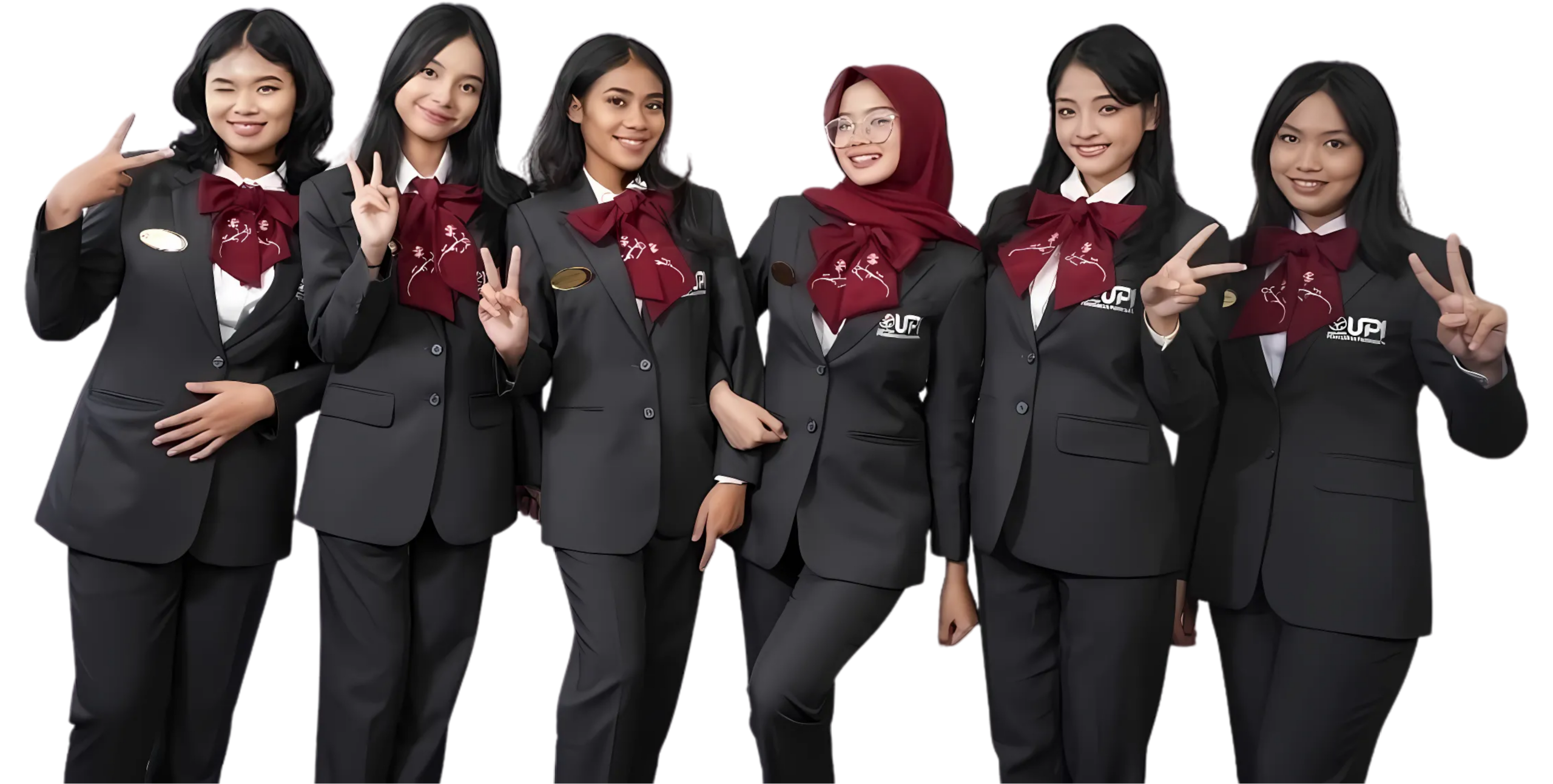
Using this method, students will learn to tackle cases and challenges in the tourism industry, starting from problem identification, formulating solutions, and making informed decisions based on the information they gather.
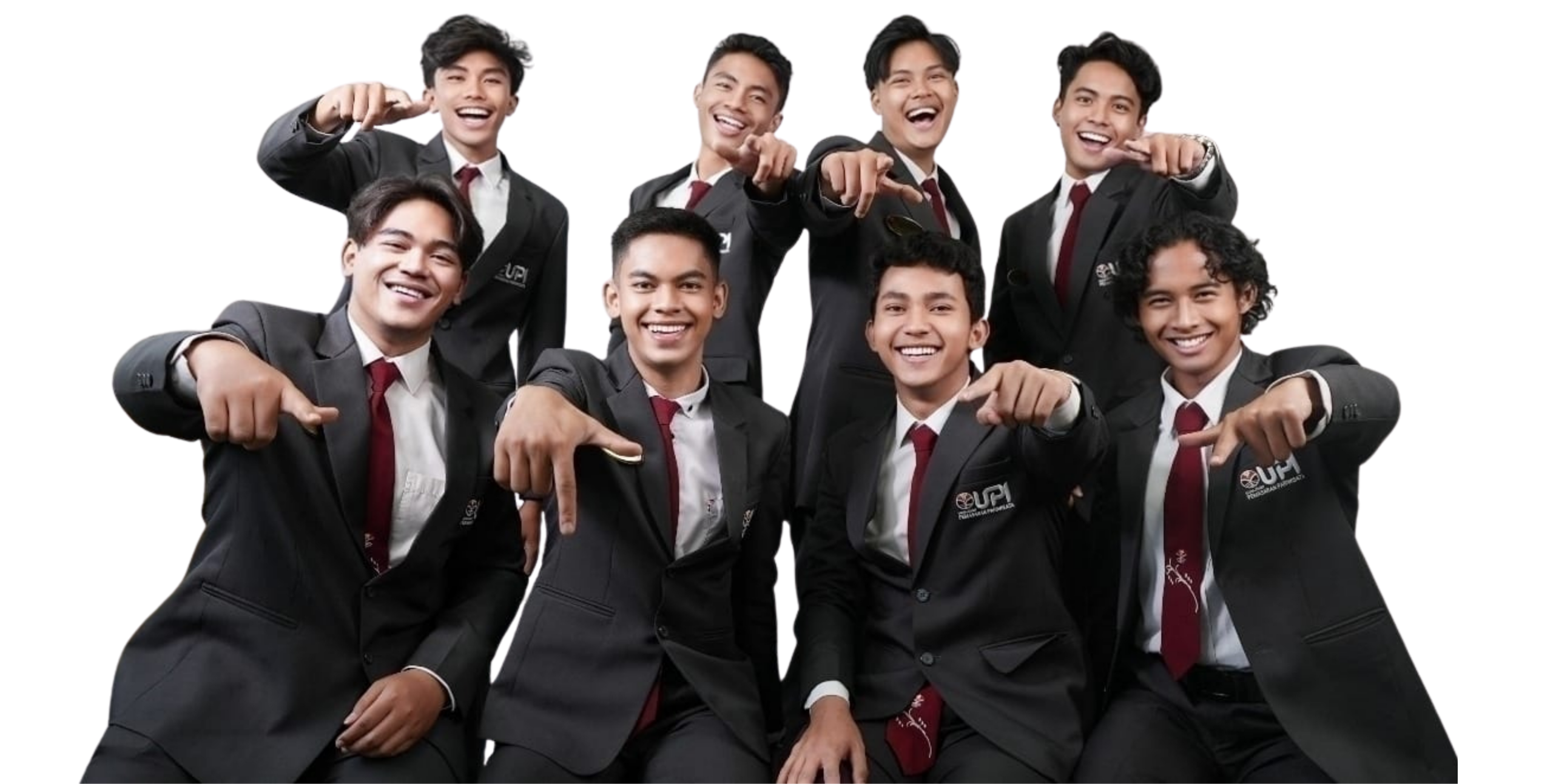
This method provides students with practical experience in facing situations and challenges relevant to the real world. Students will interact with one another and work to solve problems, address conflicts, or make decisions within learning scenarios they have previously studied theoretically.
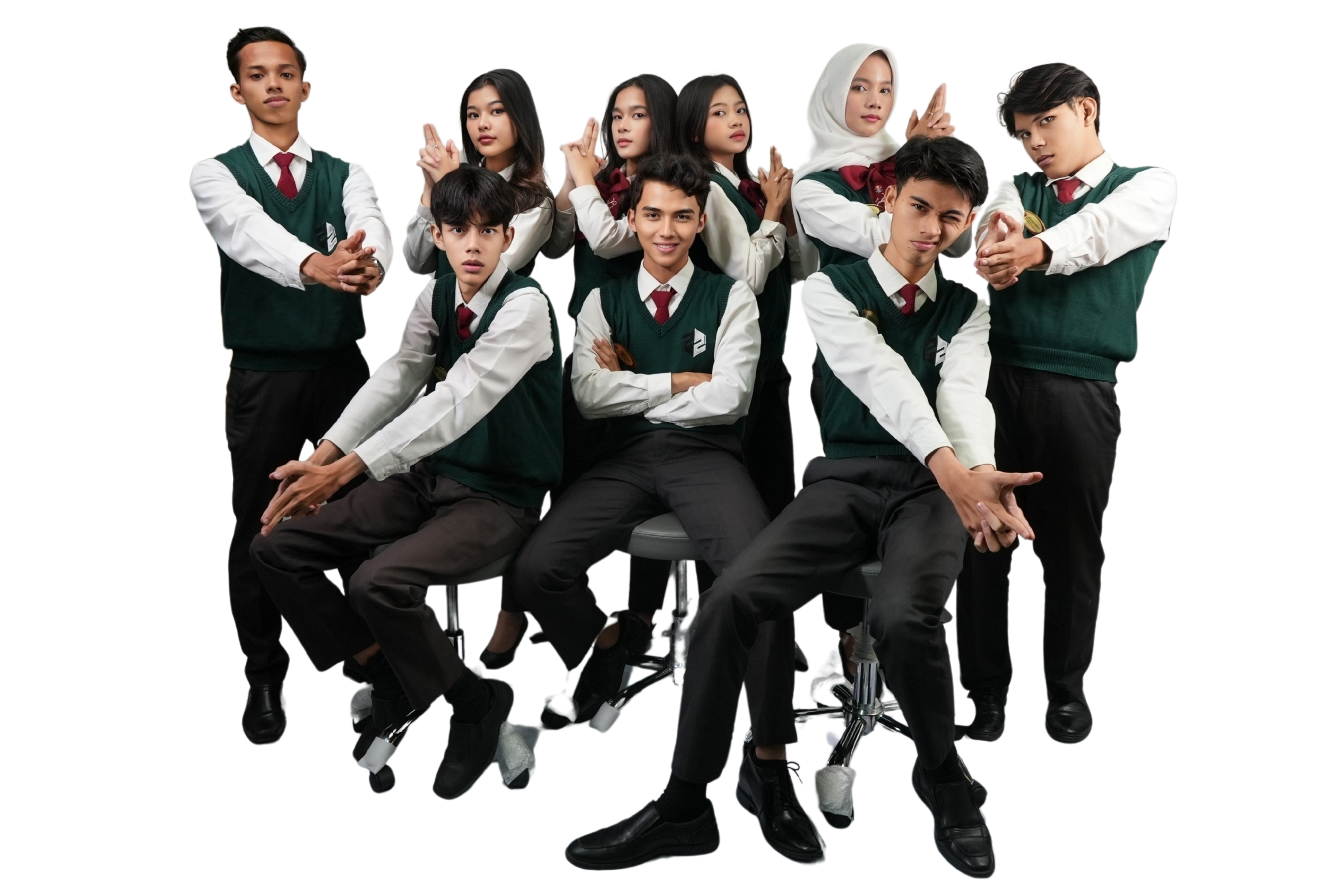
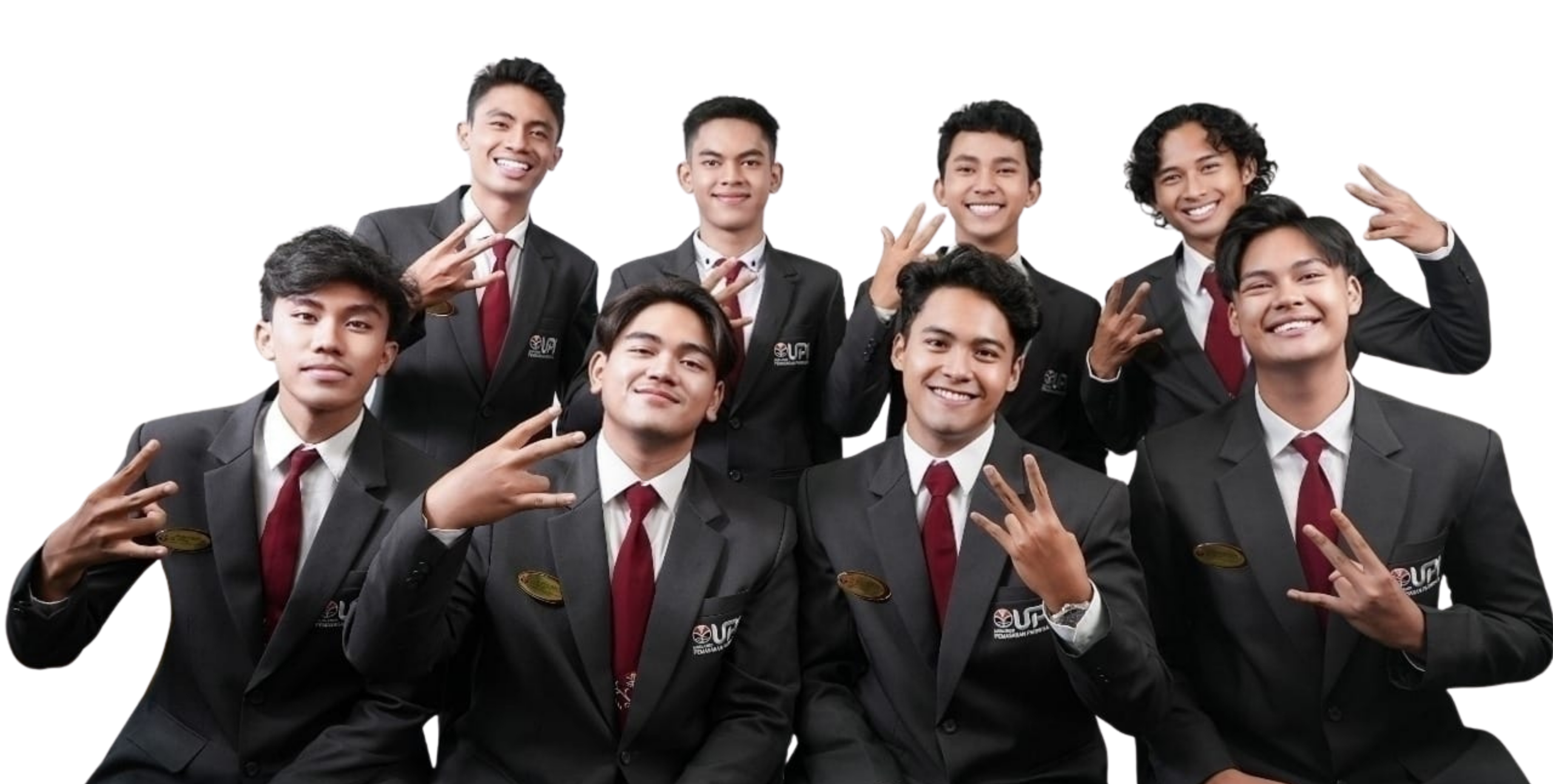
In this method, students will analyze, investigate, and seek solutions, gaining a comprehensive and detailed understanding of the learning topics. Students in the MPP program are frequently involved in various research activities and community service. By employing a combination of learning methods, the Tourism Marketing Management program provides a holistic education, enabling students to integrate theory with practice. This approach helps them develop a deep understanding of the tourism industry while honing relevant skills necessary for success in their careers within the sector.
Direktorat PKPDKBM
To enhance access to information, services, policies, guidelines, and various programs related to curriculum development, digital learning, artificial intelligence, the metaverse, and General and Teacher Education Courses administered by the Directorate of Curriculum Development, Digital Learning, Artificial Intelligence, and the Metaverse (PKPDKBM). https://dit-pkpdkbm.upi.edu/
The teaching and learning process is designed to stimulate students to think critically, explore, innovate, and experiment using various learning resources facilitated by both the study program and the university. Faculty members are given the flexibility to utilize methods, learning tools, and technologies to optimize the teaching and learning experience, ensuring that student engagement is central to a two-way educational process.
The Tourism Marketing Management Study Program adopts various effective teaching methods to prepare students for the challenges of the tourism industry. It integrates management concepts and theories with marketing principles, which are specifically applied within the context of the tourism sector. This process encourages critical thinking, exploration, innovation, and experimentation among students, supported by diverse learning references provided by both the study program and the university. Faculty members have the freedom to use different methods, learning tools, and technologies to enhance the learning experience, ensuring that the educational approach is interactive and focused on students' needs.
This method is one of the most widely used in Student-Centered Learning as it focuses on collaborative learning, negotiation, communication, and leadership. It aims to stimulate students' creativity in generating innovative solutions to achieve a common goal.
This method is used as a form of applying the concepts and theories that students have learned in class by working both in groups and independently to complete a project. This project may involve market analysis, marketing planning, consumer research, or the development of tourism marketing strategies.
Faculty members are given the freedom to use various methods and technologies that can enhance the quality of the teaching and learning process, making the learning experience more engaging and stimulating in a student-centered approach. To better understand the implementation of the Student-Centered Learning approach, the following table summarizes the methods used in the Semester Learning Plan (RPS).
A method we commonly used in daily learning activities to discuss lecture topics aimed at enhancing students' interpersonal skills for collaboration, allowing them to engage with the material more critically and analytically.
Using this method, students will learn to tackle cases and challenges in the tourism industry, starting from problem identification, formulating solutions, and making informed decisions based on the information they gather.
This method provides students with practical experience in facing situations and challenges relevant to the real world. Students will interact with one another and work to solve problems, address conflicts, or make decisions within learning scenarios they have previously studied theoretically.
In this method, students will analyze, investigate, and seek solutions, gaining a comprehensive and detailed understanding of the learning topics. Students in the MPP program are frequently involved in various research activities and community service. By employing a combination of learning methods, the Tourism Marketing Management program provides a holistic education, enabling students to integrate theory with practice. This approach helps them develop a deep understanding of the tourism industry while honing relevant skills necessary for success in their careers within the sector.

Novi Maria Auxiliadora Barreto Ima Kefi '24, Timorense
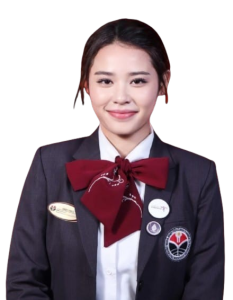
Abby Yanti Greene, '22, USA
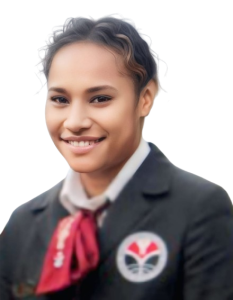
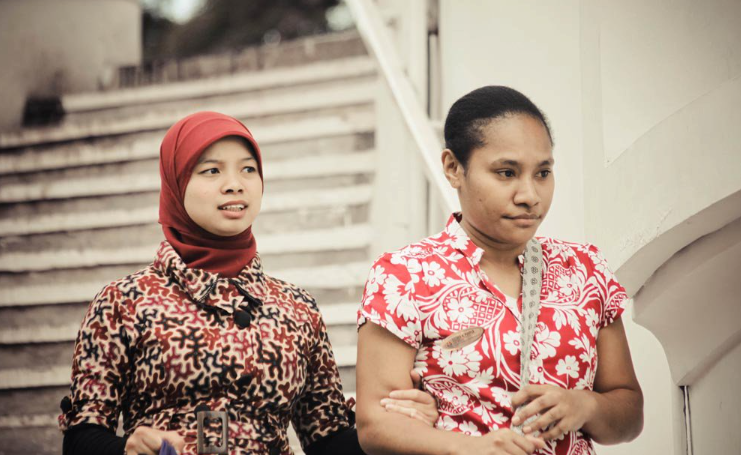
Esther Fuapla, '09, Papua New Guinea
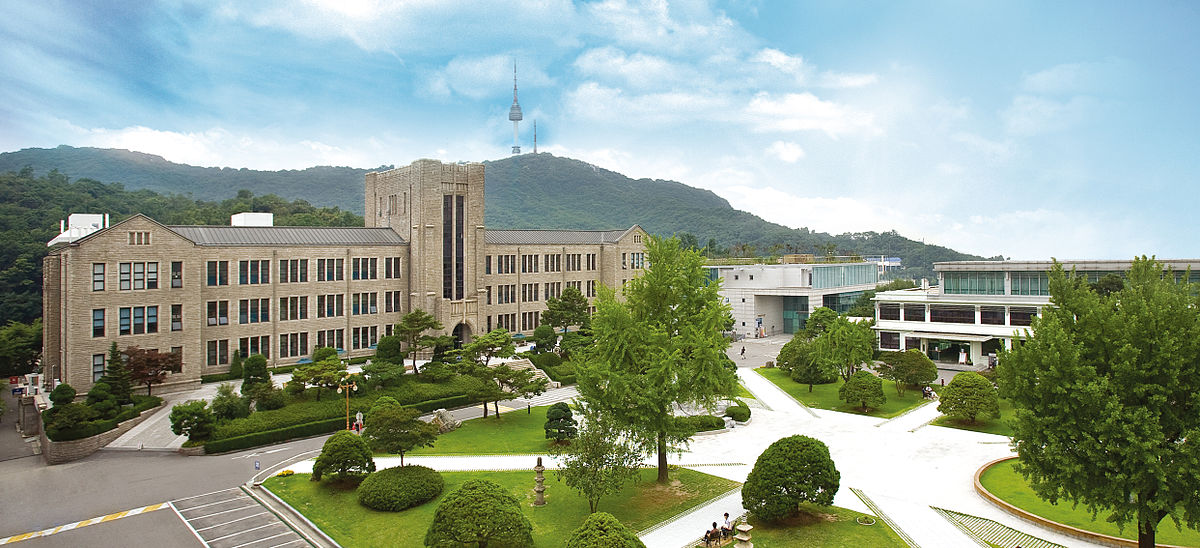
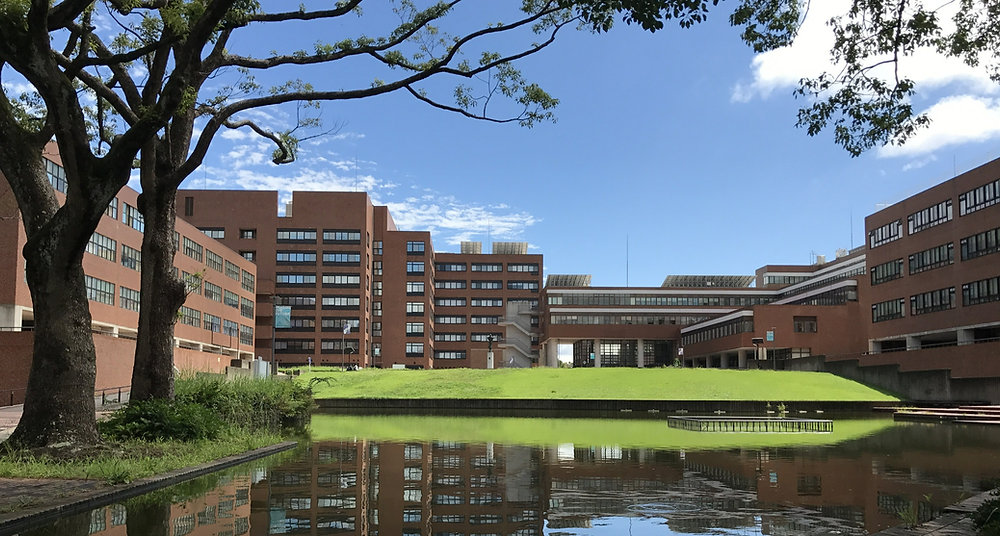
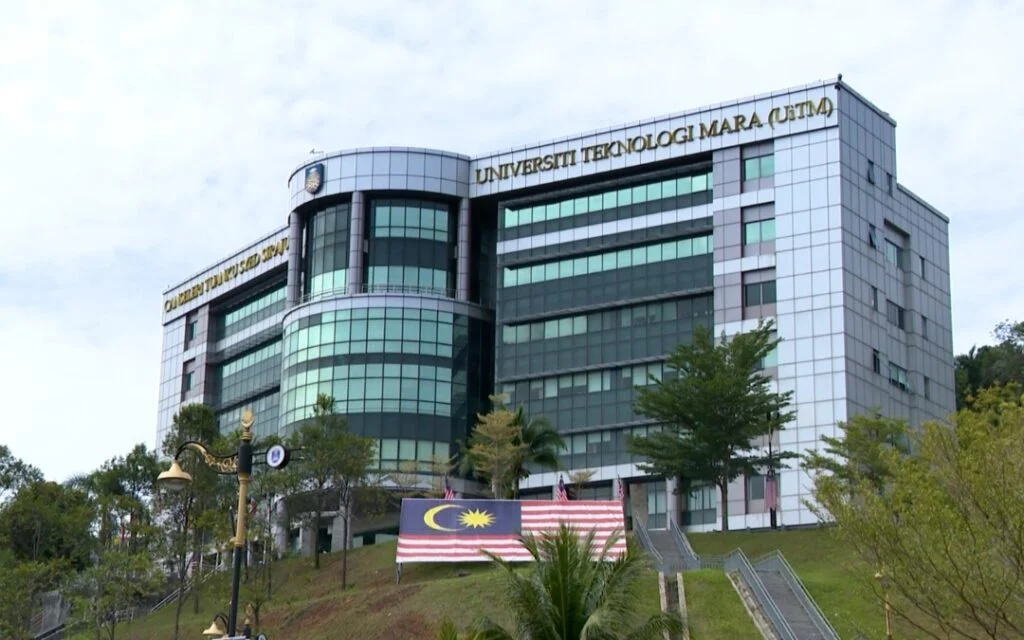
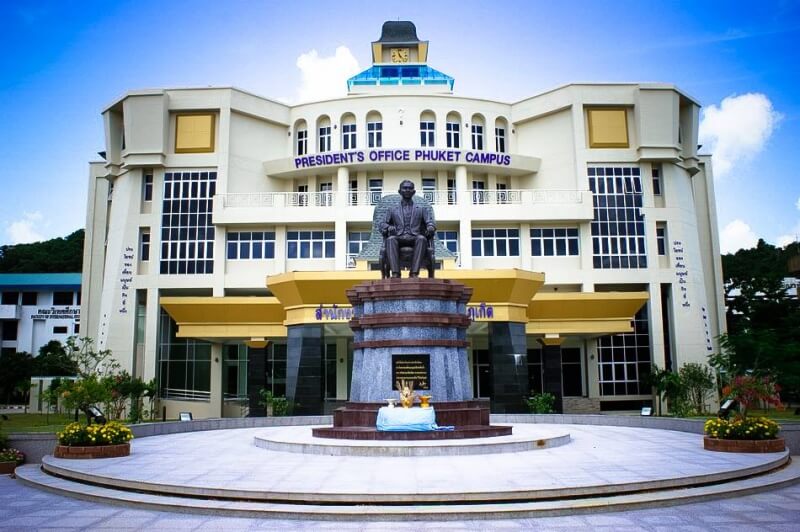
Asia-International Mobility Students Exchange
- Curriculum Vitae
- TOEFL/TOEIC/IELTS Certificate (minimum score 450)
- The most recent academic transcripts
- Essay on tourism in English
- Scan of first page passport documents
The AIMS Program was launched in 2010 by SEAMEO RIHED as a pilot project with the participation of Malaysia, Indonesia and Thailand. Since 2010, a total of more than 5,000 students have participated in the AIMS Program. The AIMS Program has expanded significantly over the past decade to include 9 member countries and 78 participating universities, offering undergraduate students an exchange for one semester in one of 10 disciplines. The AIMS Program operates on the basis of self-sufficiency as well as balanced mobility and reciprocity. Based on these principles, the Program provides flexibility for all Member States in the implementation of their mobility, ensuring sustainable and balanced regional development.
Student Exchange Non-AIMS
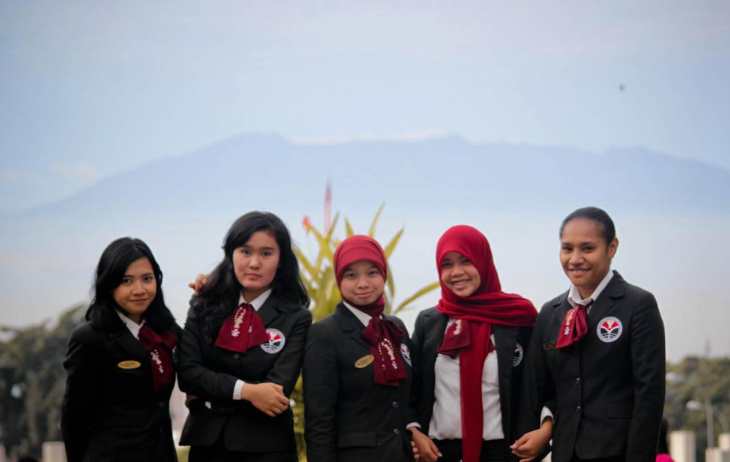
The MPP study Program also conducts student exchange programs in the last 5 years, starting from 2018 to 2022. The MPP study Program accepts 34 international students.
In addition to accepting international students, the MPP study program also sends students to universities abroad. Students who participate in exchange abroad, can still attend lectures in Indonesia online so they do not miss the courses they need to take in the country. The following is the data of MPP study program students who follow student exchange programs to other campuses abroad.
Student Activities
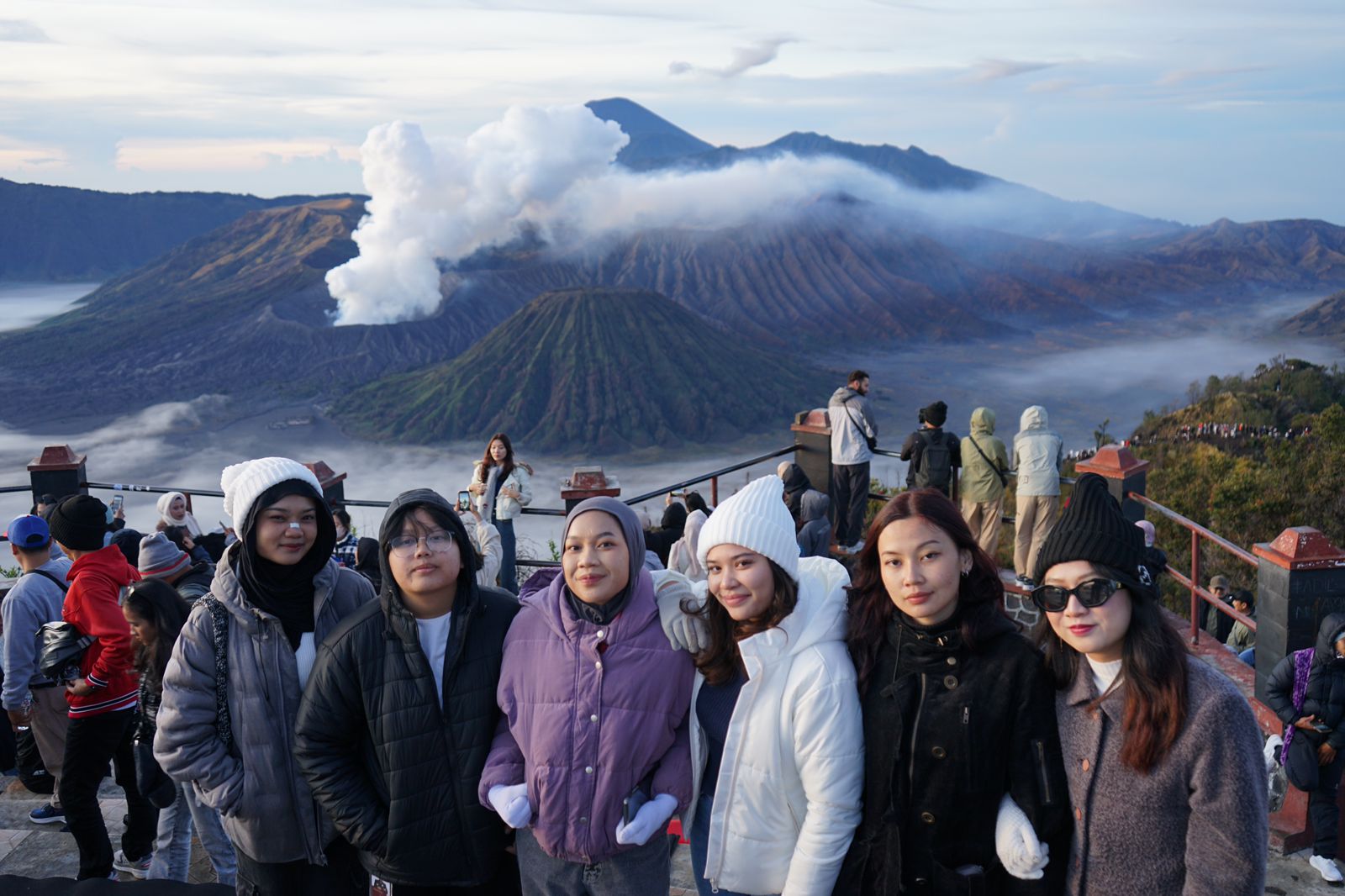
The Tourism Marketing Management Study Program facilitates its students to conduct learning outside the classroom in the form of field trips.This activity provides an opportunity for students to apply the knowledge gained in class in the form of designing a tourist trip by the students themselves.
Students will be guided to design tourist trips ranging from choosing tourist destinations, designing budget costs, to detailed itenrary which contains field practice activities for learning and research data search directly to the field.
One example of field practices that have been carried out include researching socio-cultural life in an area as well as research on the application of sustainable tourism and other things in accordance with what students have gained during college.
Student activities outside the classroom as a place to channel their hobbies in the form of extracurricular activities on campus. Students are free to choose activity units according to common interests, passions, creativity, and activity orientation.
SMEs in MPP are divided into two categories, namely sports SMEs and Arts SMEs. Every SME actively participates in the competition and has achievements, some SMEs also open up opportunities for event coordinators to invite these SMEs to perform at their events.
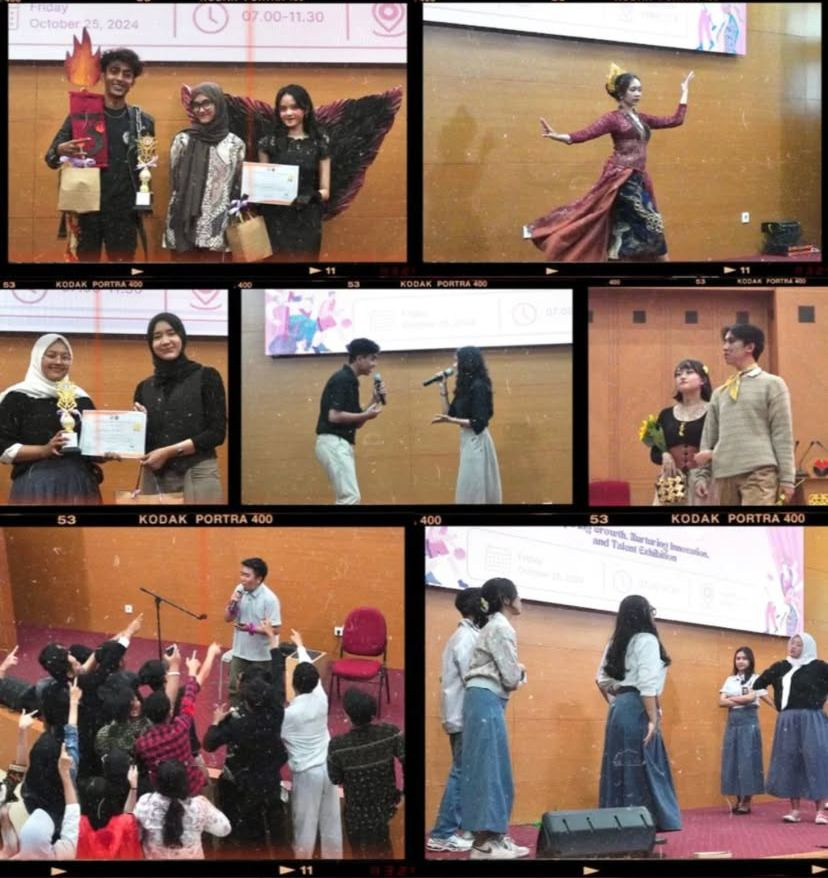
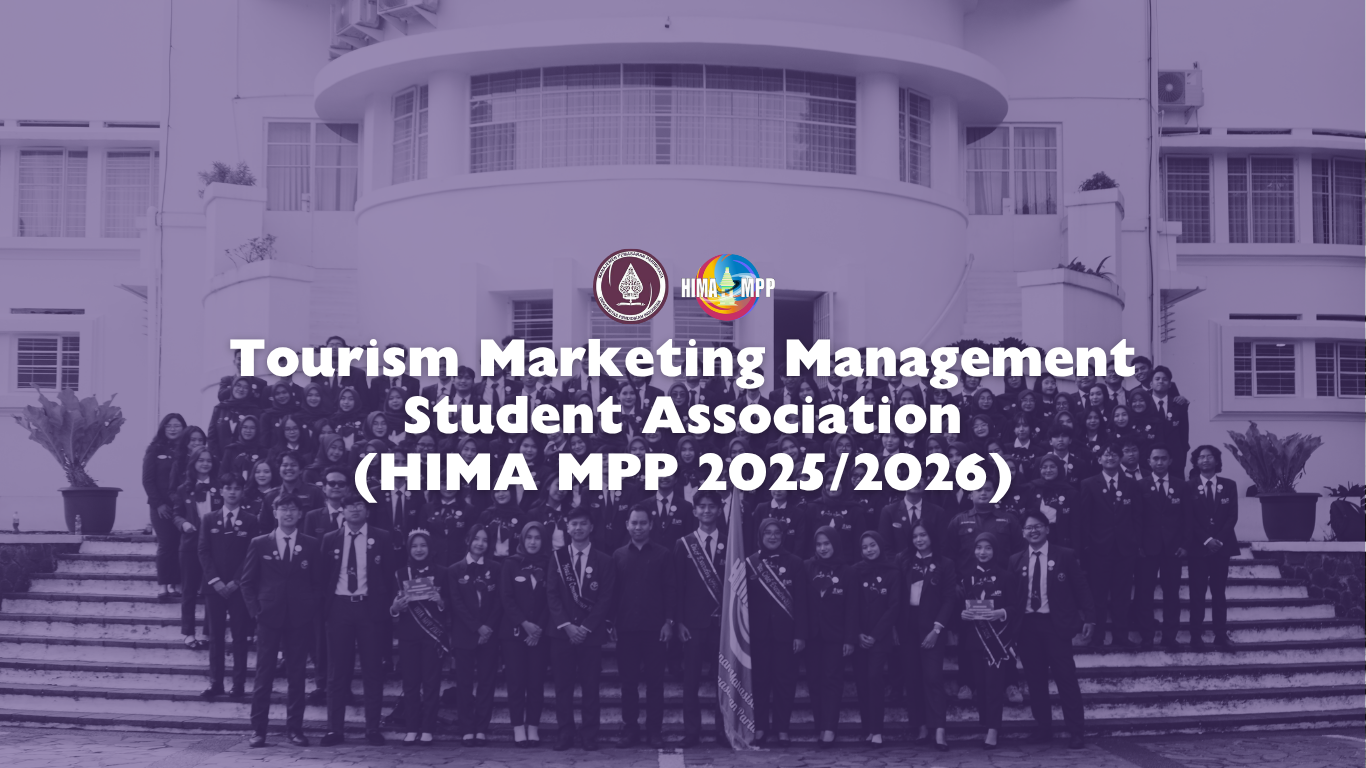
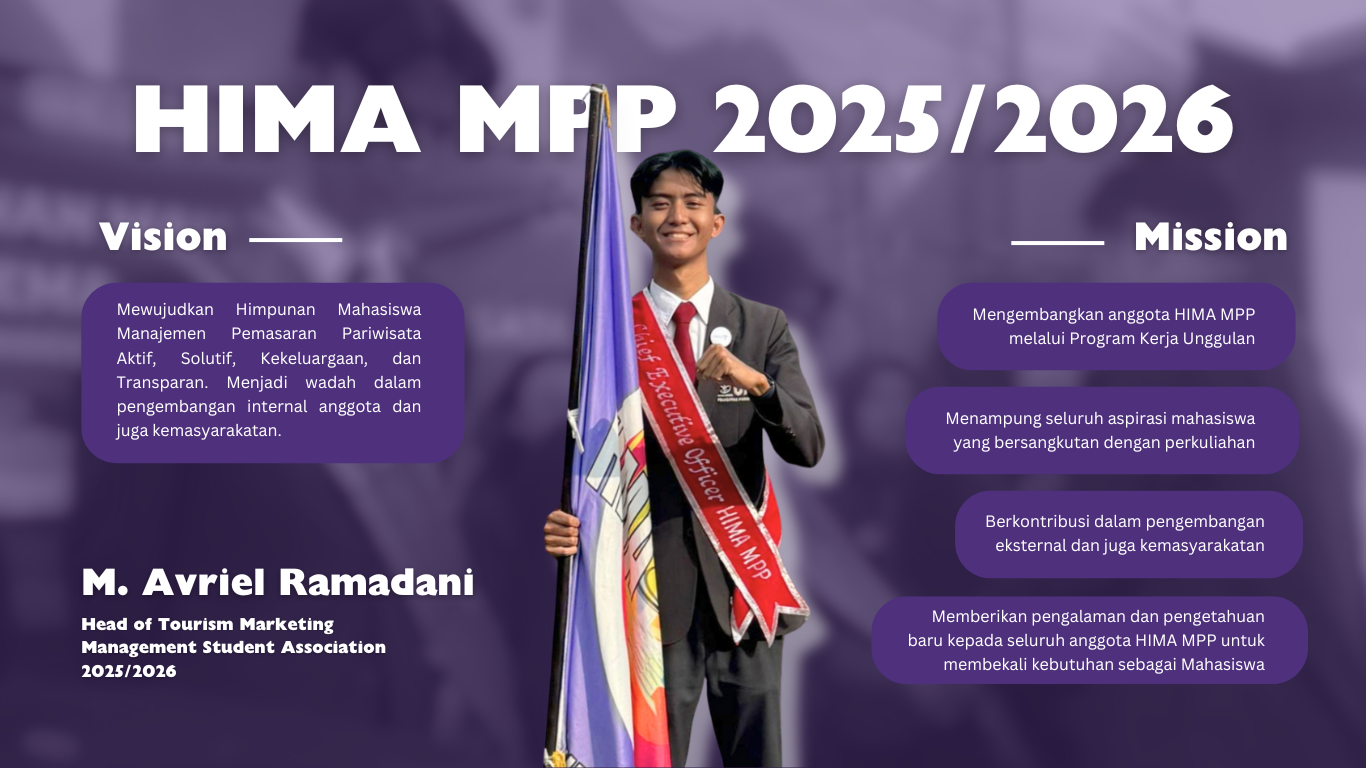
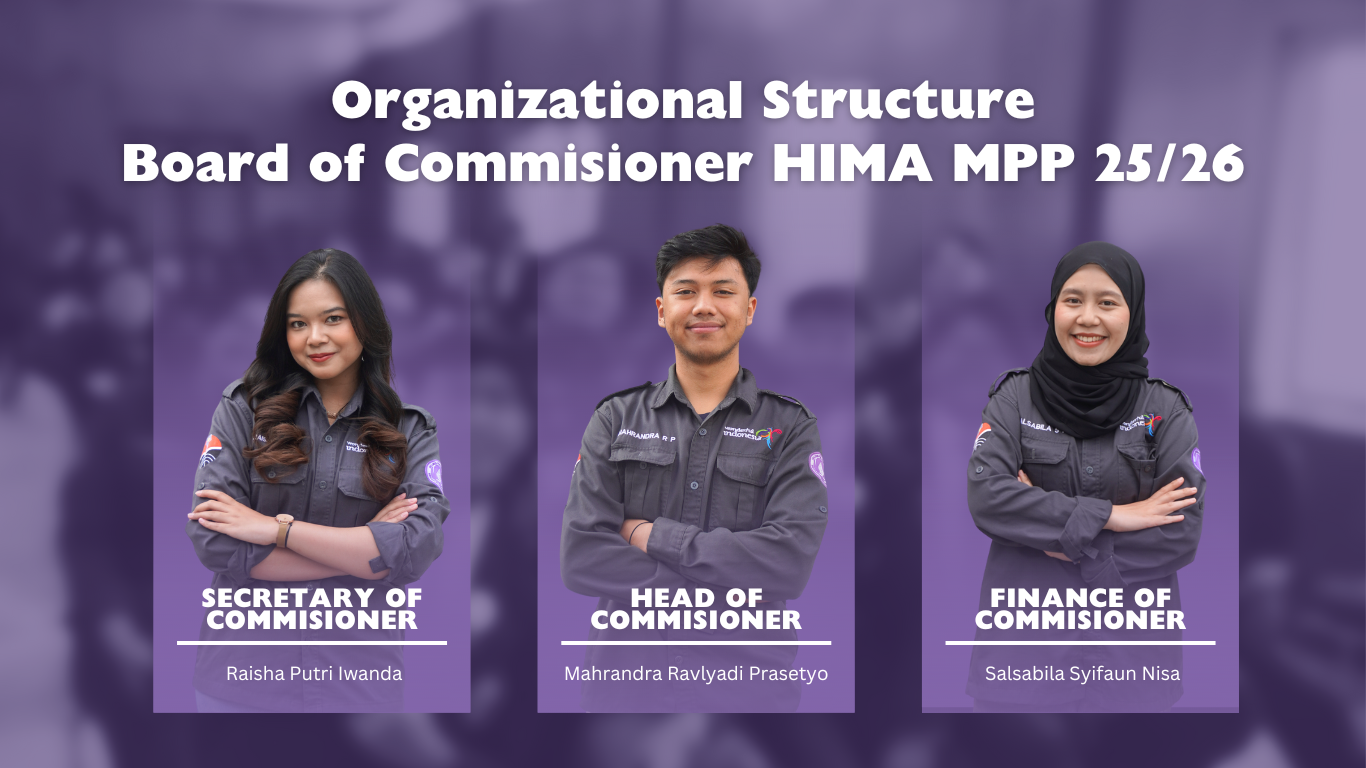
Each division in the MPP Student Association has several work programs that are carried out during one period. HIMA work programs are basically prolonged (implemented during the period of office), but for certain work programs are one time event (implemented only one day of implementation) and multiple events (implemented one day but consistently implemented with a certain time span.
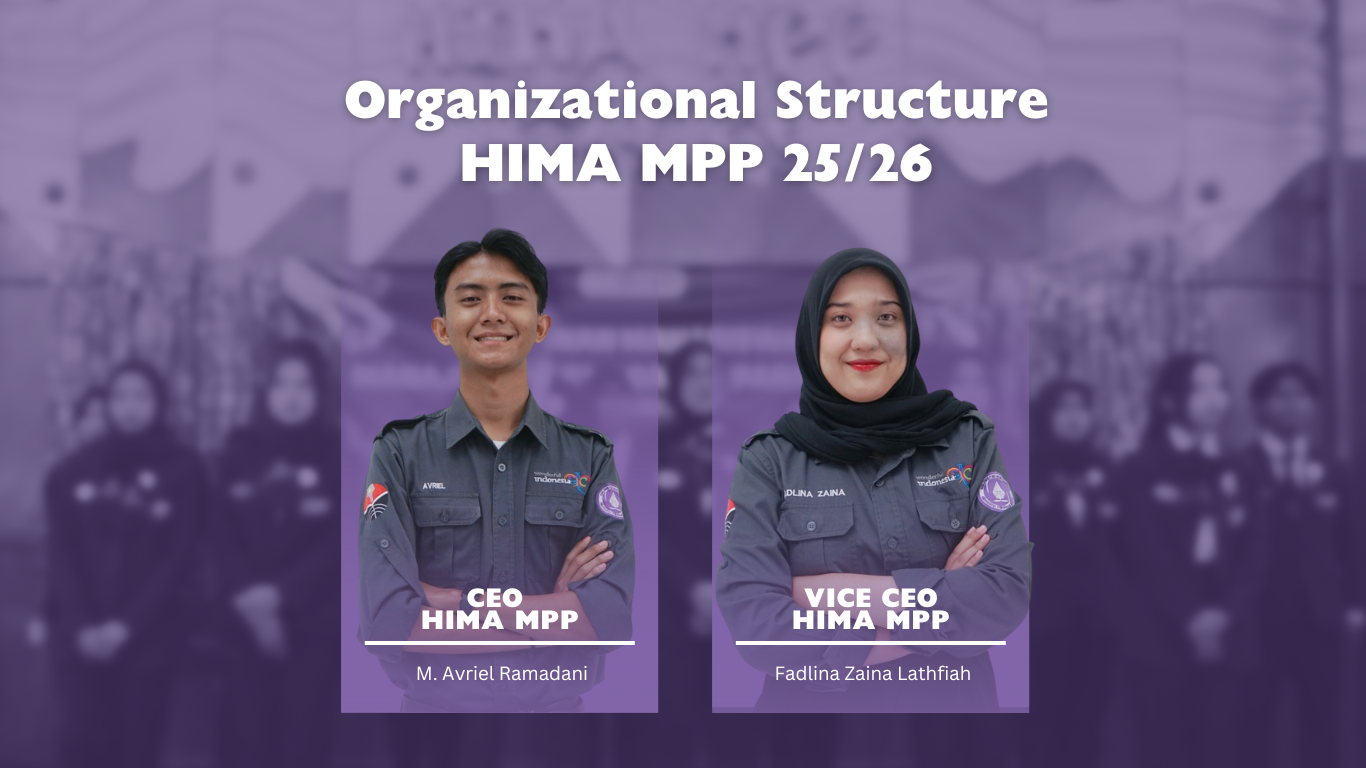
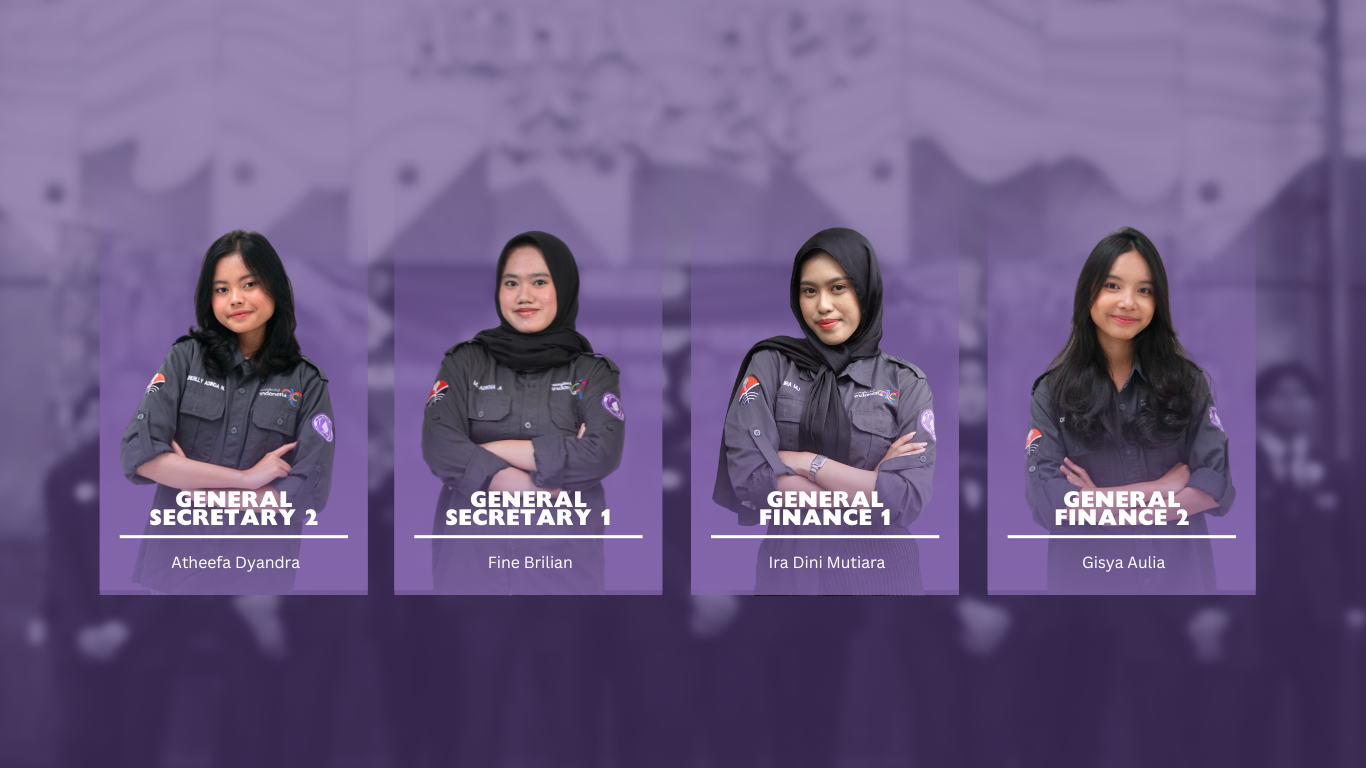
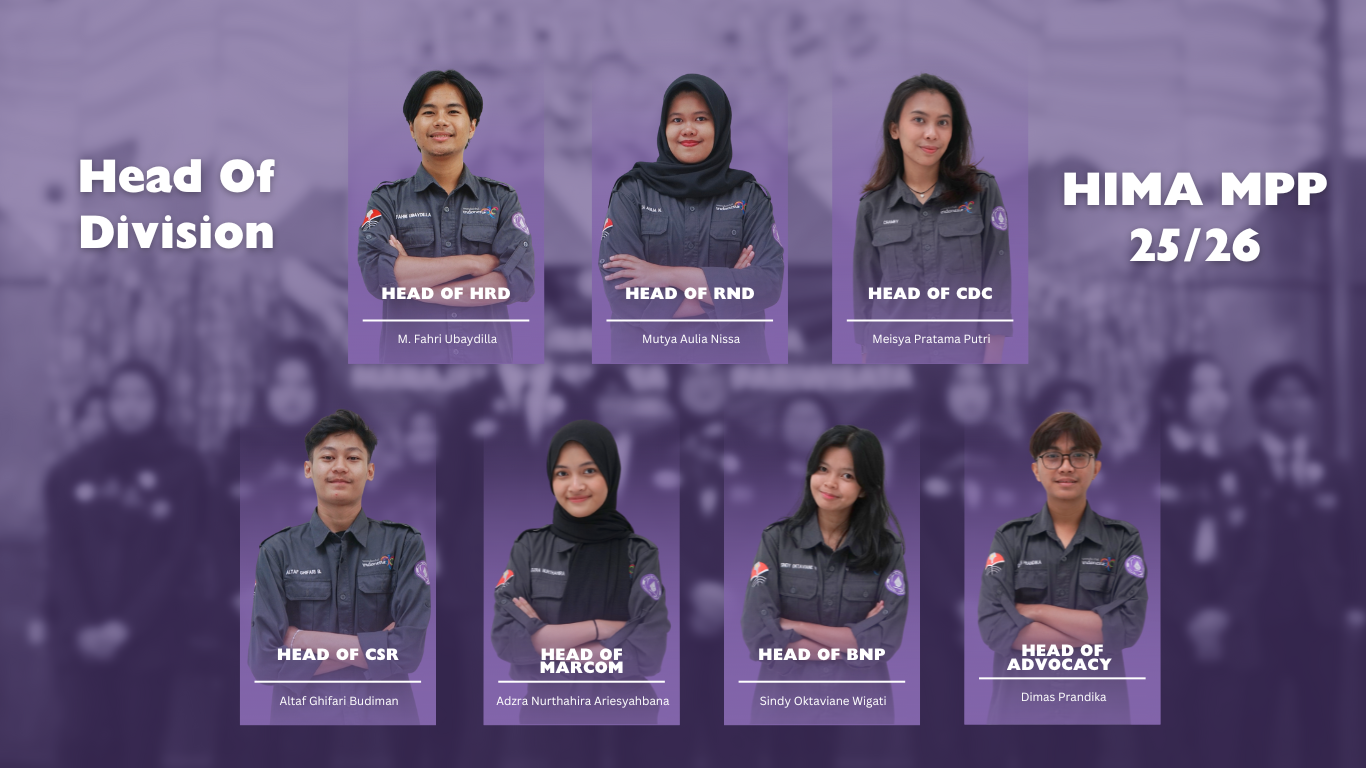
![1[1]](https://fpips.upi.edu/wp-content/uploads/2025/01/11.png "1[1]")
![2[1]](https://fpips.upi.edu/wp-content/uploads/2025/01/21.png "2[1]")
![3[1]](https://fpips.upi.edu/wp-content/uploads/2025/01/31.png "3[1]")
![4[1]](https://fpips.upi.edu/wp-content/uploads/2025/01/41.png "4[1]")
![5[1]](https://fpips.upi.edu/wp-content/uploads/2025/01/51.png "5[1]")
![6[1]](https://fpips.upi.edu/wp-content/uploads/2025/01/61.png "6[1]")
![7[1]](https://fpips.upi.edu/wp-content/uploads/2025/01/71.png "7[1]")
![8[1]](https://fpips.upi.edu/wp-content/uploads/2025/01/81-1.png "8[1]")
![10[1]](https://fpips.upi.edu/wp-content/uploads/2025/01/101.png "10[1]")
![11[1]](https://fpips.upi.edu/wp-content/uploads/2025/01/111.png "11[1]")
![12[1]](https://fpips.upi.edu/wp-content/uploads/2025/01/121.png "12[1]")
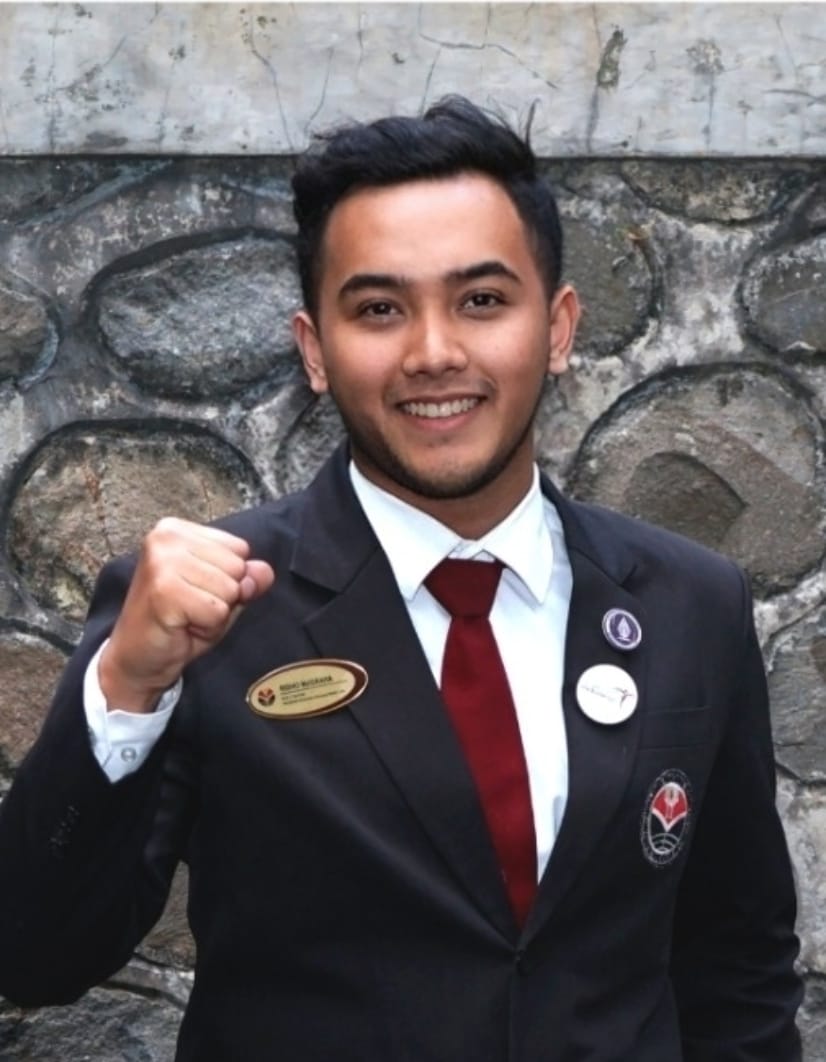
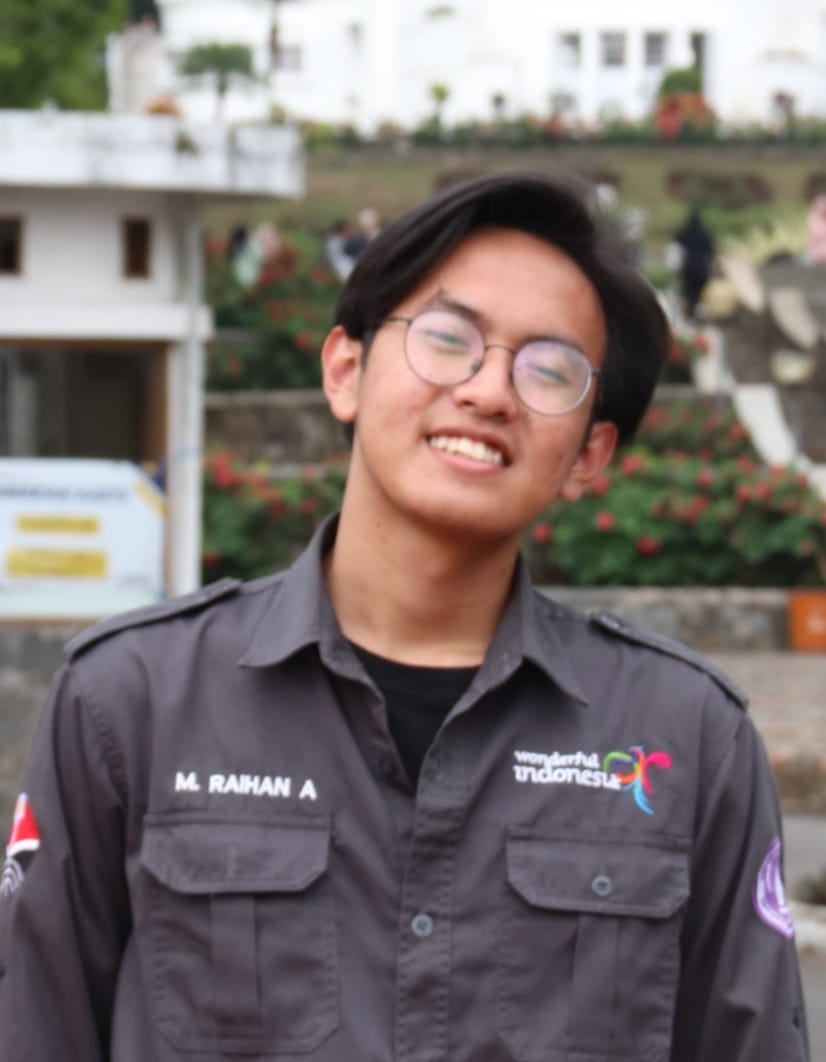
meet our CEOs
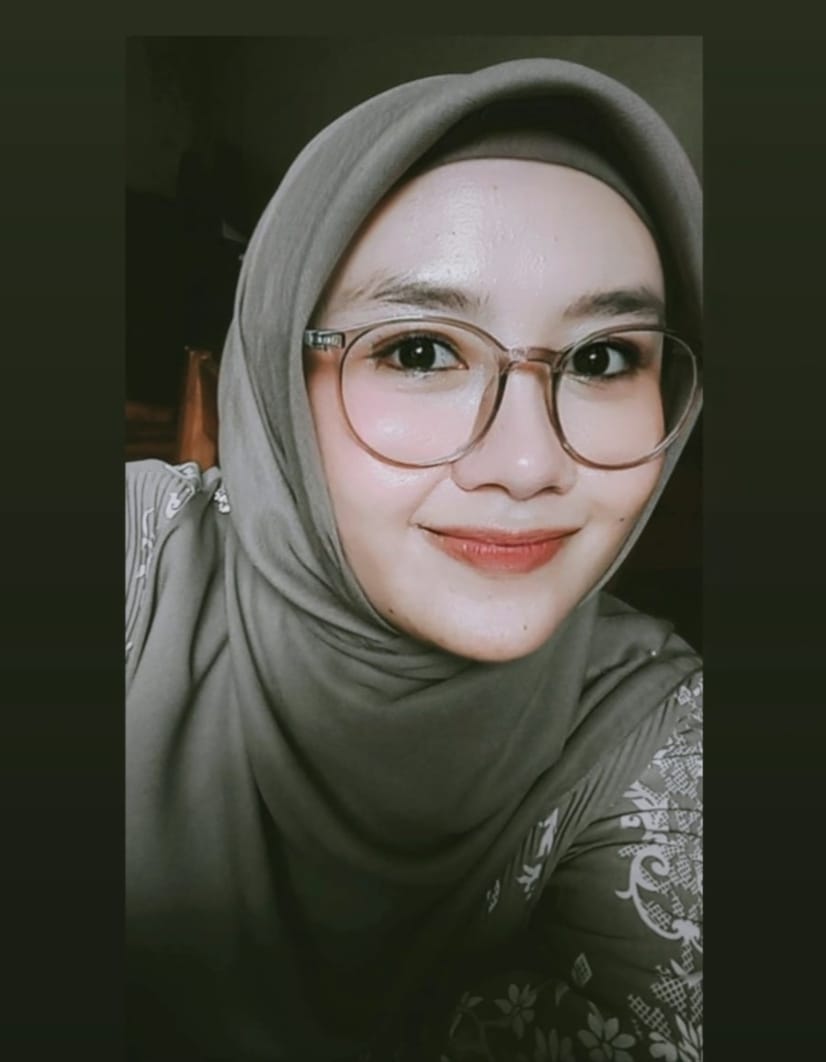
This is a funny thing about life, once you start jotting down the things you're grateful for, you start forgetting the things you lack.
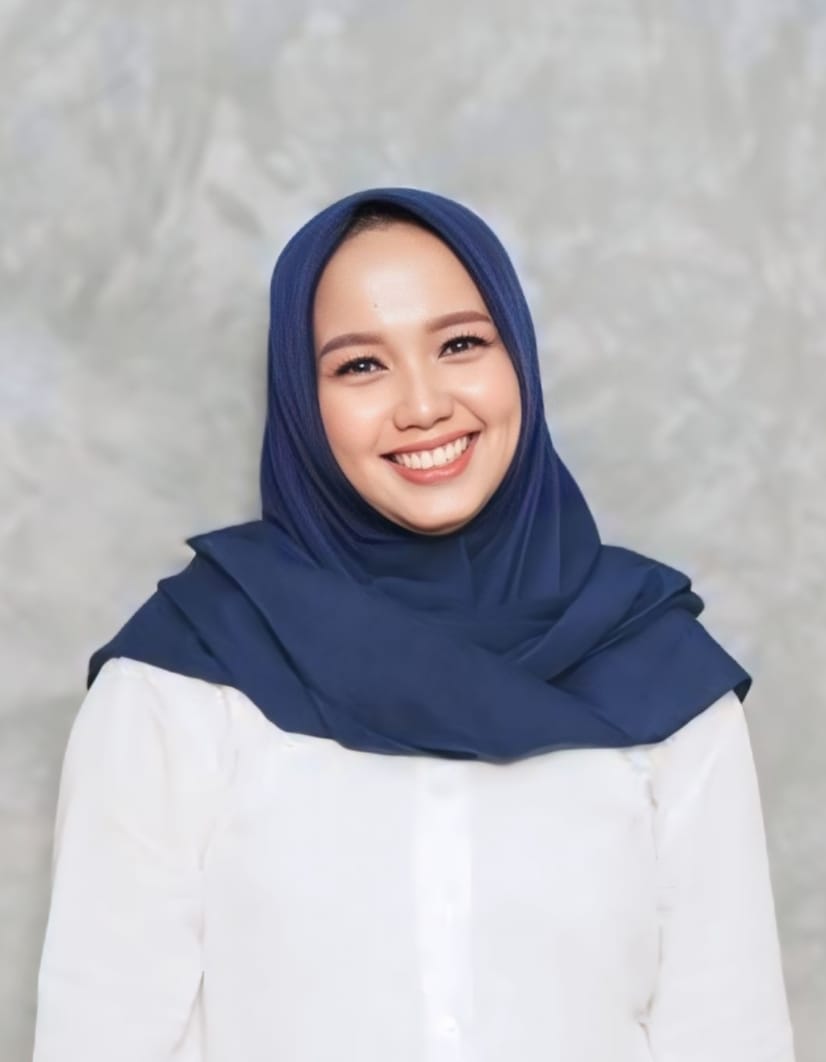
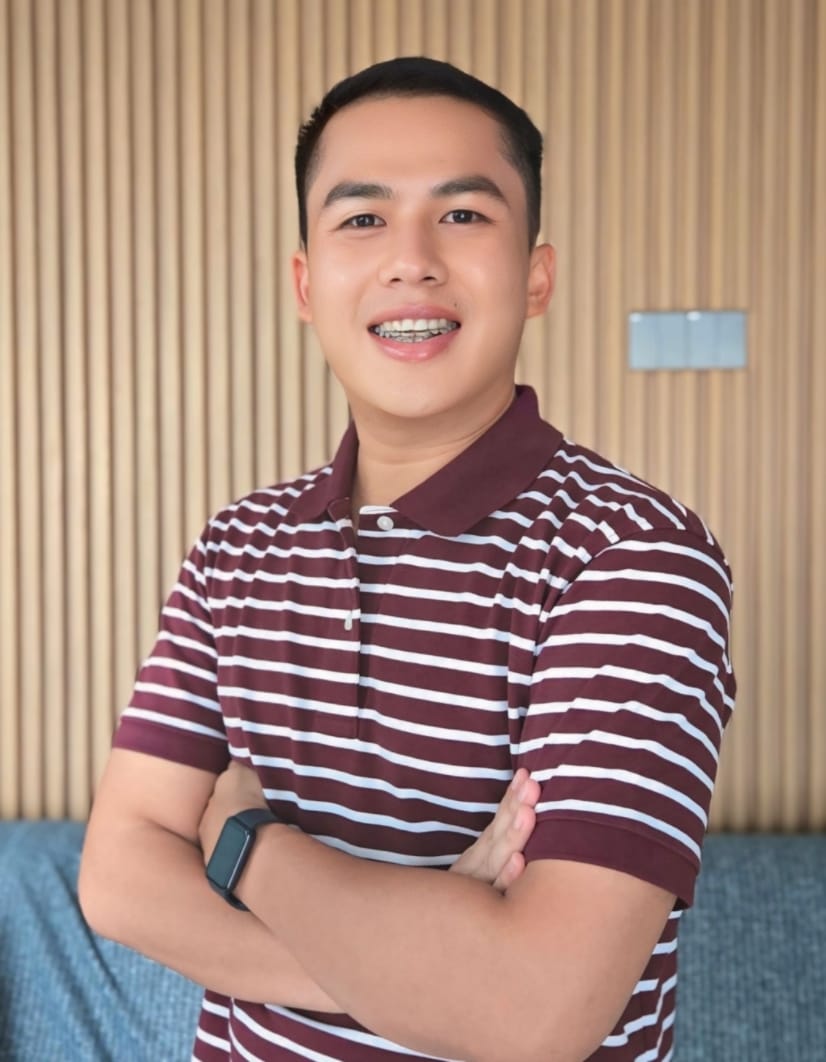
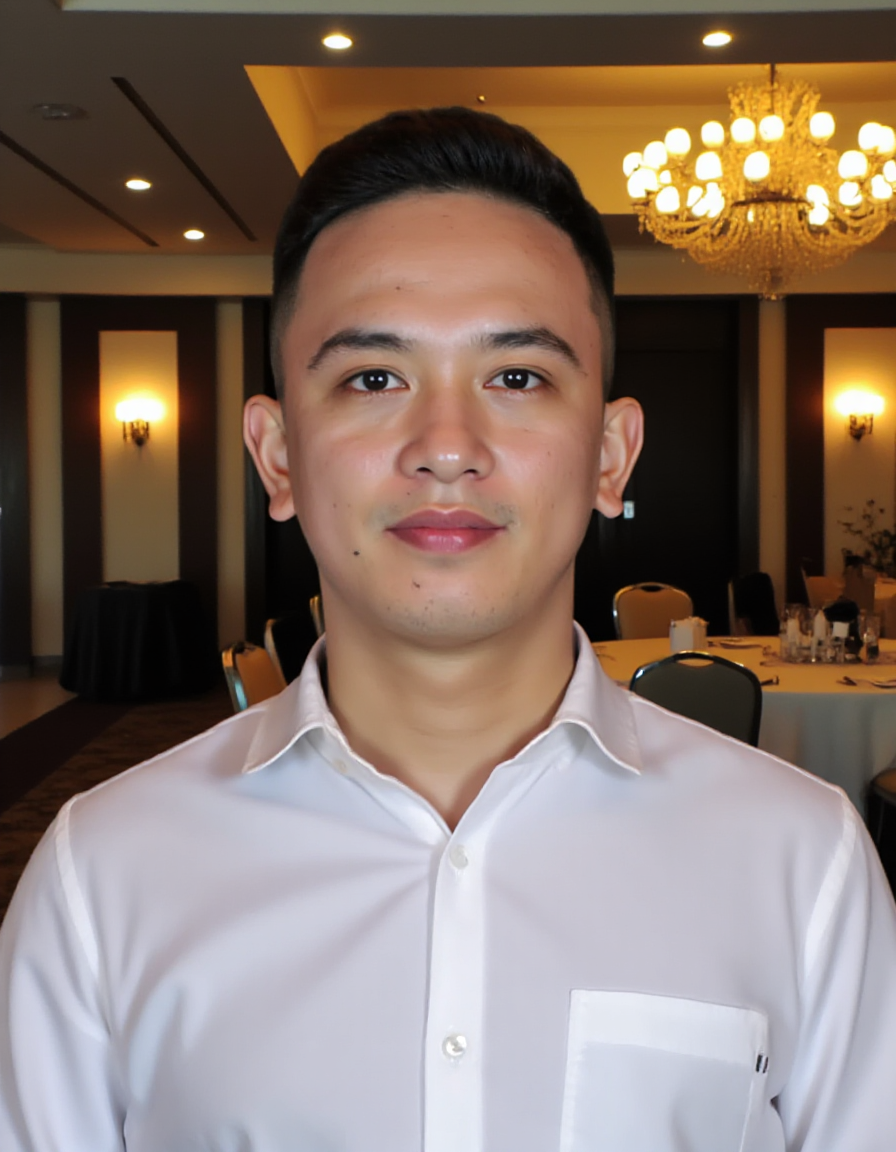
Menjadi ketua himpunan wanita pertama di MPP adalah salah satu hal terbaik dalam hidup, program-program yang terlaksana pun mendapat apresiasi baik dari ketua prodi saat itu. Angkatan 2008 yang solid dan sangat senang berada bersama orang-orang hebat. Beserta dosen yang selalu memback up kami, memberikan pandangan luas tentang arti profesionalisme dalam pekerjaan dan bagaimana attitude itu penting dalam segala aspek
terimakasih MPP 
Nurmala Dewi, S.Par., '08
CEO HIMA MPP 2010-2011


Support Systems
Facilities and infrastructure are essential elements that support teaching and learning activities, research, and other student activities on campus. The resources provided are freely available for all members of the academic community in the Tourism Marketing Management program.
The classrooms are located on the 4th and 5th floors of the faculty, with a capacity to accommodate at least 45 students. Each classroom is equipped with two whiteboards, a projector with a screen, air conditioning, and speakers to support learning activities. The rooms are cleaned daily by maintenance staff, ensuring that cleanliness and comfort are guaranteed for students during their time in the classroom.







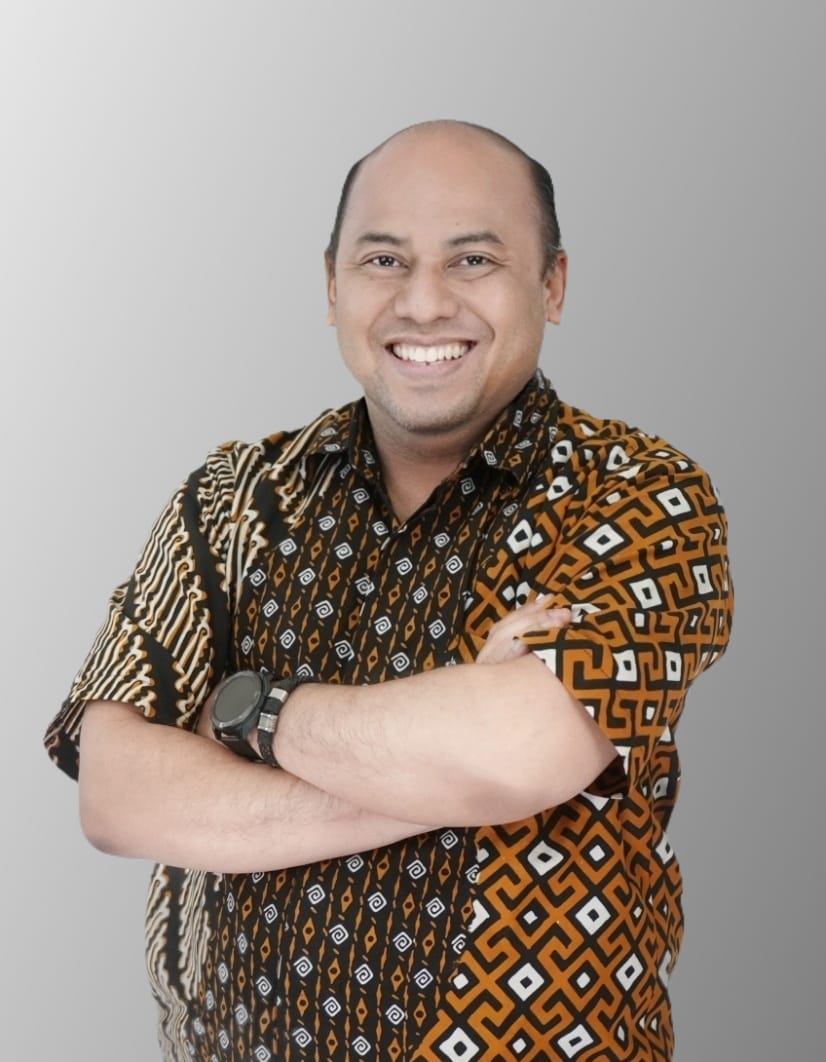
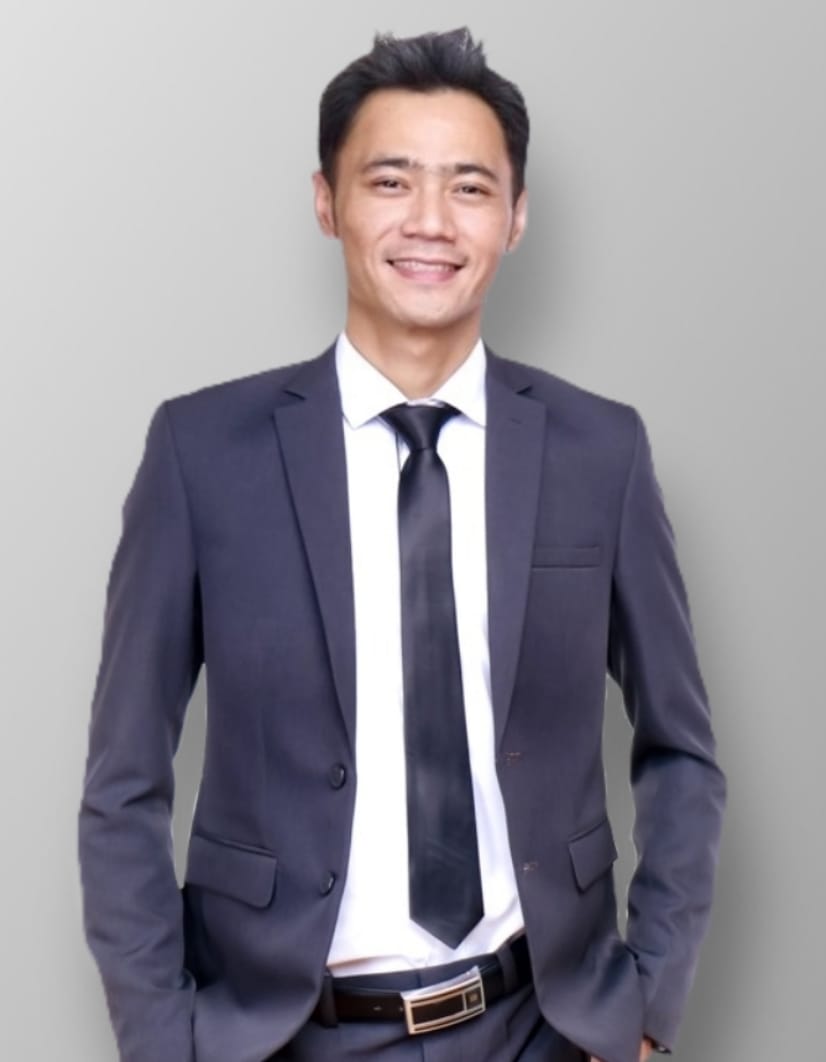
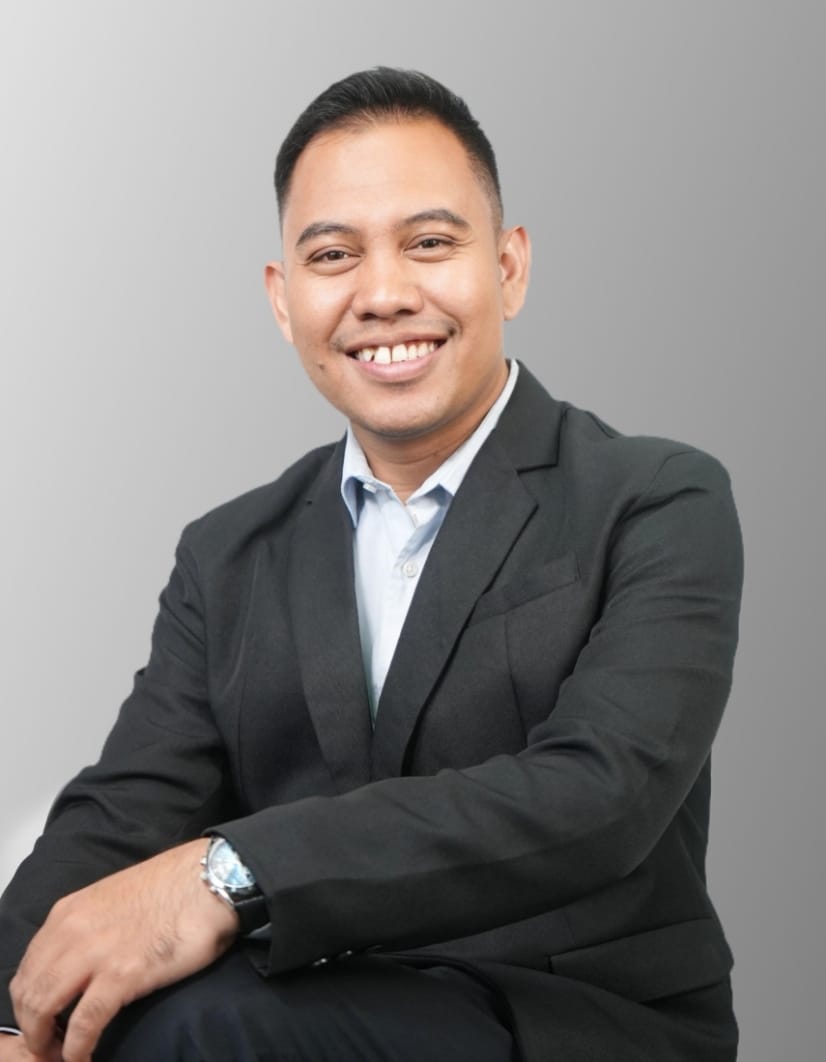
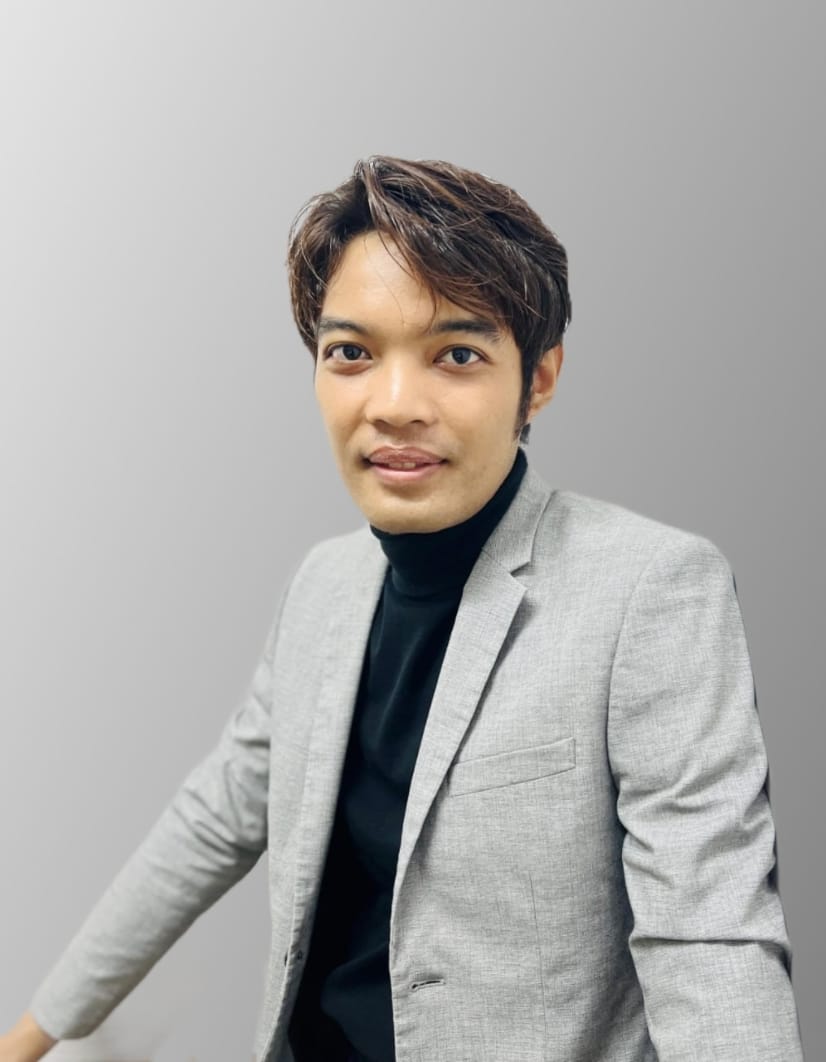
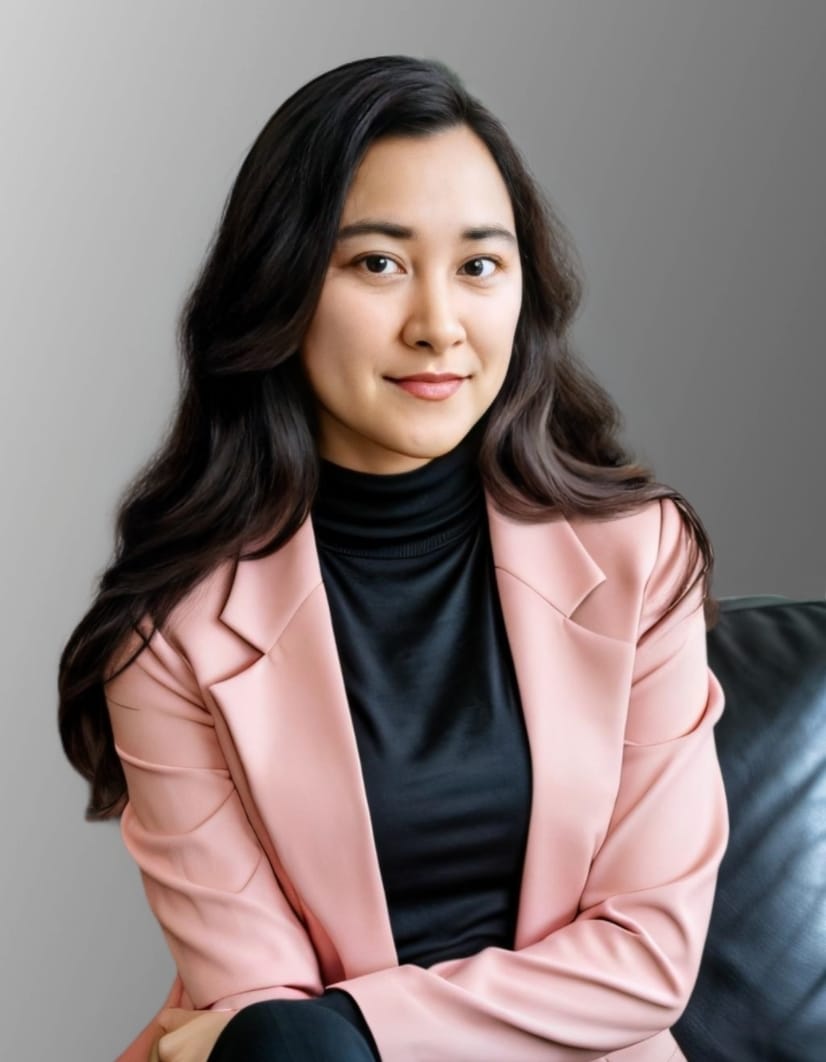
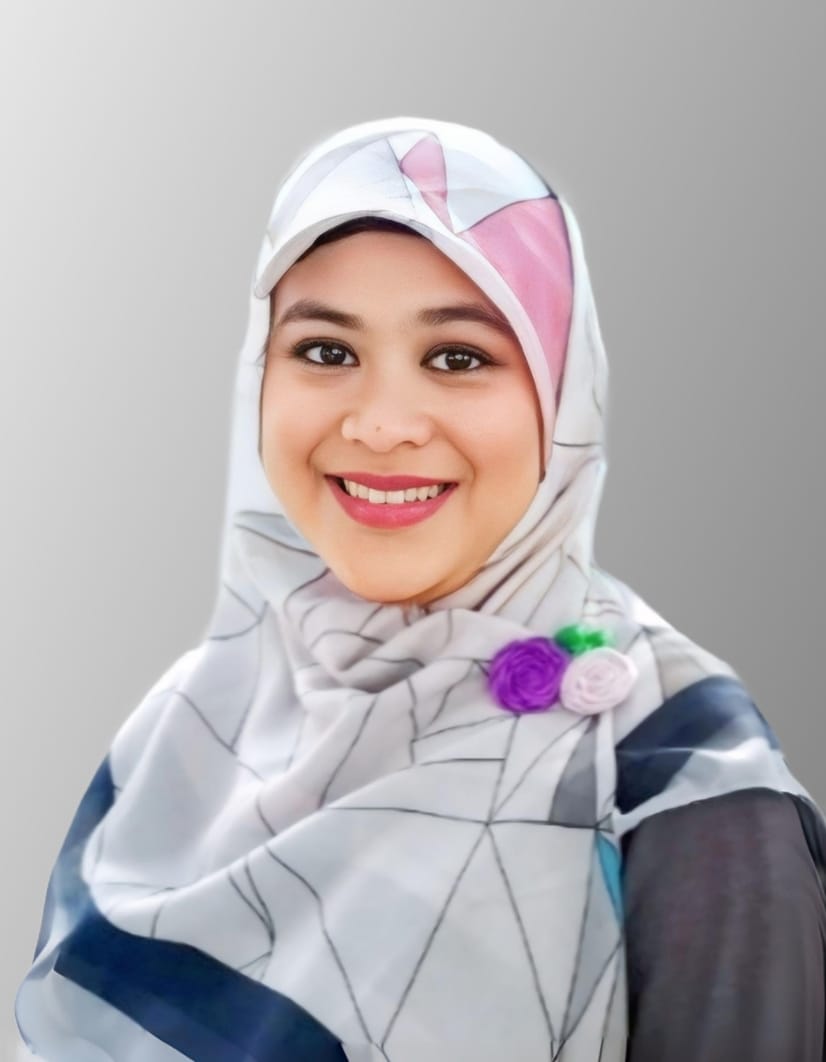
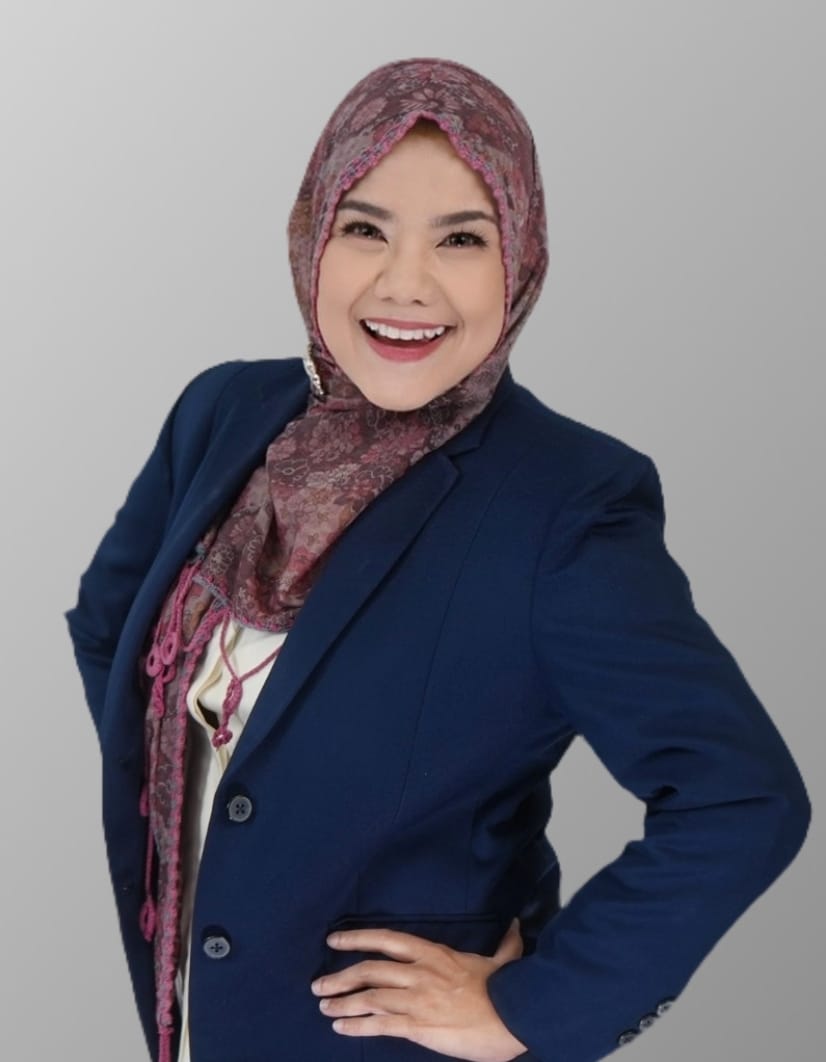
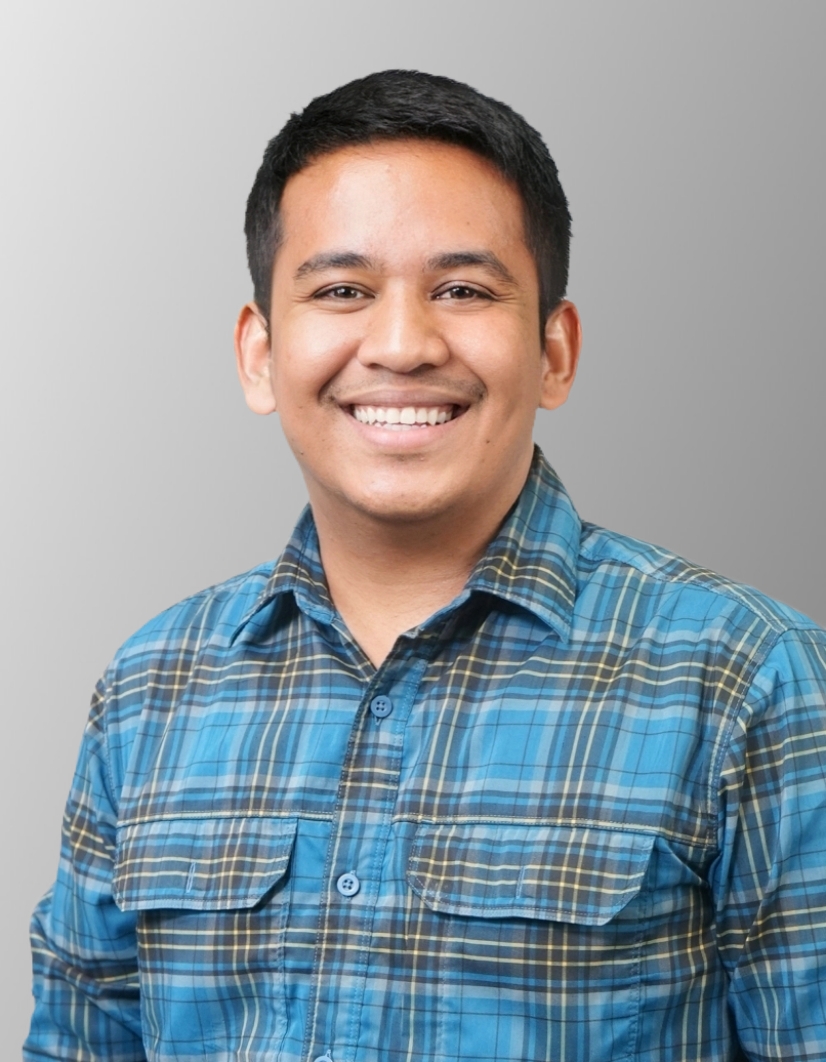
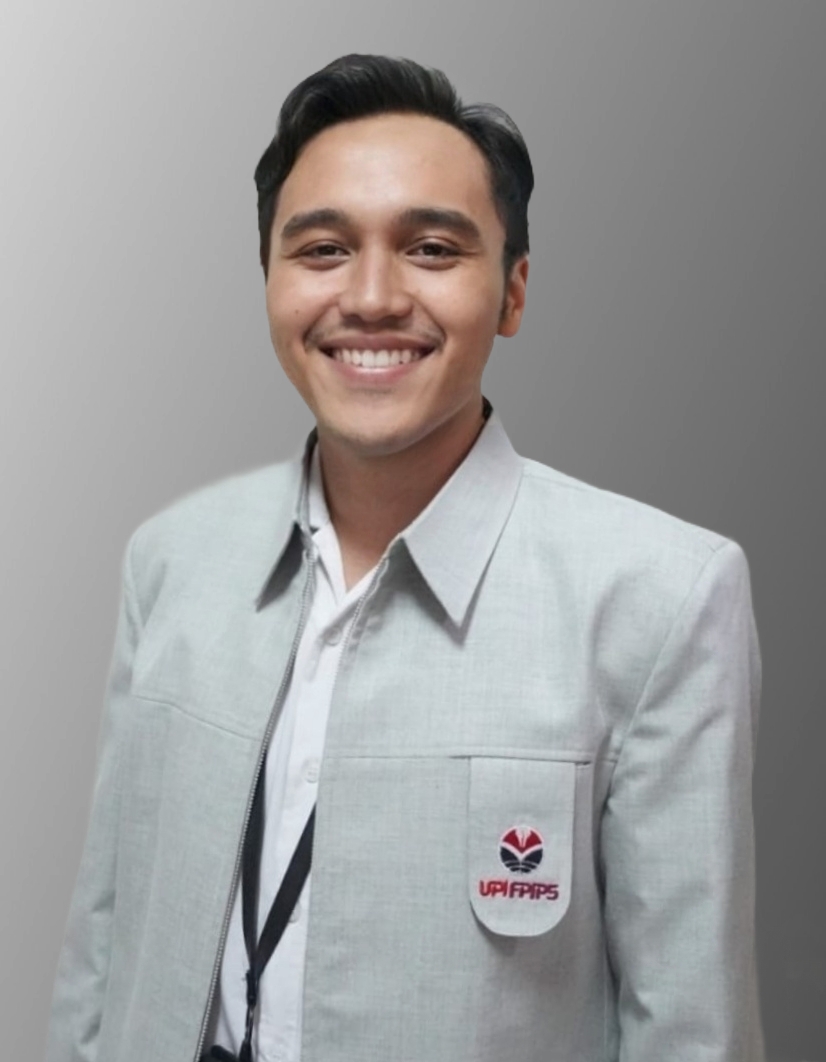
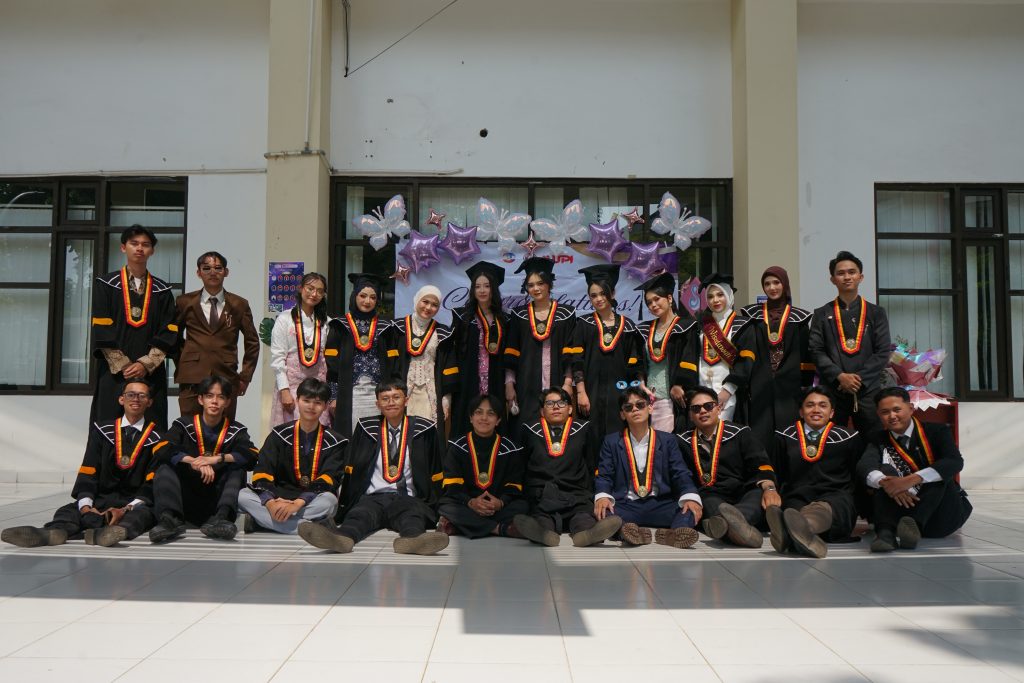
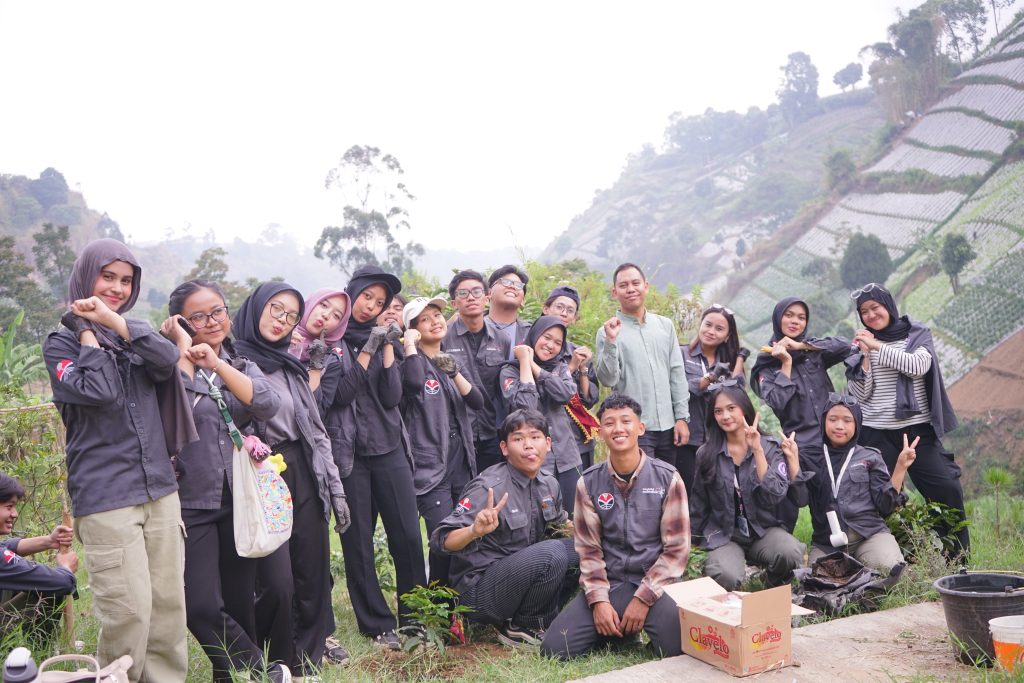

Alumni of the Tourism Marketing Management program are spread across various industries and fields of knowledge, highlighting the richness of diversity in our department and the wide range of career paths available. We connect graduates from different areas and foster a strong professional network. The success of our alumni in their careers after graduation is not limited to expertise in tourism. Many graduates of the Tourism Marketing Management program have also developed careers aligned with their interests and talents.
Herlan Setiawan, S.Par, '09
E-Commerce and Digital Strategy Manager at Kempinski Hotel Mall of the Emirates Dubai, UAE
David Oliver Pintu Batu, S.Par, '08
Senior Manager at The Reiz Suites, Artotel Medan
Novelita Damar, S.Par., M., '14
Research Assistant at University of Surrey, UK

Fakhrul Rozi,S.Par., '15
Owner PT Insan Harsa Cita Indonesia, Askara Tour & Travel, Dian's Learning Center
maria Magdalena, S.Par, '10
Business Development Manager, Satguru Travel and Tours.
Dani Ahmad Mubarok, S.Par., '11
Wida Fitria, S.Par, '19