
STUDY PROGRAM
Surveying & Geospatial Information Study Program
The SPIG Study Program is the only vocational-level study among the 13 study programs in the Faculty of Social Science Education (FPIPS). It was established in 2008 as a diploma (D-3) program and later upgraded to a bachelor's degree (D-4) program based on the Rector's Decree of UPI Number 2233/UN40/HK.02/2021. This transformation aimed to enhance graduate competencies in alignment with the needs of public and private sectors, and to increase student interest in the field.
The scientific vision of the SPIG Study Program is based on three key domains: mapping survey, regional survey, and geographic information.
1. Mapping Survey
The SPIG Study Program is committed to producing graduates, knowledge, and technology in the fields of terrestrial surveying, hydrographic surveying, aerial mapping, and remote sensing that are recognized, needed, and used as references at local, regional, national, and international levels.
2. Regional Survey
SPIG aims to produce graduates, knowledge, and technology that support planning, collection, processing, and presentation of thematic geospatial data in various fields such as forestry, agriculture, coastal management, health, land and water resources, population, and other thematic areas.
3. Geographic Information
SPIG focuses on the in-depth management of geospatial data, including database development, spatial programming, spatial statistics, spatial analysis and modeling, as well as geographic information systems (GIS) that adhere to cartographic principles.
CURRICULUM
Curriculum Evaluation and Update
The curriculum evaluation and update process of the Study Program is conducted at a minimum through two internal audits and one joint audit involving the Faculty of Social Science Education (FPIPS) and the University via the Internal Quality Audit (AMI). This process includes a comprehensive review of Graduate Competency Standards, Learning Content Standards, and Academic Design Quality Procedures.
Evaluations are also carried out on the graduate profile, course structure, and learning outcomes of each subject. The 2022 SPIG Study Program Curriculum document, which has been officially approved, incorporates feedback from various internal and external stakeholders. The curriculum is designed to align with developments in applied science and technology, as well as the evolving needs of the job market and graduate users.
One of the key outcomes of the evaluation is the strengthening of the vocational identity of the Study Program, with the following highlights:
73% of the total courses are field-practice-based
- All courses implement project-based learning and case method approaches
Emphasis on developing instincts as surveyors and geospatial specialists
Learning activities are designed to train students in understanding real-world field conditions, cases, and project targets within a team setting
Through this approach, the Study Program is committed to producing graduates who are work-ready, adaptable to geospatial challenges, and competent as professional personnel in the fields of surveying and geographic information.
Lecturers and Academic Staffs
Dr. Nanin serves as the head of the Study Program, with expertise in Geomatic Engineering. Her research focuses on urban land value estimation, land valuation models, and geospatial analysis, with several publications in these areas
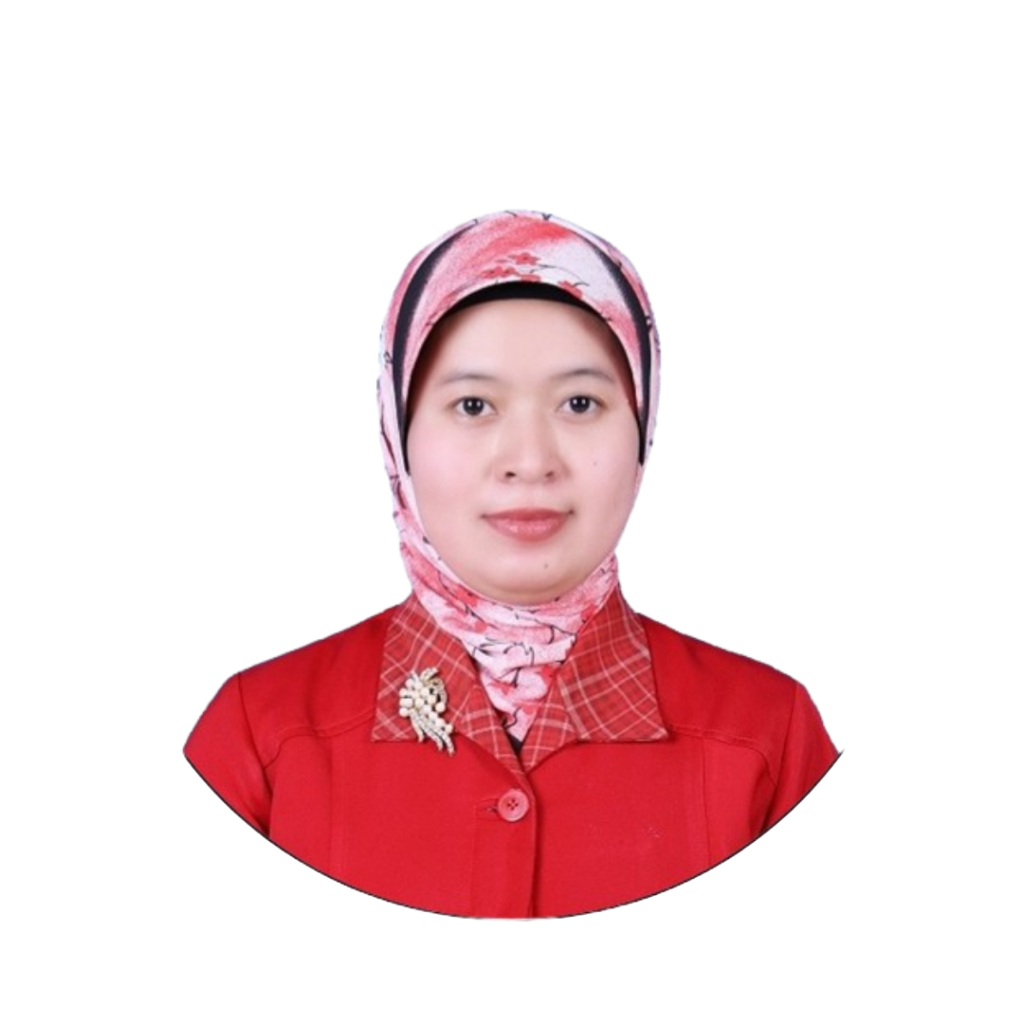
Arif Ismail specializes in Physical Geography, focusing on Environmental Geography, Meteorological Disasters, Remote Sensing, Geographic Information Systems (GIS), and Thematic Cartography. He is also active in research related to groundwater conservation and spatial mapping, as reflected in his scientific publications.
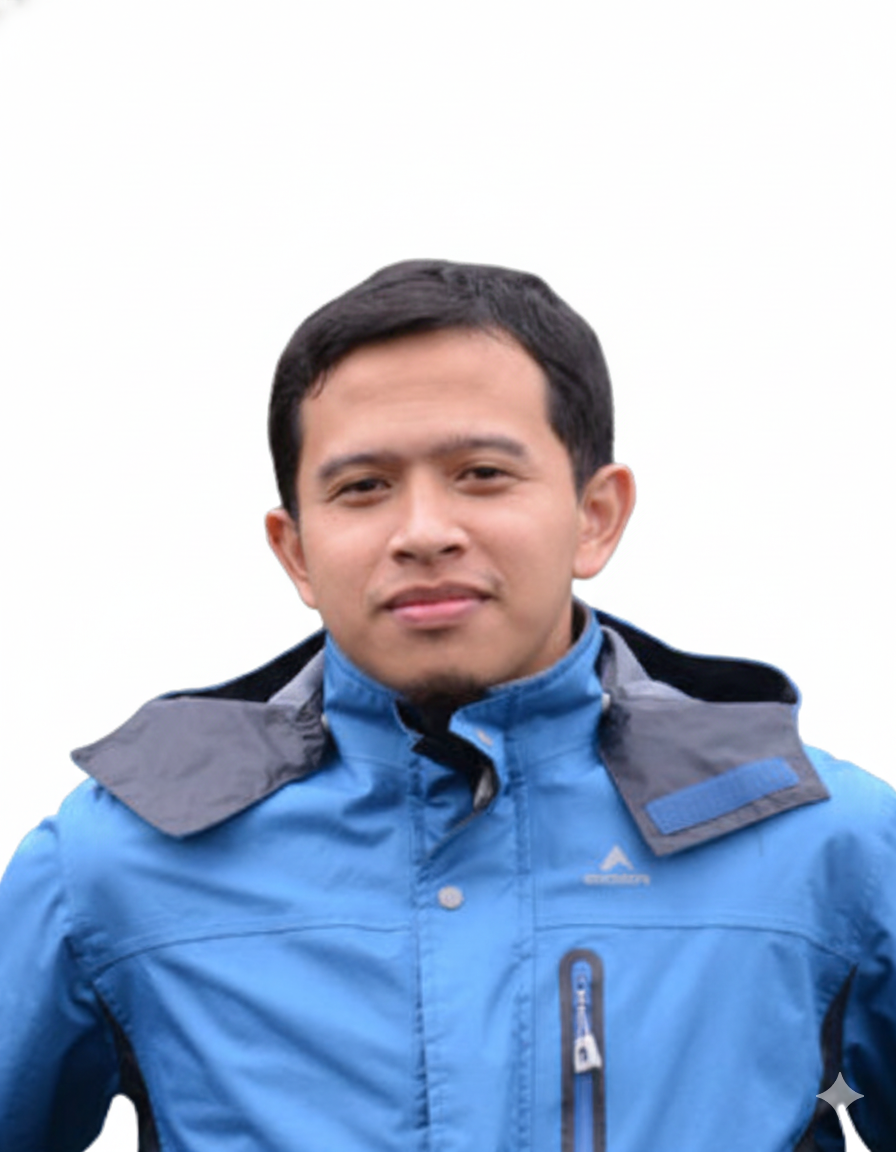
Shafira Himayah, S.Pd., M.Sc., is a lecturer at the Universitas Pendidikan Indonesia specializing in Remote Sensing and Geographic Information Systems (GIS). Her research focuses on urban environmental studies, including urban heat islands, vegetation greenness, and spatial analysis for urban planning and tourism.
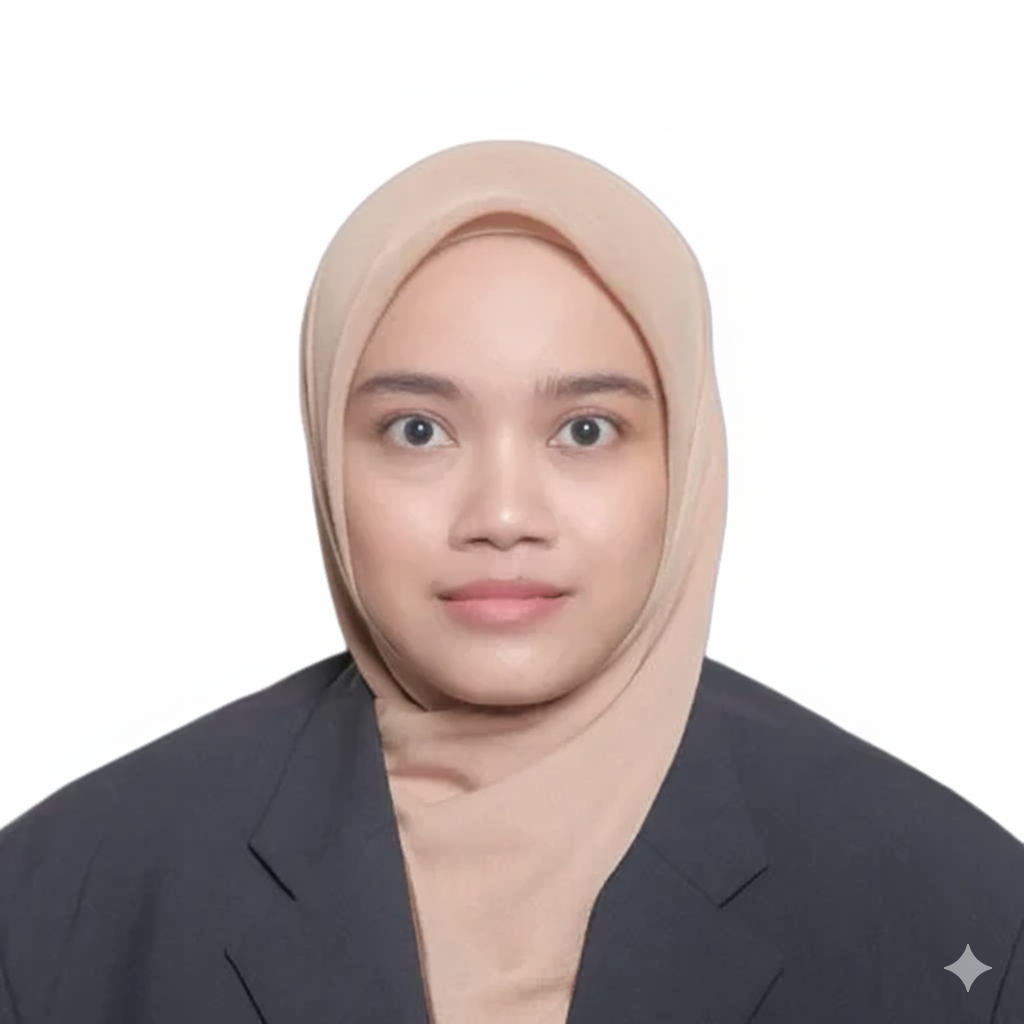
Struktur Pengelola Program Studi
Dr. Nanin Trianawati Sugito, ST., MT.
Ketua Program Studi
Anang Abdu Rohim, S.Kom.
Tenaga Administrasi
Arif Ismail, S.Si., M.Si.
Gugus Kendali Mutu
Totok Doyo Pamungkas, S.Si., M.Eng.
Bidang Akademik
Shafira Himayah, S.Pd., M.Sc.
Bidang Kemahasiswaan dan Alumni
Asri Ria Affriani, ST., M.Eng.
Bidang Penelitian, Kerjasama dan Pengabdian
Muhammad Ihsan, ST., MT.
Riki Ridwana, S.Pd., M.Sc.
GRADUATE PROFILES
Graduate Profiles
Graduates of the Surveying, Mapping, and Geospatial Information Program are well-prepared to enter a broad range of professional fields. Equipped with technical skills, field experience, and analytical capabilities, our alumni contribute to strategic projects across industries.
Geodetic and Geospatial Surveying
Work in mapping agencies and geospatial firms, specializing in precise positioning and data services.
Urban and Regional Planning
Support smart city initiatives, spatial zoning, and infrastructure planning for sustainable urban development.
Mining and Natural Resources
Engage in exploration and environmental impact monitoring using GIS and remote sensing tools.
Disaster Management
Contribute to early warning systems, hazard assessments, and spatial strategies for risk reduction.
Research and Academia
Pursue careers in education, research institutions, and development of innovative geospatial applications.
With multidisciplinary training, our alumni contribute significantly to local, national, and international projects in both public and private sectors.
PROSPECTIVE STUDENTS
Prospective Students
Are you passionate about mapping the world, understanding spatial data, and solving real-world problems using geographic information? The Surveying, Mapping, and Geospatial Information Program is the right place for you.
This program offers a comprehensive curriculum combining fieldwork, data analysis, and advanced geospatial technologies to prepare you for a wide range of careers in government, industry, and academia. Our students gain hands-on experience with cutting-edge tools such as GIS, remote sensing, photogrammetry, and GNSS.
Whether you're interested in environmental monitoring, urban planning, disaster management, or smart cities, our program equips you with the skills to make a real impact.
Join us and become a part of the next generation of geospatial professionals driving innovation and sustainability.
COURSES
| No | Kode Mata Kuliah | Mata Kuliah |
|---|---|---|
| 1 | SI131 | Pengantar Survei Pemetaan dan Informasi Geografis |
| 2 | SI130 | Pengantar Geografi dan Isu Global |
| 3 | SI133 | Bahasa Inggris |
| 4 | SI134 | Kartografi |
| 5 | SI230 | Praktik Kartografi |
| 6 | SI137 | Penginderaan Jauh |
| 7 | KU105 | Pendidikan Kewarganegaraan |
| 8 | SI135 | Pemetaan Terestris |
| 9 | SI330 | Geografi Fisik |
| 10 | SI132 | Matematika Untuk Survei Pemetaan |