Jl. Dr. Setiabudi No.276A, Kota Bandung 40143
UPI-FPIPS-Logo-blok
Screenshot 2025-06-18 171357

D4 SURVEI PEMETAAN DAN
INFORMASI GEOGRAFIS

About Us
Academic
Research & Collaboration
Facilities

Strengthening MBKM Collaboration:

SPIG UPI and Purwakarta Diskominfo Take Steps Toward Sub-District Level Geospatial Data Integration
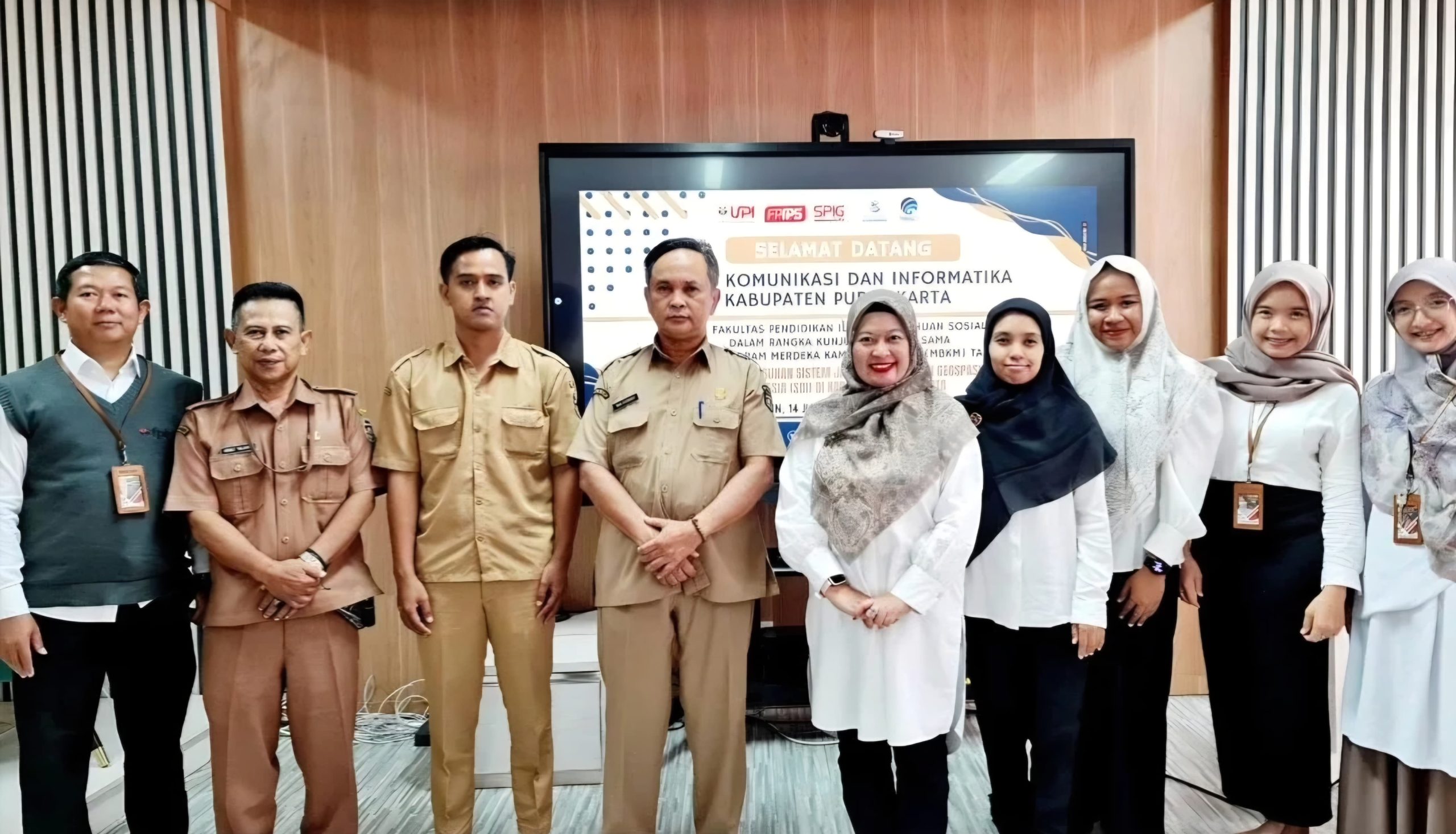
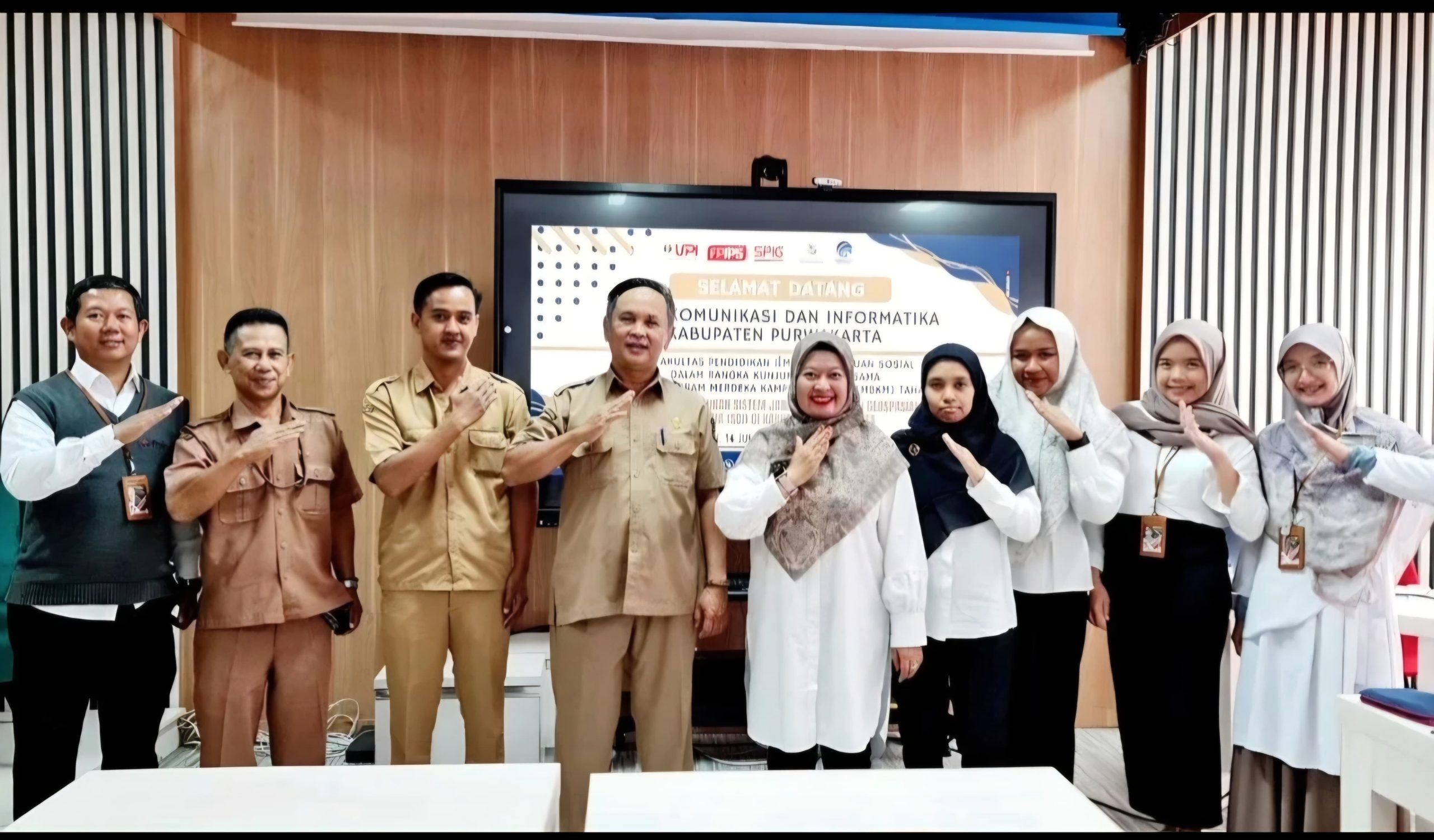
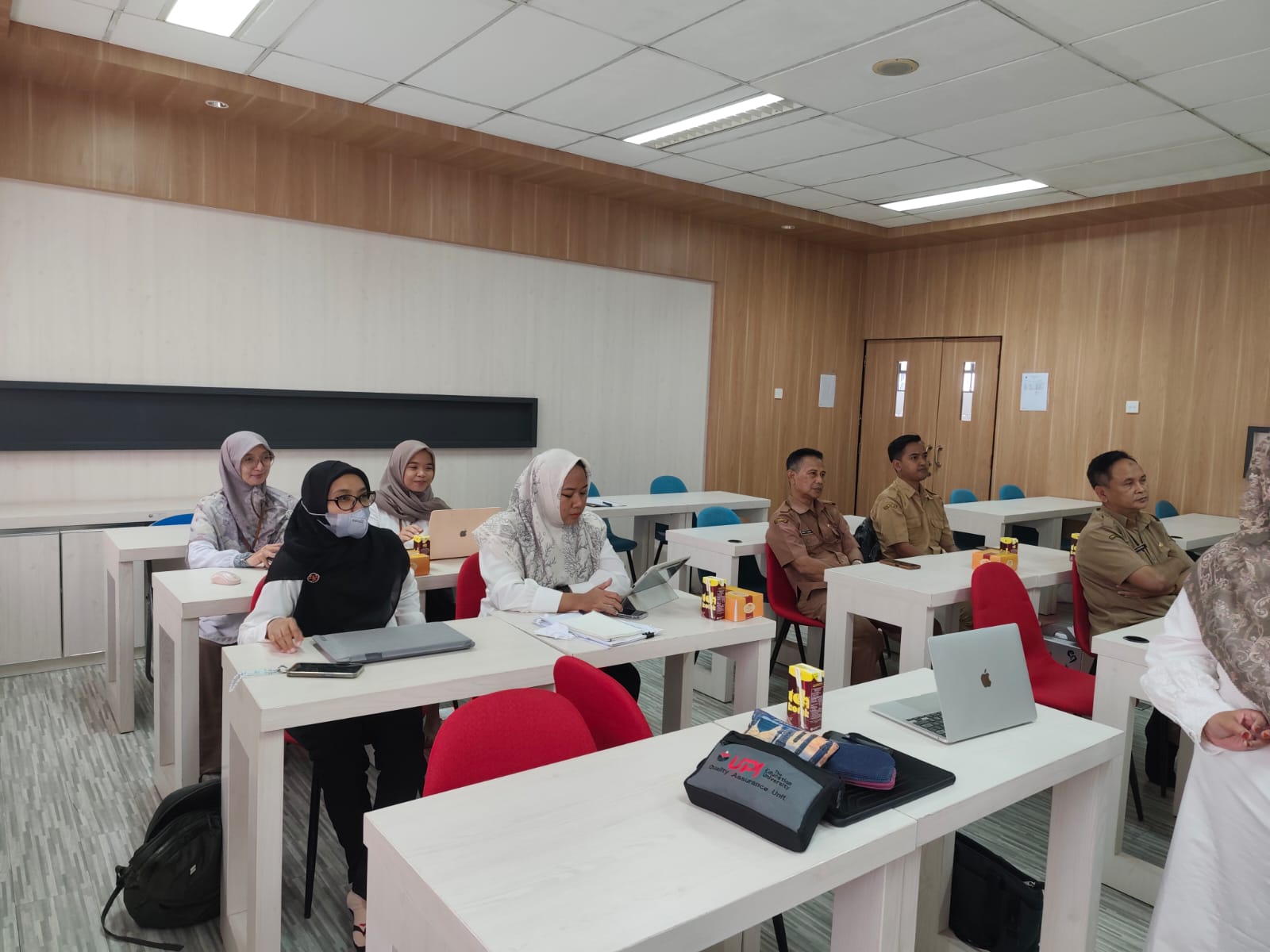
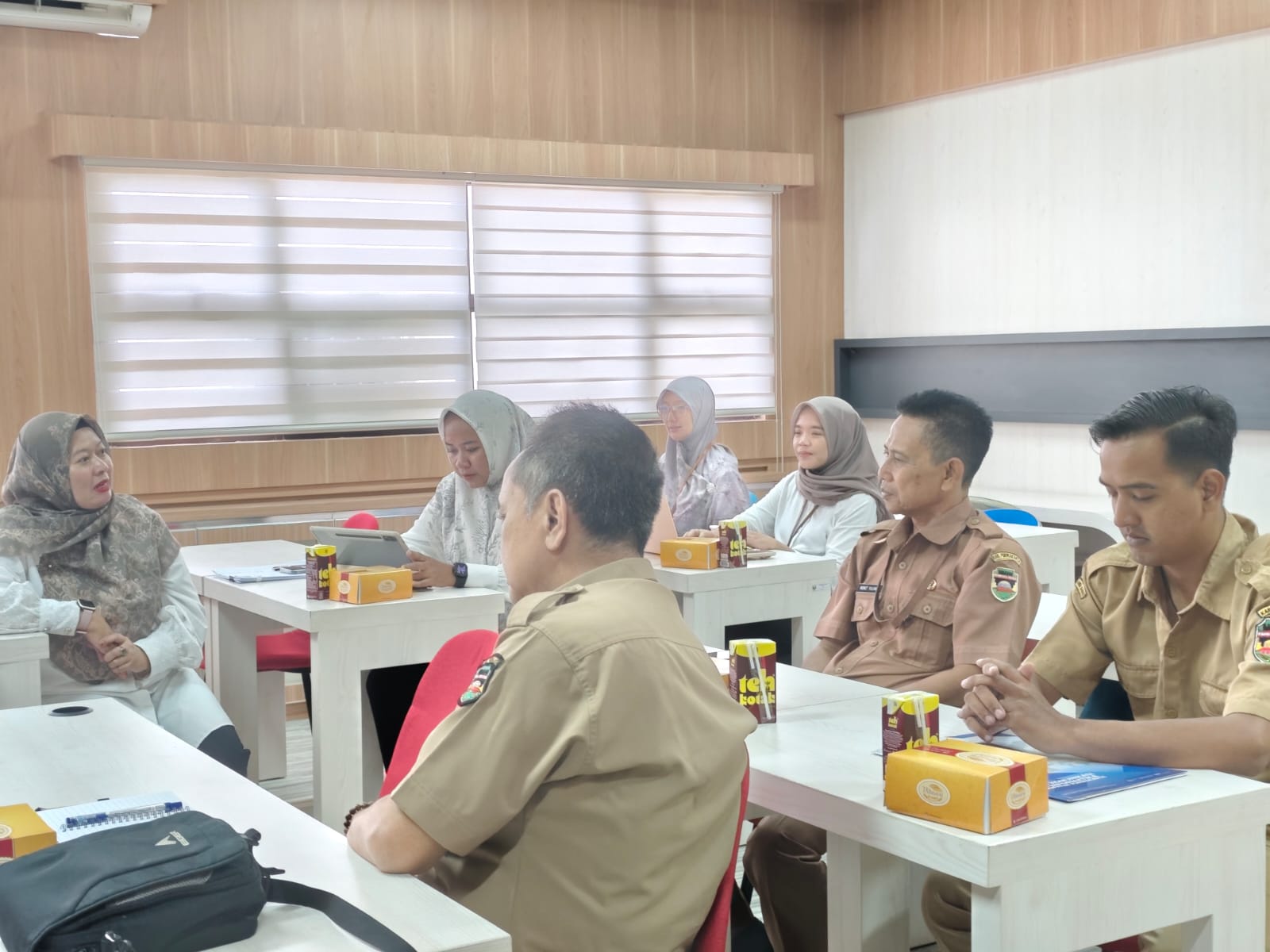
Bandun, July 14, 2025 — The Geographic Information Science Program (SPIG) at Universitas Pendidikan Indonesia (UPI) continues to strengthen its synergy with regional partners in implementing the Merdeka Belajar Kampus Merdeka (MBKM) initiative. One tangible outcome of this collaboration was a coordination and monitoring meeting between SPIG UPI and the Department of Communication and Informatics (Diskominfo) of Purwakarta Regency at the Faculty of Social Sciences Education, FPIPS.

The meeting was attended by the Head of the SPIG Program, Dr. Nanin, the MBKM SPIG task force, the Head and staff of Diskominfo Purwakarta, representatives. The main agenda included an evaluation of the even semester MBKM program for 2024/2025 and strategic planning for the upcoming odd semester of 2025/2026.

Program Studi Survei Pemetaan dan Informasi Geografis (SPIG) Universitas Pendidikan Indonesia (UPI) terus memperkuat sinergi dengan mitra daerah dalam penyelenggaraan Merdeka Belajar Kampus Merdeka (MBKM). Salah satu wujud nyata sinergi tersebut adalah pertemuan koordinasi dan monitoring yang digelar antara SPIG UPI dan Dinas Komunikasi dan Informatika (Diskominfo) Kabupaten Purwakarta pada Senin, 14 Juli 2025, bertempat di ruang rapat Diskominfo Purwakarta.

Pertemuan ini dihadiri oleh Kepala Prodi SPIG Dr. Nanin Trianawati Sugito, ST., M.T., tim penggerak MBKM SPIG, Kepala dan staf Diskominfo Purwakarta.. Agenda utama adalah evaluasi program MBKM semester genap 2024/2025 dan penyusunan strategi pelaksanaan MBKM semester ganjil 2025/2026.

Evaluation of Achievements and Partner Appreciation

Diskominfo expressed strong appreciation for SPIG students' contributions in assisting 30 Regional Government Organizations (OPDs) in producing map products, which have been distributed and will be periodically updated. Students were also granted direct access to update data on the geospatial node network and the West Java map portal.

“We consider SPIG students to be highly capable and full of innovation. We hope they will be more proactive in asking questions and generating new ideas during their placements,” said a representative from Diskominfo.

Additionally, Diskominfo opened the opportunity for SPIG alumni to return in the future as expert personnel.

Strategic Planning and Focused Placement Locations

The meeting resulted in several key strategic agreements, including:

1. Student placements will be focused at the sub-district (kecamatan) level, supported by spatial data from Diskominfo and the Department of Community and Village Empowerment (DPMD).

2. The 17 unmapped sub-districts will be prioritized for further mapping.

3. Coordination between mentors and academic supervisors will be strengthened through regular meetings after students are placed.

4. Student workloads will be adjusted according to credit conversion standards (20 credits) based on administrative units at the sub-district level.

The meeting concluded with a joint commitment to maintain open communication and strengthen the role of SPIG students in developing geospatial information systems that support regional development.

Previous
Next