

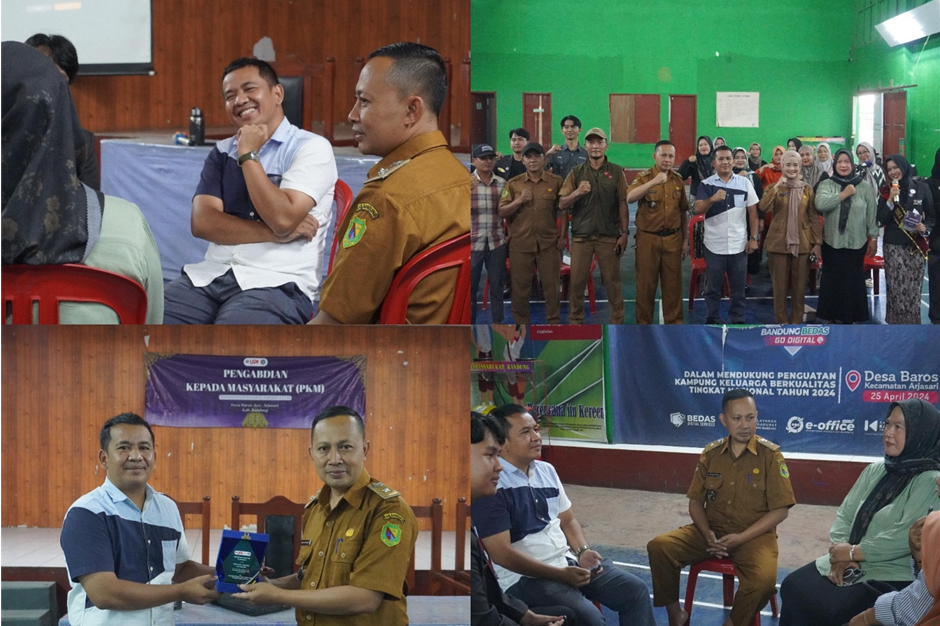
In the course of their research, Mr. Pandia and his colleagues initiated a series of interviews with the village head as well as other relevant stakeholders. The purpose of these interviews was to gather insights closely related to the objectives of their study. The first objective was to explore the extent to which members of the local community—ranging from village authorities to tourism managers—are willing to embrace the principles of regenerative tourism, particularly in the context of sufficient natural and cultural resource availability. Secondly, the researchers aimed to identify potential challenges and barriers that could emerge from the community’s perspective. This includes examining whether local residents are receptive to regenerative practices, or whether such approaches might conflict with existing traditions, values, or cultural practices. Finally, the study sought to investigate how elements of Sundanese wisdom and cultural heritage may intersect with, and even reinforce, the principles of regenerative tourism. By addressing these three objectives, the research hopes to contribute not only to academic discourse but also to the practical development of sustainable and culturally sensitive tourism practices within village settings. In the course of their research, Mr. Pandia and his colleagues initiated a series of interviews with the village head as well as other relevant stakeholders.
The purpose of these interviews was to gather insights closely related to the objectives of their study. The first objective was to explore the extent to which members of the local community—ranging from village authorities to tourism managers—are willing to embrace the principles of regenerative tourism, particularly in the context of sufficient natural and cultural resource availability. Secondly, the researchers aimed to identify potential challenges and barriers that could emerge from the community’s perspective. This includes examining whether local residents are receptive to regenerative practices, or whether such approaches might conflict with existing traditions, values, or cultural practices. Finally, the study sought to investigate how elements of Sundanese wisdom and cultural heritage may intersect with, and even reinforce, the principles of regenerative tourism. By addressing these three objectives, the research hopes to contribute not only to academic discourse but also to the practical development of sustainable and culturally sensitive tourism practices within village settings.
Author: Jessica Audrey Marseli