

As part of the implementation of the Tri Dharma of Higher Education, particularly in the field of community service, students and lecturer of the Catering Industry Management (CIM) program carried out a community service initiative in Sukatani Village, Ngamprah District, West Bandung Regency. This event took place from July 17 to 19, 2025.
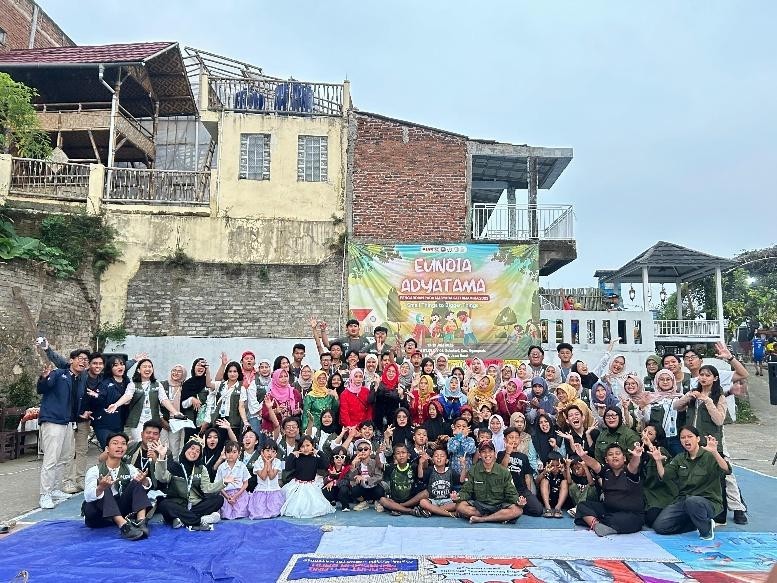
This activity represents a tangible contribution from academics who directly engage in community service. Each bureau designed activities in line with the needs of the Sukatani Village residents, ranging from children's education, MSME innovations, to strengthening social bonds.
Education Bureau: Fostering Creativity from a Young Age
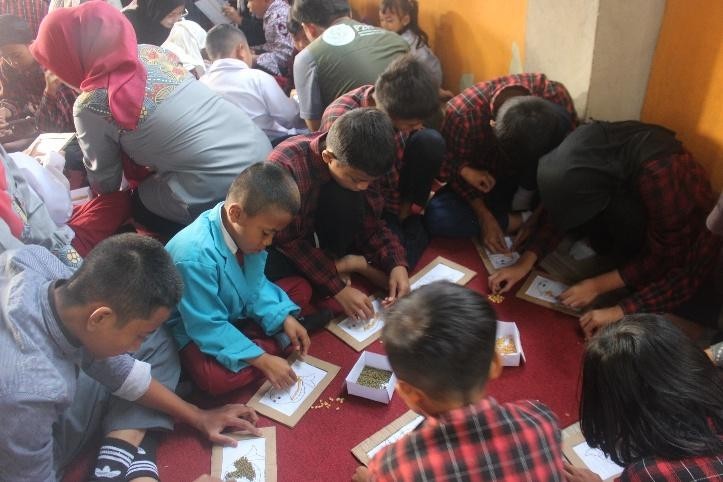
The Education Bureau focused on activities for the children of the village, offering sensory play, storytelling, and handprint banners. These activities were designed to enhance creativity while also strengthening the emotional bond between the students and the younger generation of Sukatani Village.
Innovation Bureau: Supporting MSMEs and Food Security
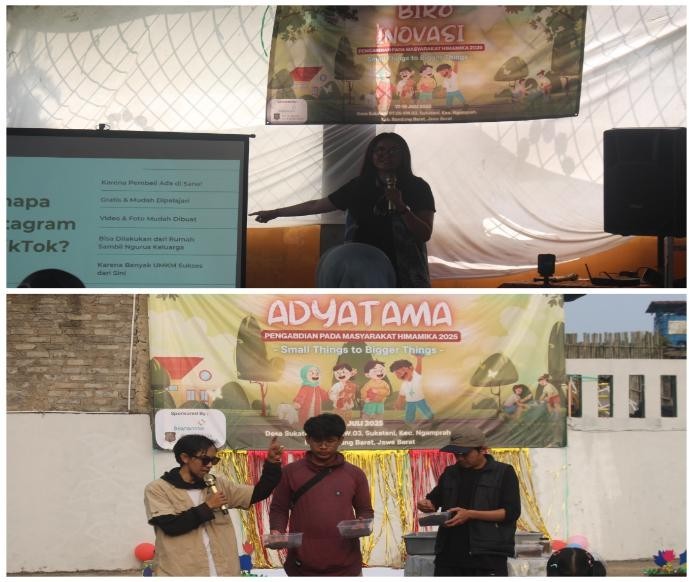
The Innovation Bureau introduced an online shop platform for marketing catfish milk produced by local residents. Additionally, students developed a sustainability guidebook for the online shop to help local MSMEs manage their businesses independently. Furthermore, the Innovation Bureau also organized a maggot farming workshop as an environmentally friendly and sustainable fish feed solution.
Community Bureau: Strengthening Social Solidarity
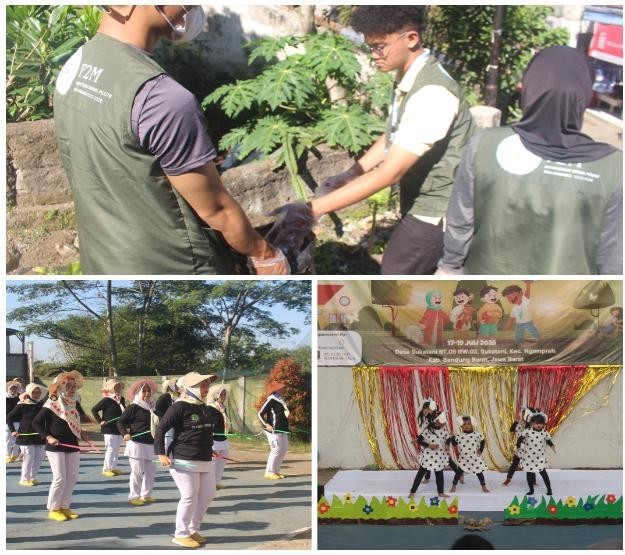
The Community Bureau organized a variety of activities involving the residents, including field painting, elderly health checks, community competitions, joint exercise sessions, art performances, and community service. The event was concluded with a communal meal, symbolizing unity.
Expectations and Commitment to Sustainability
Azril Afifi, the project leader, emphasized the importance of making this program a sustainable effort rather than a mere ceremonial event.
"The main hope is that the program doesn't stop here, but continues to have a real impact on the residents of Sukatani Village. The knowledge and skills provided, such as digital marketing strategies for local products and food waste management, are expected to be implemented to improve the community's well-being," said Azril.
He also highlighted the strategy of maintaining a relationship between the village and the study program through regular communication and ongoing collaboration.
"I am confident that the relationship between CIM UPI and the residents of Sukatani Village will continue to grow into a mutually beneficial partnership," he added.
Through the active participation of CIM students, this community service activity becomes a concrete example of the Tri Dharma of Higher Education's commitment to community service. In addition to strengthening the relationship between the university and the community, this activity reaffirms the role of students as change agents who contribute to improving the quality of life in a sustainable manner.
Author: Danish Febrianto P.